Therapist Retirement: Why Letting Go Is Different—and Difficult

David, a 68-year-old psychologist in private practice often tells colleagues he’s “thinking about retirement,” yet each year his caseload remains full. His clients rely on him deeply. His schedule gives him structure and purpose. And every time he imagines stepping away, he feels a familiar knot of guilt: Who would take care of them if I left?
Therapists occupy a unique role in healthcare. By “therapists,” we mean psychotherapists, psychologists, psychiatrists, social workers, counselors, marriage and family therapists, psychiatric nurses, and other mental health professionals.
But our career arc and our exit from it differs markedly from that of other healthcare providers.
The Emotional Weight of Therapist Retirement
In recent years, the United States has seen a mass exodus from healthcare. Hundreds of thousands of physicians, nurses, and allied professionals have retired or left the field, citing burnout, long hours, high stress, and inadequate compensation. Many were tired and ready to stop working.
But therapists, as a group, are staying put. Data consistently show that clinicians remain in practice far longer than professionals in other healthcare roles.
It’s not that therapists don’t experience burnout or fatigue. We do. But for many of us, especially those in private practice, age alone doesn’t signal that it’s time to leave. As one therapist told us, “It takes time to age into this career, and it’s equally challenging to age out.”
The nature of therapy itself makes stepping away more complicated. Therapists often see clients weekly, sometimes for years. Our work is relational, intimate, and emotionally layered. Through conversation, we become the keepers of our clients’ histories, traumas, hopes, and hard-won insights. These long-term attachments make retirement feel less like a career decision and more like a relational rupture.
Ethical Ties and Invisible Obligations
Ethical responsibility adds another layer. Therapists are bound by codes that prohibit abandonment. Retirement requires careful pacing, advance notice, thoughtful referrals, and attention to client vulnerability. Ending well can take months or years.
For therapists in leadership roles—practice owners, supervisors, program directors—the impact extends further. Staff, interns, agencies, and communities are also affected.
Retirement is never a solo event.
The Missing Roadmap for Retirement
Perhaps the greatest challenge is how little guidance therapists receive about retirement. Most clinicians are trained extensively in how to begin therapy, deepen the work, and manage clinical complexity, but rarely in how to end a career.
Without a roadmap, retirement becomes a moving target. As one therapist told us, “The closer I get to picking a retirement date, the further away it seems.” Many therapists find themselves waiting for clarity, certainty, or permission that never quite arrives.
Readiness Changes Everything
Retiring well is not about a sudden “aha” moment. It’s a developmental process that unfolds over time.
From years of research, interviews, workshops, and lived experience, we developed the Readiness for Retirement Model, which outlines four stages therapists move through as they approach retirement:
- Precontemplation: The Stay-or-Go Dilemma
- Contemplation: The Therapeutic Conversation
- Preparation: The Logistics of Letting Go
- Action: A New Beginning
These stages reflect a natural process of change. Readiness allows therapists to move forward with less guilt, greater clarity, and more emotional steadiness.
More Than Ending a Career
Retirement is not just about how to leave; it’s also about how to be afterward. Without attention to identity, meaning, and legacy, even a well-planned retirement can feel hollow.
A thoughtful retirement process honors what therapists are leaving and what they are moving toward. With time, structure, and reflection, retirement becomes not a loss of purpose, but a transition into a new chapter, one shaped with the same care therapists bring to their work.
Want to read more? See Letting Go of the Work You Love: A Workbook for Therapists to Prepare for Retirement, Close a Practice, and End a Career with Integrity by Lynn Grodzki and Margaret Wehrenberg (PESI 2025).

In Letting Go of the Work You Love, authors and therapists Lynn Grodzki and Margaret Wehrenberg offer a groundbreaking roadmap for therapists preparing to step away from their professional roles, whether by choice, necessity, or life change.

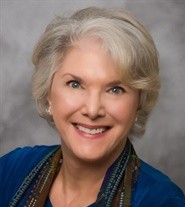
Lynn Grodzki, LCSW, MCC, is a psychotherapist in private practice, a master certified coach, and the author of Therapy with a Coaching Edge: Partnership, Action and Possibility in Every Session and Building Your Ideal Private Practice.
Speaker Disclosures:
Financial: Lynn Grodzki maintains a private practice and receives royalties as a published author. Lynn Grodzki receives a speaking honorarium and recording royalties from Psychotherapy Networker and PESI, Inc. She has no relevant financial relationships with ineligible organizations.
Non-financial: Lynn Grodzki has no relevant non-financial relationships.
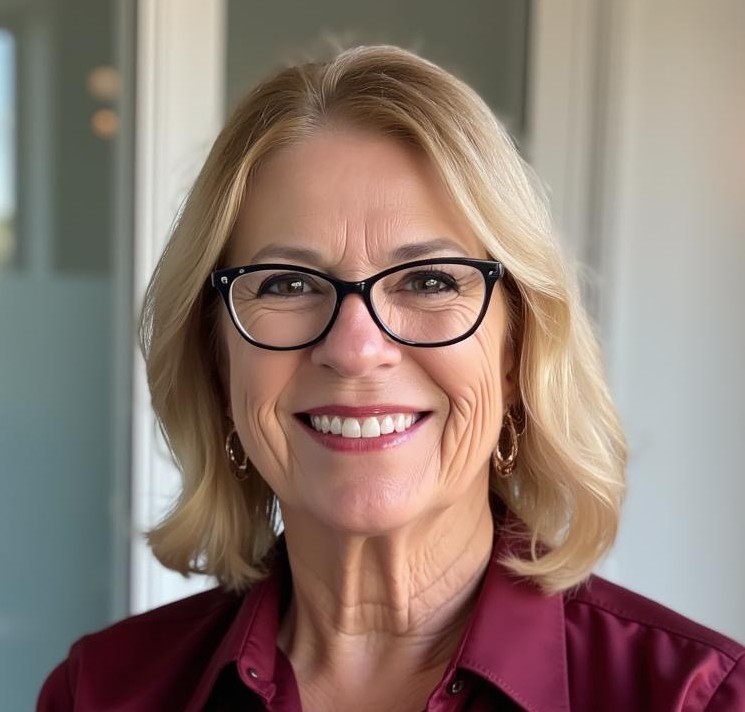
Margaret Wehrenberg, PsyD, is a licensed clinical psychologist whose five decades of work in the mental health field have had a far-reaching impact on the understanding and treatment of anxiety. Her pioneering approach has influenced psychotherapists, business leaders, educators, elected officials, and legal professionals around the world. Dr. Wehrenberg was among the first to translate the emerging science of neurobiology into practical applications for psychotherapy, demonstrating how clinicians can “use the brain to change the brain” in the treatment of anxiety and depression.
Her twelve books have been translated into eight languages. The 10 Best-Ever Anxiety Management Techniques remains an international bestseller. Her newest book, Letting Go of the Work You Love (co-authored with Lynn Grodzki), is the first comprehensive retirement roadmap for healing professionals.
Dr. Wehrenberg’s expertise has been featured in numerous media outlets. She has a deep personal commitment to giving back to the community, providing pro bono consultation to community organizations, school personnel, and attorneys focused on reducing risks related to anxiety, depression, and suicide.
Speaker Disclosures:
Financial: Dr. Margaret Wehrenberg maintains a private practice. She receives royalties as a published author. She is an international presenter and receives compensation. Dr. Wehrenberg receives a speaking honorarium, book royalties, and recording royalties from Psychotherapy Networker and PESI, Inc. She has no relevant financial relationships with ineligible organizations.
Non-financial: Dr. Margaret Wehrenberg is a member of the Anxiety Disorder Association of America.


