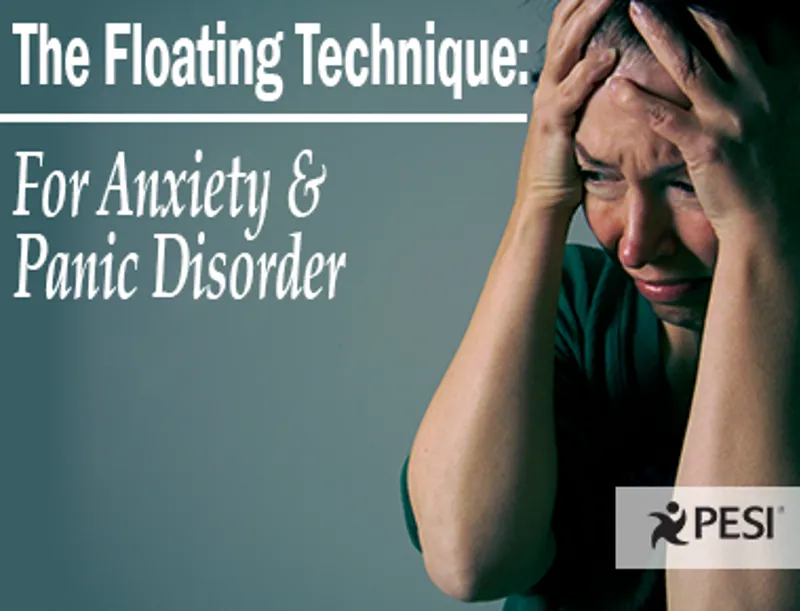
The Floating Technique: For anxiety and panic disorder
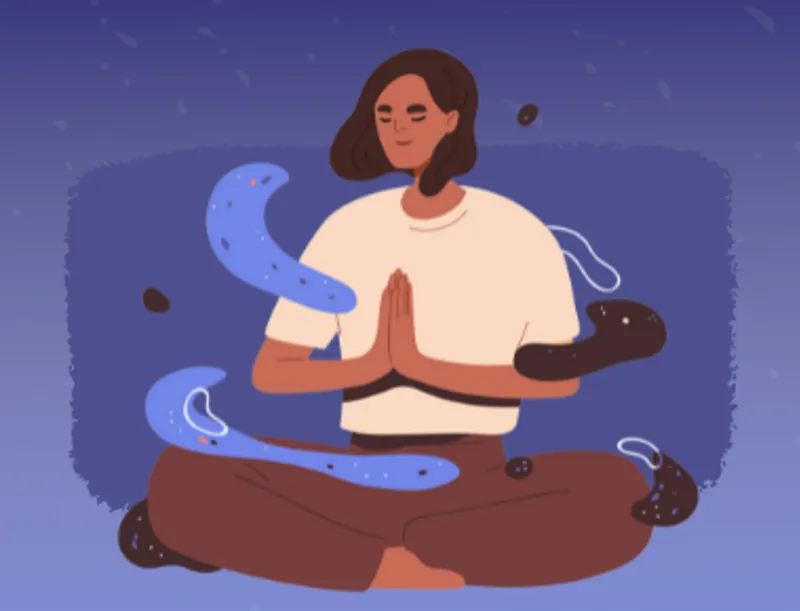
The floating technique includes four steps and can be used with both adults and children struggling with anxiety and panic disorder. Learn more in this short video with Paul Foxman, Ph.D.
What makes panic disorder uniquely challenging to treat isn't the panic attacks themselves. It's the avoidance that follows. Clients stop driving. Stop shopping alone. Stop going places where escape feels uncertain. That narrowing world is agoraphobia, and left untreated, it compounds until the panic disorder that started in one setting has colonized nearly every aspect of daily life.
Here's what your anxious clients need you to know: panic disorder is highly treatable.
With the right clinical framework, cognitive restructuring of catastrophic interpretations, interoceptive exposure to feared bodily sensations, and systematic dismantling of avoidance, clients can learn that the alarm is not the emergency. The sensations are uncomfortable but not dangerous. That they can tolerate the feeling without the ritual of escape.
PESI's panic disorder training gives you that framework. Evidence-based, neuroscience-informed, and immediately applicable—taught by the field's most respected panic and anxiety experts, including Catherine Pittman, PhD, HSPP, Kimberly Morrow, LCSW, and Elizabeth DuPont Spencer, MSW, LCSW-C.
Panic disorder treatment applies to:

PESI's blog and resource library include expert-authored content to support your panic disorder practice between trainings.
Why Panic Happens—And Why Your Interventions Work
Panic disorder is a brain and body problem. Understanding the neuroscience behind it doesn't just help you explain it to clients; it determines which interventions you reach for and why.
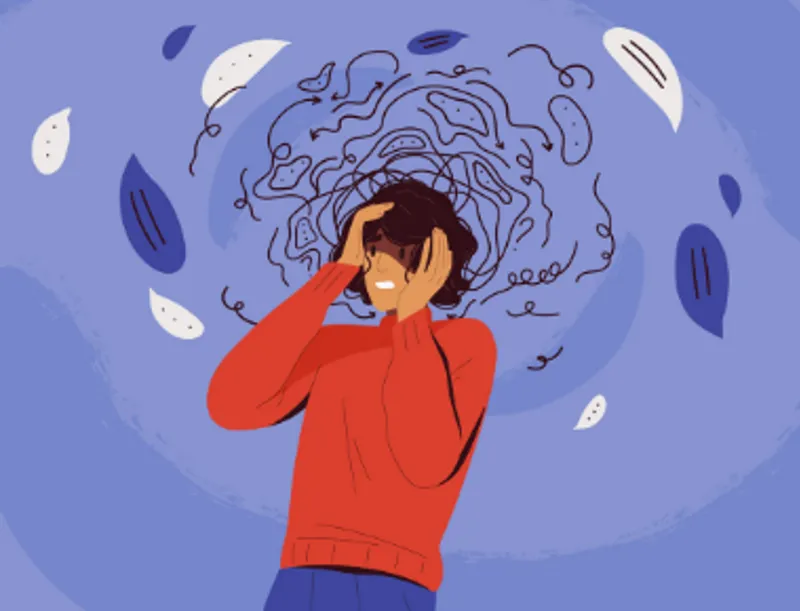
At the center of the panic response is the amygdala, the brain's threat-detection system. When a client has a panic attack, the amygdala has misfired, classifying a harmless internal sensation (a slight increase in heart rate, a brief dizziness) as a genuine emergency. The resulting alarm cascade, adrenaline, accelerated heart rate, hyperventilation, and derealization produce exactly the physical sensations the client is already afraid of, intensifying the cycle.
The key neurological concept for panic treatment is interoceptive conditioning: the brain has learned to associate neutral bodily sensations with the panic response. Even a tiny physiological change can trigger fear automatically, before the client can think their way out of it.
This is why reassurance doesn't work. It is also why the most effective treatments for panic disorder don't reduce arousal; they change the client's learned relationship with it.
Interoceptive exposure deliberately and predictably induces the feared physical sensations in session, dizziness from head rolling, breathlessness from breathing through a narrow straw, heart racing from brief exercise, so that clients learn, experientially, that the sensations themselves are not dangerous. This breaks the conditioning that drives the panic cycle.
Cognitive restructuring targets the catastrophic interpretations that amplify sensations into perceived emergencies. Clients learn to revise their anxiety narratives: from "I'm having a heart attack" to "This is discomfort—not danger."
Combined with systematic avoidance reduction and an understanding of how the amygdala and cortex each contribute to panic, clinicians have a complete, neuroscience-grounded treatment framework that produces lasting results.