Developing Body Awareness
Our therapy sessions can involve a lot of sitting, so incorporating movement can help us wake up and be aware of our body in both small and large ways. I learned the following exercise from my friends at Kinder associates, and it is a great tool to use when you need a little bit of movement to wake up the mind and body and clear the head. It can be used with all ages, both individually or in group settings.
While it may seem a bit silly, I encourage you to give it a try and have fun. Leave a comment below and tell me about your experience with the Circle Exercise.
While it may seem a bit silly, I encourage you to give it a try and have fun. Leave a comment below and tell me about your experience with the Circle Exercise.
Topics:
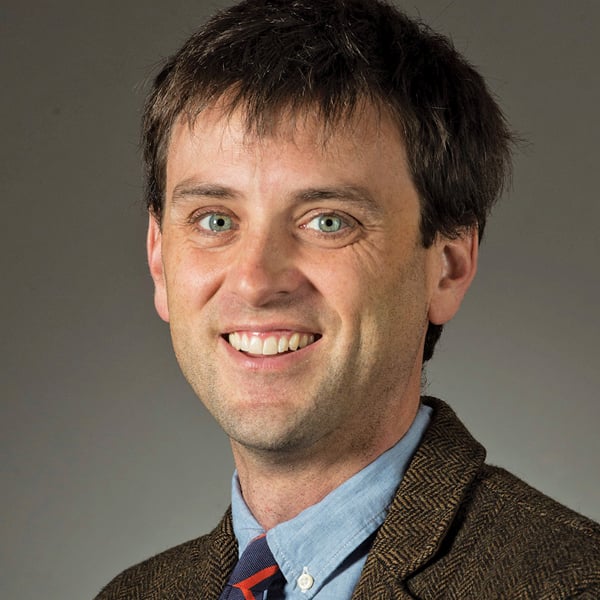
Christopher Willard PsyD
Financial: Dr. Christopher Willard maintains a private practice, receives compensation as a consultant and has employment relationships with Harvard Medical School, Cambridge Health Alliance, and the Institute for Meditation and Psychotherapy. He receives royalties as a published author. Dr. Willard receives a speaking honorarium, recording, and book royalties from Psychotherapy Networker and PESI, Inc. He has no relevant financial relationships with ineligible organizations.
Non-financial: Dr. Christopher Willard is the president and board member of the Mindfulness In Education Network. He is on the advisory boards of Mindfulness First and Peace in Schools. Dr. Willard is a member of Institute for Meditation and Psychotherapy.
Christopher Willard, PsyD, is a clinical psychologist, author and consultant based in Massachusetts. He has spoken in over 31 countries and has presented at two TEDx events. He is the author of 20 books, including Alphabreaths (2019), Growing Up Mindful (2016). and Feelings are Like Farts (2024). His thoughts on mental health have been featured in The New York Times, The Washington Post, mindful.org, cnn.com, and elsewhere. He teaches at Harvard Medical School.
Financial: Dr. Christopher Willard maintains a private practice, receives compensation as a consultant and has employment relationships with Harvard Medical School, Cambridge Health Alliance, and the Institute for Meditation and Psychotherapy. He receives royalties as a published author. Dr. Willard receives a speaking honorarium, recording, and book royalties from Psychotherapy Networker and PESI, Inc. He has no relevant financial relationships with ineligible organizations.
Non-financial: Dr. Christopher Willard is the president and board member of the Mindfulness In Education Network. He is on the advisory boards of Mindfulness First and Peace in Schools. Dr. Willard is a member of Institute for Meditation and Psychotherapy.
You May Also Be Interested In These Related Blog Posts


