
Clinical Yoga, Mindfulness & EFT for Anxiety and Trauma
An Experiential Mind-Body Immersion Retreat
- Speaker:
- Mary NurrieStearns, MSW, LCSW, ACEP–EFT, C–C–IAYT, E–RYT 500
- Duration:
- Approx. 13 Hours
- Copyright:
-
Jul 16, 2026
- Product Code:
- POS150621
- Media Type:
- Digital Seminar

Description
Your anxious client freezes mid-session. Your trauma survivor says "I don't know what I feel." Your depressed client ruminates despite every cognitive intervention you've tried.
Talk therapy isn't always enough when anxiety and trauma live in the body, not just the mind.
This intensive experiential retreat teaches you clinical EFT tapping, trauma-informed breathwork, and body-based interventions that work when words fail—then certifies you as a Mindfulness-Informed Professional (CMIP) so you can integrate these approaches with confidence and credibility.
You'll practice everything in your own body first. Tap away anxiety. Breathe into calm. Move through yoga poses that regulate the nervous system. Because you can't guide clients through what you haven't experienced yourself.
These aren't just new techniques for your toolbox. These are interventions that change how you practice:
- Your anxious clients stop white-knuckling through panic and start using EFT tapping to calm their nervous systems in real-time—at work, before court, in the grocery store, and during session.
- Your dissociated clients reconnect to their bodies through trauma-informed practices that rebuild interoceptive awareness without triggering overwhelm.
- Your shame-bound clients interrupt self-criticism at the nervous system level with breath, EFT and compassion-focused interventions that cognitive reframes can't reach.
And you? You'll leave resourced, not depleted. With the embodied practices that prevent burnout and the professional credential (CMIP) that validates your expertise to colleagues, supervisors, and referral sources. This is the training where you finally learn to work with the body—and leave with both the skills and the credential to do it well.
Credit
Speaker
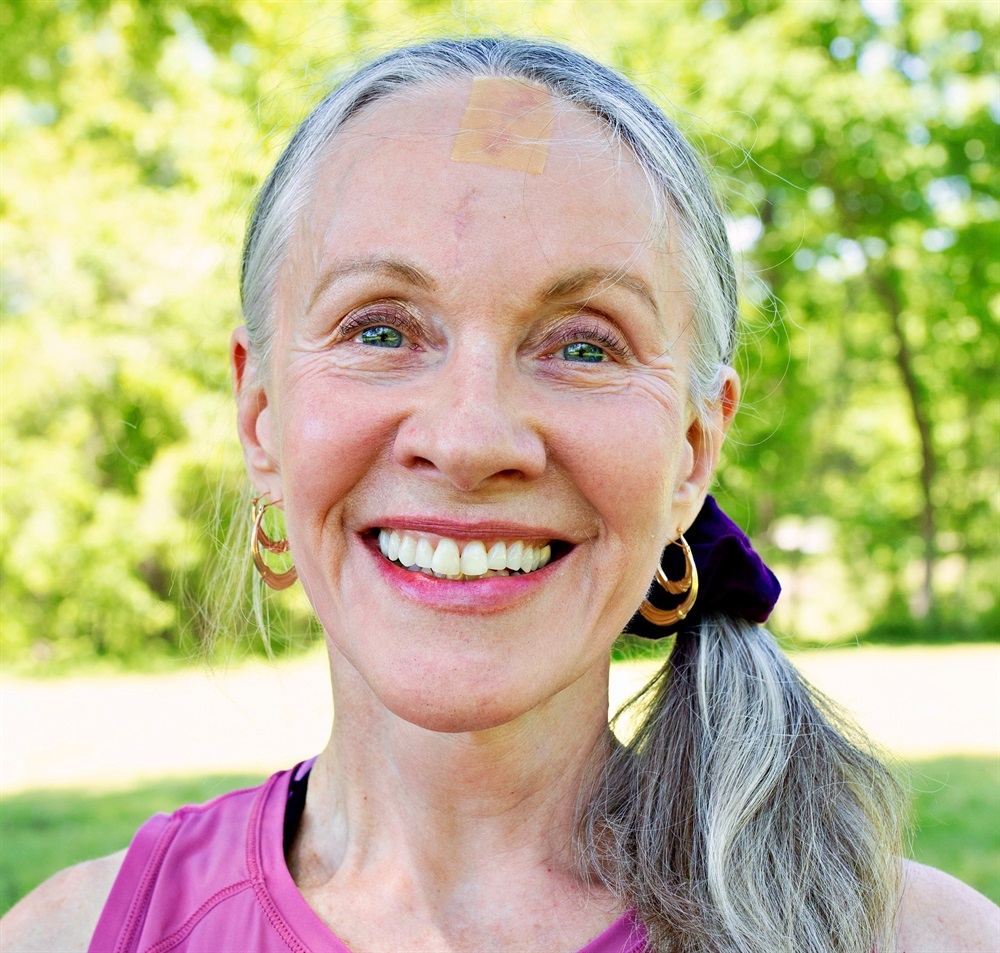
Mary NurrieStearns, MSW, LCSW, ACEP–EFT, C–C–IAYT, E–RYT 500 Related seminars and products
Mary NurrieStearns, MSW, LCSW, ACEP–EFT, C–C–IAYT, E–RYT 500, teaches seminars and retreats to teach clinicians how to take mindfulness skills, brain based protocols for treating shame and office-based yoga back to their clients. These evidence based clinical interventions move therapy forward by improving emotional regulation, restoring healthy nervous system functioning and cultivating healthier thought patterns. Both mindfulness and yoga practices have brought healing and calm to Mary’s clients and students.
Mary provides participants with the latest research results and pulls together the work of experts in the mental health field who are proponents of both practices (i.e. Bessel van der Kolk, Jon Kabat-Zinn). She draws on 37 years as a mental health professional counselor and 27 years of meditation and yoga practice. She is a certified yoga therapist, seasoned yoga teacher and ordained member of Thich Naht Hahn’s Order of Interbeing. Mary is the author of Healing Anxiety, Depression and Unworthiness: 78 Brain-Changing Mindfulness & Yoga Practices (PESI, 2018), Yoga for Anxiety with Rick NurrieStearns (New Harbinger, 2010), Yoga for Emotional Trauma with Rick NurrieStearns (New Harbinger, 2013), Yoga Mind – Peaceful Mind with Rick NurrieStearns (New Harbinger, 2015), and Daily Meditations for Healing and Happiness: 52 Card Deck (PESI, 2016). Mary is the co-editor of Soulful Living (Hci, 1999) and former editor of Personal Transformation magazine. She has produced DVDs on yoga for emotional trauma and depression. Mary teaches across the United States.
Speaker Disclosures:
Financial: Mary NurrieStearns maintains a private practice. She receives compensation as a speaker, yoga teacher, and published author. Ms. NurrieStearns receives a speaking honorarium, book royalties, and recording royalties from PESI, Inc. She has no relevant financial relationships with ineligible organizations.
Non-financial: Mary NurrieStearns has no relevant non-financial relationships.
Additional Info
Access for Self-Study (Non-Interactive)Access never expires for this product.
Questions?
Visit our FAQ page at www.pesi.com/faq or contact us at www.pesi.com/info
Additional CE Info
For a more detailed outline that includes times or durations of time, if needed, please contact cepesi@pesi.com.
Objectives
- Analyze the relationship between negativity bias in the brain and depression
- Identify how emotional motivation systems of the brain impact emotional distress
- Determine how mindful compassion protocols activate the affiliation system of the brain
- Utilize concentration, distancing, naming and thought substitution address depression producing thoughts
- Determine the benefits of including the body in emotional regulation strategies for anxiety treatment
- Utilize EFT techniques, including tapping points and set -up statements, for affect regulation
- Determine four components of EFT used for regulating affect in anxiety
- Utilize mindfulness interventions to dis-identify from a narrative of unworthiness
- Identify three compassion practices to increase self-acceptance
- Utilize compassionate interventions for treating unworthiness and critical parts of self
- Use a mindful communications process for connection and conflict resolution
- Utilize mindfulness and EFT interventions for psychological impacts of pain
- Apply mindfulness practices and meditation with clients in clinical settings
- Apply trauma-informed body scan techniques to help dissociated clients reconnect with interoceptive awareness and emotional experience.
Outline
When Talk Therapy Isn't Enough: The Neuroscience of Stuck
Your clients may understand their triggers but still freeze. Learn why talk therapy alone can't unlock a dysregulated nervous system—and what actually restores calm.
- Discover the neuroscience of trauma and anxiety living in the body—ground yourself in the research base to integrate these approaches confidently
- Identify which clients benefit most from body-based interventions and when cognitive approaches need somatic support
- Practice yoga poses that calm the threat system and active social engagement in real time
- Experience the difference between hyperarousal and groundedness in your own body through movement
- Explain how negativity bias keeps clients trapped in anxious & depressive thought patterns – and what to do about it
- Explain how default network perpetuates rumination – and how to interrupt it
- Identify the three emotional motivation systems (affiliation, threat, drive), their role in perpetuating distress and how to utilize them for healing
Use it with: Clients with panic disorder, freeze responses, or chronic rumination
Breathwork and Body-Mind Practices: Matching Technique to Nervous System State
- Three breathing techniques you can teach in session—clients use them independently between appointments
- Crucial differences between hyperarousal vs. hypoarousal techniques and when breathwork can backfire
- When to use sensory focus and body focus to restore window of tolerance
- Practice breath focus paired with yoga poses/postures – experience how position enhances regulation
- Practice simple titrated yoga movements to restore window of tolerance
Use it with: Anxiety, panic attacks, hyperarousal, or shutdown/hypoarousal
Clinical EFT Tapping: The Protocol Anxious Clients Actually Use Between Sessions
Teach your client to tap away panic in a parking lot before their presentation. This isn't theory—it's the full protocol from an ACEP-certified practitioner, practiced until you're confident to use it Monday morning.
- Learn the complete tapping sequence, setup statements, and bilateral technique in one intensive session
- Practice on yourself with gentle emotional releases—feel why clients find this tolerable when exposure feels impossible
- Setup statements that transform "I'm too upset" into “even though I am upset I am learning to accept myself.”
- Five key components that make EFT effective for affect regulation
- Learn why this works: bilateral stimulation, acupoints, and safe exposure to difficult emotions
- Walk away with the protocol reference card you'll keep at your desk for quick consultation
Use it with: Phobias, anticipatory anxiety, trauma-related distress, or avoidance patterns
Interrupting Shame at the Nervous System Level
Cognitive reframes don't touch shame. It lives in the body—the tightness in your client's chest, the collapse in their shoulders. Your brilliant insights about their worth won't land until you address the nervous system activation keeping them trapped.
- Learn why shame lives in the body and cognitive reframes miss the mark
- Master two distinct compassion practices to decrease self-rejection and increase self-acceptance
- Heart-opening movements that release shame stored in your chest and shoulders
- Walk away with a METTA intervention for protective, critical parts of your clients
- Learn to befriend the inner critic instead of fighting it
Use it with: Shame, self-criticism, perfectionism, or relapse cycles
Mindful Communication for Connection and Conflict
Your couples client says "we tried that communication technique—it doesn't work." Because standard scripts don't address nervous system reactivity. This mindfulness-based protocol overrides the brain's negativity bias and lowers interpersonal reactivity in real-time.
- Mindfulness communication protocol adapted from Thich Nhat Hanh for Western clinical settings
- Realistic and supportive self-talk that increases self-acceptance and transfers into healing communication in relationships
- Understand the difference between conscious mind and store consciousness (awareness versus automatic patterns)
- Practice the protocol in real conversations—experience how it shifts defensive reactivity
- Use tapping to calm your own nervous system during challenging sessions
Use it with: Couples conflict, family tension, or relationship-triggered dysregulation
Putting It All Together: Integration, Ethics, and Your Sustainable Practice
You've learned powerful techniques. Now learn when NOT to use them—and how to implement them ethically, document them properly, and sustain your practice without burning out.
- Limitations, risks, scope of practice: when breathwork triggers panic, when body awareness overwhelms, when tapping isn't appropriate
- Integrate mind-body approaches with your existing modalities while practicing cultural humility
- Create a personal self-care sequence—because you can't regulate clients if you're dysregulated
Target Audience
- Counselors
- Social Workers
- Psychotherapists
- Marriage and Family Therapists
- Behavioral Health Nurses
- Addiction Counselors
- Mental Health Professionals


Reviews
Satisfaction Guarantee
Your satisfaction is our goal and our guarantee. Concerns should be addressed to: PO Box 1000, Eau Claire, WI 54702-1000 or call 1-800-844-8260.
ADA Needs
We would be happy to accommodate your ADA needs; please call our Customer Service Department for more information at 1-800-844-8260.
PESI Mobile App
Access CE trainings on your phone or tablet through our free mobile app. Choose video or audio-only versions of online courses from the world’s best instructors, and complete your CE requirements anywhere, anytime, at your own pace.




Please wait ...