- Analyze the relationship between negativity bias in the brain and depression
- Identify how emotional motivation systems of the brain impact emotional distress
- Determine how mindful compassion protocols activate the affiliation system of the brain
- Utilize concentration, distancing, naming and thought substitution address depression producing thoughts
- Determine the benefits of including the body in emotional regulation strategies for anxiety treatment
- Utilize EFT techniques, including tapping points and set -up statements, for affect regulation
- Determine four components of EFT used for regulating affect in anxiety
- Utilize mindfulness interventions to dis-identify from a narrative of unworthiness
- Identify three compassion practices to increase self-acceptance
- Utilize compassionate interventions for treating unworthiness and critical parts of self
- Use a mindful communications process for connection and conflict resolution
- Utilize mindfulness and EFT interventions for psychological impacts of pain
- Apply mindfulness practices and meditation with clients in clinical settings
- Apply trauma-informed body scan techniques to help dissociated clients reconnect with interoceptive awareness and emotional experience.
CA 2.5 Day Clinical Yoga, Mindfulness & EFT for Anxiety and Trauma: An Experiential Mind-Body Immersion Retreat
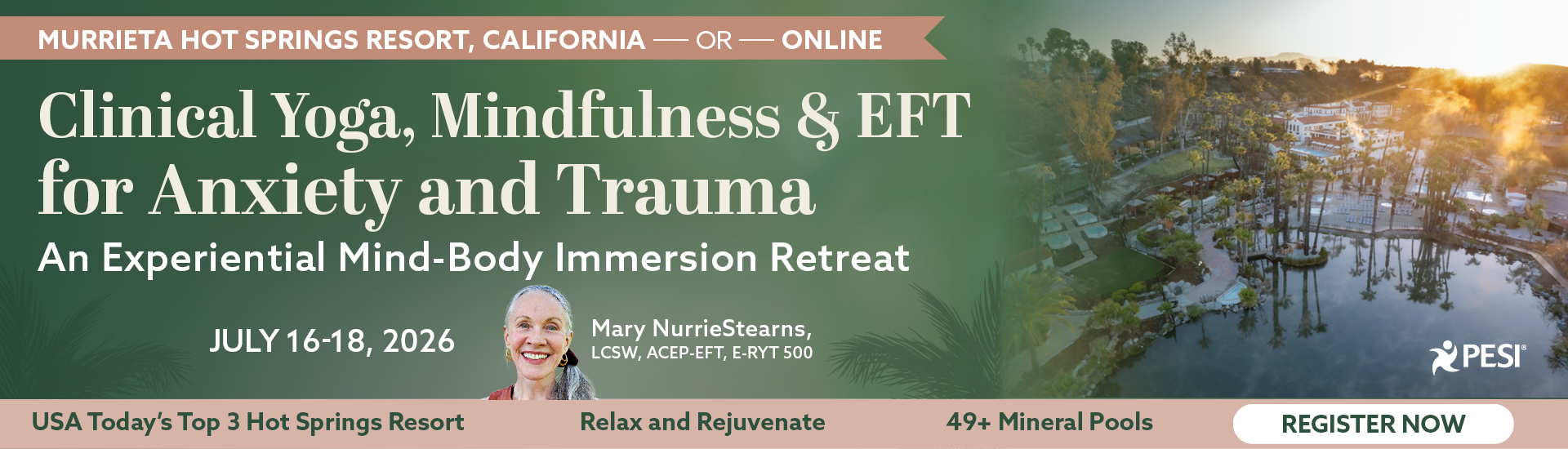
A 2.5-day intensive training where you'll master body-based interventions and restore at California's award-winning Murrieta Hot Springs Resort. PLUS, earn 13.5 CE Hours!
Your anxious client freezes mid-session. Your trauma survivor says "I don't know what I feel." Your depressed client ruminates despite every cognitive intervention you've tried.
Talk therapy isn't always enough when anxiety and trauma live in the body, not just the mind.
This intensive 2.5-day experiential retreat teaches you clinical yoga, EFT tapping, trauma-informed breathwork, and body-based interventions that work when words fail—then certifies you as a Mindfulness-Informed Professional* (CMIP) so you can integrate these approaches with confidence and credibility.
You'll practice everything in your own body first. Tap away anxiety. Breathe into calm. Move through yoga poses that regulate the nervous system. Because you can't guide clients through what you haven't experienced yourself.
These aren't just new techniques for your toolbox. These are interventions that change how you practice:
- Anxious clients finally have tools that work in the moment—tapping through panic instead of white-knuckling through it.
- Disconnected clients reconnect to their bodies without retriggering—building awareness that feels safe, not scary.
- Clients carrying shame access self-compassion somatically—because cognitive reframes only go so far.
And you? You'll leave resourced, not depleted. With the embodied practices that prevent burnout and the professional credential (CMIP) that validates your expertise to colleagues, supervisors, and referral sources.
Led by Mary NurrieStearns, 40-year clinical veteran, who's been training mental health professionals since 2006. This is the training where you finally learn to work with the body—and leave with both the skills and the credential to do it well.
Reserve your spot now. Space is limited, and this experiential retreat sells out fast.
Master the interventions. Earn the credential. Claim your spot.
July 16-18, 2026
Join Us Live In-Person
Murrieta Hot Springs Resort in Murrieta, CA
Limited seats available – Secure yours now
Limited seats available – Secure yours now
- ★ Two and a half days LIVE training
- ★ Breakfast and Lunch Included!
- ★ Up to 13.5 CE Hours
- ★ CMIP Certification
- ★ Hands on learning and personalized interactions
- ★ Network with your peers from across the country
- ★ Archive recording available for 90 days
$899.99
Can't Attend In-Person?
Join Us Live Online
- ★ Two and a half days LIVE ONLINE training
- ★ Join us from the comfort of your home
- ★ Up to 13.5 CE Hours
- ★ LIVE online Q&A
- ★ Virtual networking with colleagues across the country
- ★ Archive Recording Available for 90 days
$499.99
Retreat Schedule
All times are U.S. Pacific Time (PT)
Wednesday, July 15, 2026
4:00 pm
Check into Murrieta Hot Springs Resort if staying on site. Settle in. Explore 49+ geothermal mineral pools. Watch the sun set over Southern California wine country. Let the work week dissolve.
Thursday & Friday, July 16-17, 2026
7:00-8:00 am
Breakfast (included)
8:00-8:30 am
Chanting/meditation (in-person only - optional)
8:30 am-12:00 pm
CE Training (includes mid-morning break)
12:00-1:00 pm
Lunch (included)
1:00-3:00 pm
CE Training
3:00-4:00 pm
Chair & Standing Yoga (in-person only - optional)
4:00 pm-Evening
The rest of the day is yours. If staying at Murrieta Hot Springs Resort, soak in healing mineral waters under the stars. Book a massage at the spa. Take a sunset hike through the hills. Drive 15 minutes to Temecula wine country for vineyard tastings. Sit by the fire pit with other clinicians who get it. Or do absolutely nothing—rest in a poolside cabana while the world keeps spinning without you. This is your time. No agenda. No obligation. Just restoration.
Saturday, July 18, 2026
7:00-8:00 am
Breakfast (included)
8:00-8:30 am
Chanting/meditation (in-person only - optional)
8:30 am-12:00 pm
CE Training (includes mid-morning break)
12:00 pm
CE Training Complete
Join clinicians who understand that healing happens in the body.
July 16-18, 2026
Join Us Live In-Person
Murrieta Hot Springs Resort in Murrieta, CA
Limited seats available – Secure yours now
Limited seats available – Secure yours now
- ★ Two and a half days LIVE training
- ★ Breakfast and Lunch Included!
- ★ Up to 13.5 CE Hours
- ★ CMIP Certification
- ★ Hands on learning and personalized interactions
- ★ Network with your peers from across the country
- ★ Archive recording available for 90 days
$899.99
Can't Attend In-Person?
Join Us Live Online
- ★ Two and a half days LIVE ONLINE training
- ★ Join us from the comfort of your home
- ★ Up to 13.5 CE Hours
- ★ LIVE online Q&A
- ★ Virtual networking with colleagues across the country
- ★ Archive Recording Available for 90 days
$499.99
Full Program Outline
When Talk Therapy Isn't Enough: The Neuroscience of Stuck
Your clients may understand their triggers but still freeze. Learn why talk therapy alone can't unlock a dysregulated nervous system—and what actually restores calm.
- Discover the neuroscience of trauma and anxiety living in the body—ground yourself in the research base to integrate these approaches confidently
- Identify which clients benefit most from body-based interventions and when cognitive approaches need somatic support
- Practice yoga poses that calm the threat system and active social engagement in real time
- Experience the difference between hyperarousal and groundedness in your own body through movement
- Explain how negativity bias keeps clients trapped in anxious & depressive thought patterns – and what to do about it
- Explain how default network perpetuates rumination – and how to interrupt it
- Identify the three emotional motivation systems (affiliation, threat, drive), their role in perpetuating distress and how to utilize them for healing
Use it with: Clients with panic disorder, freeze responses, or chronic rumination
Breathwork and Body-Mind Practices: Matching Technique to Nervous System State
- Three breathing techniques you can teach in session—clients use them independently between appointments
- Crucial differences between hyperarousal vs. hypoarousal techniques and when breathwork can backfire
- When to use sensory focus and body focus to restore window of tolerance
- Practice breath focus paired with yoga poses/postures – experience how position enhances regulation
- Practice simple titrated yoga movements to restore window of tolerance
Use it with: Anxiety, panic attacks, hyperarousal, or shutdown/hypoarousal
Clinical EFT Tapping: The Protocol Anxious Clients Actually Use Between Sessions
Teach your client to tap away panic in a parking lot before their presentation. This isn't theory—it's the full protocol from an ACEP-certified practitioner, practiced until you're confident to use it Monday morning.
- Learn the complete tapping sequence, setup statements, and bilateral technique in one intensive session
- Practice on yourself with gentle emotional releases—feel why clients find this tolerable when exposure feels impossible
- Setup statements that transform "I'm too upset" into “even though I am upset I am learning to accept myself.”
- Five key components that make EFT effective for affect regulation
- Learn why this works: bilateral stimulation, acupoints, and safe exposure to difficult emotions
- Walk away with the protocol reference card you'll keep at your desk for quick consultation
Use it with: Phobias, anticipatory anxiety, trauma-related distress, or avoidance patterns
Interrupting Shame at the Nervous System Level
Cognitive reframes don't touch shame. It lives in the body—the tightness in your client's chest, the collapse in their shoulders. Your brilliant insights about their worth won't land until you address the nervous system activation keeping them trapped.
- Learn why shame lives in the body and cognitive reframes miss the mark
- Master two distinct compassion practices to decrease self-rejection and increase self-acceptance
- Heart-opening movements that release shame stored in your chest and shoulders
- Walk away with a METTA intervention for protective, critical parts of your clients
- Learn to befriend the inner critic instead of fighting it
Use it with: Shame, self-criticism, perfectionism, or relapse cycles
Mindful Communication for Connection and Conflict
Your couples client says "we tried that communication technique—it doesn't work." Because standard scripts don't address nervous system reactivity. This mindfulness-based protocol overrides the brain's negativity bias and lowers interpersonal reactivity in real-time.
- Mindfulness communication protocol adapted from Thich Nhat Hanh for Western clinical settings
- Realistic and supportive self-talk that increases self-acceptance and transfers into healing communication in relationships
- Understand the difference between conscious mind and stored consciousness (awareness versus automatic patterns)
- Practice the protocol in real conversations—experience how it shifts defensive reactivity
- Use tapping to calm your own nervous system during challenging sessions
Use it with: Couples conflict, family tension, or relationship-triggered dysregulation
Putting It All Together: Integration, Ethics, and Your Sustainable Practice
You've learned powerful techniques. Now learn when NOT to use them—and how to implement them ethically, document them properly, and sustain your practice without burning out.
- Limitations, risks, scope of practice: when breathwork triggers panic, when body awareness overwhelms, when tapping isn't appropriate
- Integrate mind-body approaches with your existing modalities while practicing cultural humility
- Create a personal self-care sequence—because you can't regulate clients if you're dysregulated

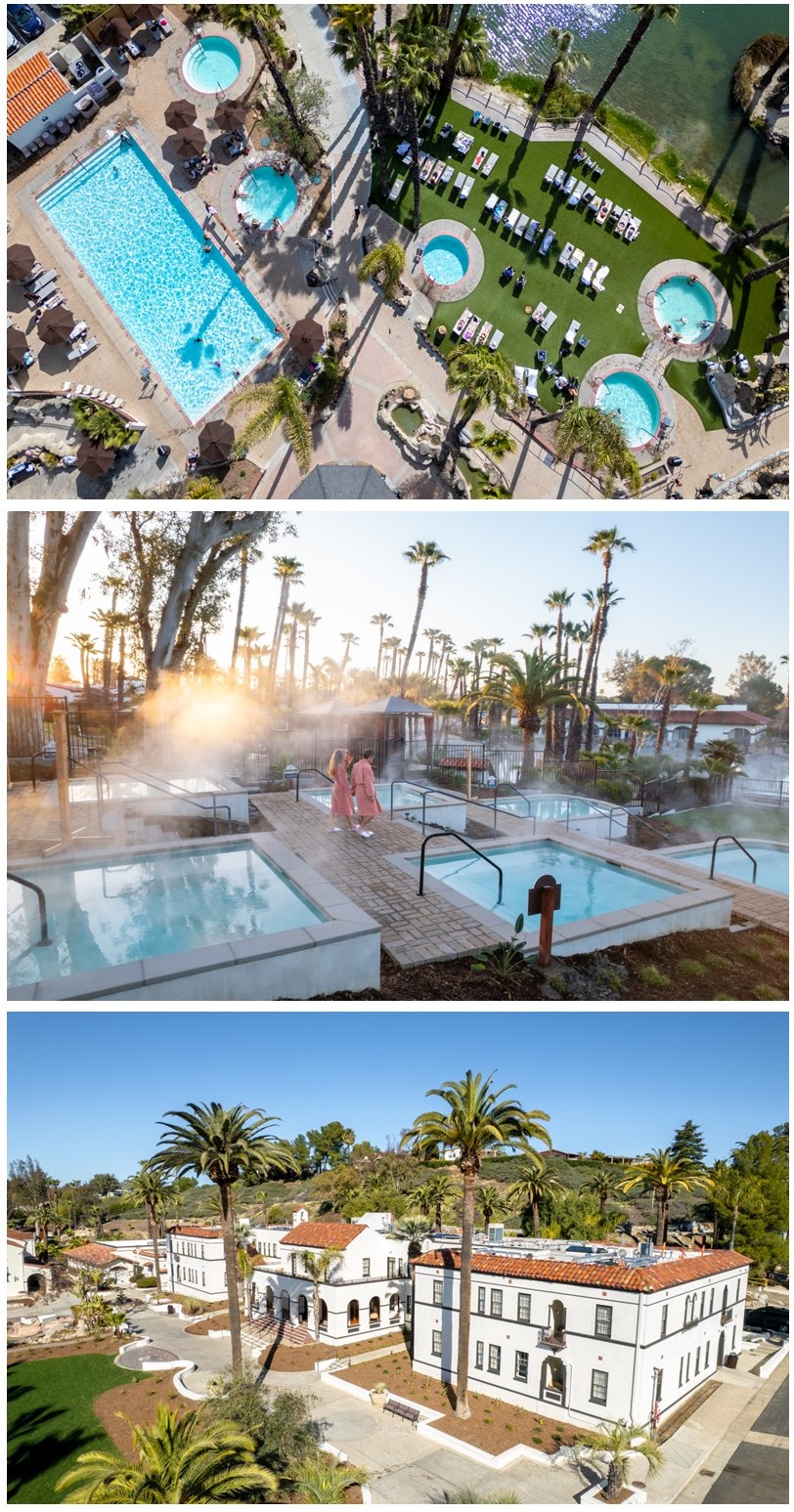
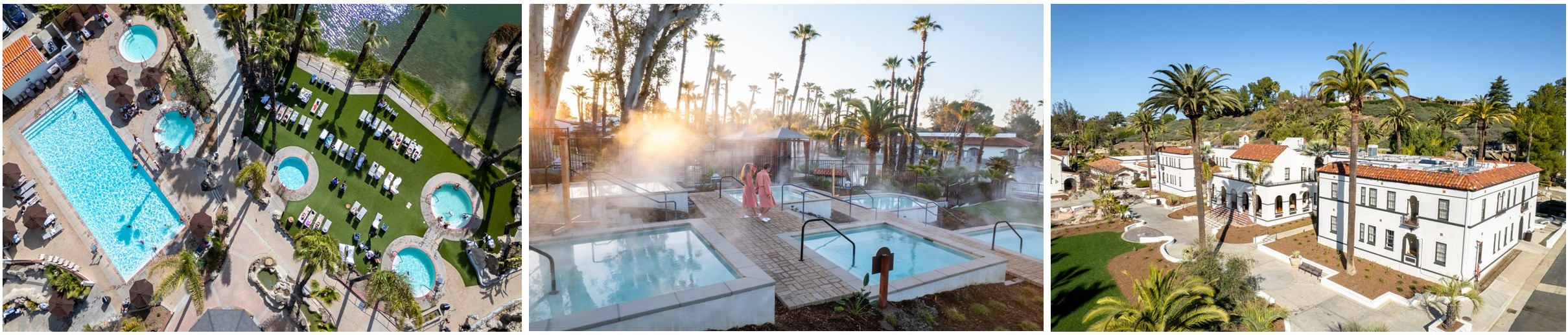
Restore at California's Award-Winning Hot Springs Sanctuary
Murrieta Hot Springs Resort — where 120+ years of healing tradition
meets modern luxury across 46 acres of tranquil oasis.
meets modern luxury across 46 acres of tranquil oasis.
🏆 USA Today 10Best: #3 Hot Springs & #2 Spa Resort 2025 | TripAdvisor Travelers' Choice Award
Murrieta Hot Springs
39405 Murrieta Hot Springs Rd
Murrieta, CA 92563
951-290-0887
Rooms start at $209/night. Don’t delay! Our special room rates expire June 15, 2026, or until the room block is full. Space is limited and the hotel will book quickly.
✔ Breakfast & Lunch Included (daily)
✔ 24-Hour Pool Access (check-in to 6PM checkout)
✔ Sleep Ritual Tray (curated by Medical Director)
✔ Champion Cold Plunge (the ultimate plunge)
✔ Coffee & Tea Service (all day)
✔ Unlimited Robe & Towel Exchange
✔ State-of-the-Art Fitness Center
✔ Farm-to-Table Dining (Talia Restaurant)
This Retreat Understands Something Critical
Burned-out clinicians don't need more information crammed into every waking hour. You need integration time. Space to breathe. Permission to restore while you learn. That's why afternoons and evenings are completely yours — to practice, soak, rest, or explore. Because you can't pour from an empty cup.
Reserve your spot—transform how you treat anxiety and trauma while restoring the energy this work demands.
July 16-18, 2026
Join Us Live In-Person
Murrieta Hot Springs Resort in Murrieta, CA
Limited seats available – Secure yours now
Limited seats available – Secure yours now
- ★ Two and a half days LIVE training
- ★ Breakfast and Lunch Included!
- ★ Up to 13.5 CE Hours
- ★ CMIP Certification
- ★ Hands on learning and personalized interactions
- ★ Network with your peers from across the country
- ★ Archive recording available for 90 days
$899.99
Can't Attend In-Person?
Join Us Live Online
- ★ Two and a half days LIVE ONLINE training
- ★ Join us from the comfort of your home
- ★ Up to 13.5 CE Hours
- ★ LIVE online Q&A
- ★ Virtual networking with colleagues across the country
- ★ Archive Recording Available for 90 days
$499.99
Meet Your Expert
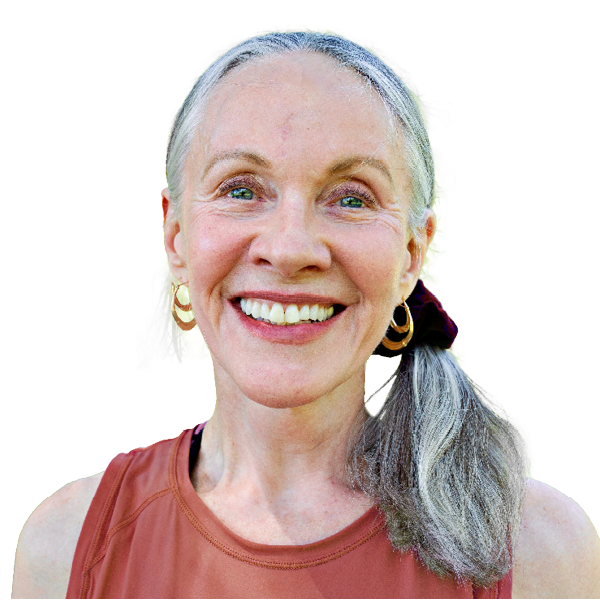
Mary NurrieStearns, MSW, LCSW, ACEP–EFT, C–C–IAYT, E–RYT 500
Mary NurrieStearns, MSW, LCSW, ACEP–EFT, C–C–IAYT, E–RYT 500, is a licensed clinical social worker with 40 years of experience treating anxiety, trauma, and depression through body-based interventions. An ACEP-certified EFT practitioner and certified trauma-informed yoga therapist, she's been training mental health professionals across the USA since 2006.
What Previous Attendees Say

“Mary NS was perfect in every way. I look forward to reading her books and perhaps take another training with her in the future. I will certainly recommend her to others.”
—Stacy P, Psychologist
“Amazing presentation, I left with applicable tools I can use in my practice now.”
—Allison A, Counselor
“I have been a social worker for 35 years. She is the best teacher I have had.”
—Sandra M, Social Worker
“She was incredibly knowledgeable and a very effective teacher. I am definitely looking for more trainings with her.”
—Melanie M, Psychologist
“Very informative presentation, valuable tools taught to use with my clients, learned a lot about yoga, meditation, and mindfulness, which are beneficial for my clients and myself, and LOVED the training! Thank you!”
—Denise S, Psychotherapist
“I can't say enough good things about this training and more specifically Mary. She taught me so much and I left excited to use what I learned both professionally and personally. She is a gem!!”
—Jill C, Counselor
Certification Made Simple
That's it! No hidden fees. No catch. Just certification made EASY.
*Professional standards apply.
Click Here to Learn More About CMIP Certification
We partner with Evergreen Certifications to include certification with some of our products. When you purchase such a product, we may disclose your information to Evergreen Certifications for purposes of providing services directly to you or to contact you regarding relevant offers.
*Professional standards apply.
Click Here to Learn More About CMIP Certification
We partner with Evergreen Certifications to include certification with some of our products. When you purchase such a product, we may disclose your information to Evergreen Certifications for purposes of providing services directly to you or to contact you regarding relevant offers.
Master the interventions. Earn the credential. Claim your spot.
July 16-18, 2026
Join Us Live In-Person
Murrieta Hot Springs Resort in Murrieta, CA
Limited seats available – Secure yours now
Limited seats available – Secure yours now
- ★ Two and a half days LIVE training
- ★ Breakfast and Lunch Included!
- ★ Up to 13.5 CE Hours
- ★ CMIP Certification
- ★ Hands on learning and personalized interactions
- ★ Network with your peers from across the country
- ★ Archive recording available for 90 days
$899.99
Can't Attend In-Person?
Join Us Live Online
- ★ Two and a half days LIVE ONLINE training
- ★ Join us from the comfort of your home
- ★ Up to 13.5 CE Hours
- ★ LIVE online Q&A
- ★ Virtual networking with colleagues across the country
- ★ Archive Recording Available for 90 days
$499.99
Frequently Asked Questions
If you're a mental health professional who's ever felt stuck when a client can't access their emotions, freezes in panic, or stays trapped in shame despite excellent cognitive work—this training is for you. You'll learn body-based interventions that work when talk therapy reaches its limits, practice them in your own nervous system first, and leave Monday morning with protocols you can use immediately. Plus, you'll earn your Certified Mindfulness-Informed Professional (CMIP) credential and up to 13.5 CE hours while restoring at an award-winning hot springs resort.
You'll experience it yourself first.
It's embodied learning that changes you as much as it changes your practice.
It's clinically rigorous AND restorative.
Yes, you'll earn up to 13.5 CE credits. But you'll also have afternoons free to rest, reflect, hike, get a massage, or simply breathe. Burned-out clinicians don't need more information crammed in—they need integration time.
You'll leave with tools you can use Monday morning.
Protocols, scripts, handouts, recordings, treatment plan language, research summaries—everything you need to implement immediately and confidently.
You'll find your people.
Connect with other therapists, social workers, psychologists, and counselors who understand that healing happens in the body, not just the mind. You're not alone in this work.
This training is designed for:
- Counselors
- Social Workers
- Psychotherapists
- Marriage and Family Therapists
- Behavioral Health Nurses
- Psychologists
- Addiction Counselors
- Mental Health Professionals
From Purchase Date until June 16, 2026: Cancellation results in a full refund less a $100 administrative fee
From June 17, 2026: Cancellation results in a 50% penalty of the total purchase amount
Event Countdown
0
Days
:
0
Hours
:
0
Minutes
:
0
Seconds