Trauma changes more than the mind


For example, did you know trauma and depression can kill neurons and shrink the brain? And evidence suggests specific vitamins, minerals, and nutrients along with certain physical exercises can stop this shrinkage.
Trauma and chronic stress change the ecosystem of the body, mind, and spirit. People often respond to both with feelings of depression, helplessness, anxiety, irritability, and self-blame...
This can then cause clients to self-medicate with sugar, carbohydrates, drugs, and alcohol—all of which disrupt metabolism. Also, many psychotropic medications disrupt metabolic function.
When the body can’t regulate metabolism - which includes things like glucose, insulin, and cortisol – it can cause prediabetes and diabetes...
And it works in both directions: depression contributes to diabetes and diabetes worsens depression.
It’s rare to connect trauma and diabetes type 2 in one conversation, but the two are interrelated… And it’s vital that this connection informs trauma treatment plans.
Common depictions of diabetes type 2 often focus solely on adhering to diet and genetics - without mention of trauma and stress, a key piece of the puzzle.
We also know that there is a link between the trauma of discrimination and poor physical health among minorities populations. This may be why, in part, minority individuals have higher rates of metabolic syndrome, diabetes type 2, depression, and poor sleep.
Combined with the effects of trauma, we see chronic physical and emotional challenges that feel overwhelming to our clients and their families. Understanding these links and having culturally sensitive assessments enhances outcomes and builds rapport.
When we combine mental health knowledge with the latest research in nutrition and integrative approaches to mind and body health, we are better equipped to help them.
In our mental health practices we have an important role to play, and there is a growing professional niche for us in the practice of nutrition and integrative medicine for prevention and treatment of diabetes, cognitive decline and Alzheimer’s disease.

You’ll come away from this training with tools and strategies to enhance clinical outcomes, and the education you need to become a Certified Integrative Medicine and Nutrition for Diabetes and Alzheimer’s Provider... and your first year of certification is FREE. Learn more at www.pesi.com/mindandbody
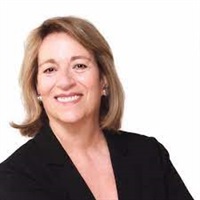
Leslie Korn, PhD, MPH, LMHC, ACS, FNTP, BCTMB, is a renowned integrative medicine clinician and educator specializing in the use of nutritional, herbal and culinary medicine for the treatment of trauma and emotional and chronic physical illness. She is known for her dynamism and humor providing clients effective alternatives to psychotropics. She completed her graduate education in the department of psychiatry and public health at Harvard Medical School and her life training in the jungle of Mexico where she lived and worked alongside local healers for over 25 years. She directed a naturopathic medicine and training clinic facilitating health, culinary and fitness retreats. She is licensed and certified in nutritional therapy, mental health counseling, and bodywork (Polarity and Cranial Sacral and medical massage therapies) and is an approved clinical supervisor. She introduced somatic therapies for complex trauma patients in outpatient psychiatry at Harvard Medical school in 1985 and served Acupuncture and faculty at National College of Naturopathic Medicine.
She is the author of the seminal book on the body and complex trauma: Rhythms of Recovery: Integrative Medicine for PTSD and Complex Trauma, 2nd Edition (Routledge, 2012, 2023); The Brainbow Blueprint: A Clinical Guide to Integrative Medicine and Nutrition for Mental Well Being (PESI, 2023), Nutrition Essentials for Mental Health (W.W. Norton, 2016), Eat Right Feel Right: Over 80 Recipes and Tips to Improve Mood, Sleep, Attention & Focus (PESI, 2017); Multicultural Counseling Workbook: Exercises, Worksheets & Games to Build Rapport with Diverse Clients (PESI, 2015); The Good Mood Kitchen (W.W. Norton, 2017); and Natural Woman: Herbal Remedies for Radiant Health at Every Age and Stage of Life (Shambhala, 2019). She was a founder of the National Certification Board for Therapeutic Massage and Bodywork, a Fullbright scholar in Herbal Medicine and an NIH-funded scientist, in mind/body medicine. She is an approved clinical supervisor and is the research director at the Center for World Indigenous Studies where she designs culinary and herbal medicine programs with tribal communities engaged in developing integrative medicine programs.
Speaker Disclosures:
Financial: Dr. Leslie Korn maintains a private practice. She receives a speaking honorarium and recording royalties from PESI, Inc. Dr. Korn receives royalties as a published author. She has no relevant financial relationships with ineligible organizations.
Non-financial: Dr. Leslie Korn is a member of the Nutritional Therapy Association and Integrative Medicine for the Underserved.


