The 10 Core Tenets of Attachment Theory

Attachment theory is a psychological framework that focuses on understanding the impact of early attachment relationships on an individual's emotional and psychological development, as well as their adult relationships and mental well-being. This theory was initially developed by British psychologist John Bowlby in the mid-20th century and later expanded upon by Mary Ainsworth and others.

Attachment theory posits that humans have an innate need to form strong emotional bonds with caregivers, typically with their parents or primary caregivers, and that the quality of these early attachments can have a profound and lasting influence on an individual's personality, behavior, and interpersonal relationships. It suggests that the way caregivers respond to a child's emotional and physical needs during infancy and early childhood can shape the child's internal working model of relationships, which, in turn, affects their attachment style.

Below, EFIT & EFT Developer, Sue Johnson, EdD, explains the 10 core tenets of Attachment Theory and how they are crucial to understanding Emotionally Focused Individual Therapy (EFIT):


And if you're ready to learn more, Dr. Sue Johnson shares how Attachment Theory shows up in session and explains how crucial they are to understanding Emotionally Focused Individual Therapy (EFIT). READ MORE >
Get to the heart of the matter with attachment-based assessment
Level 1 Certificate in EFIT
In this intensive certificate training program, you'll learn exactly how to help clients process their strong emotions as you train directly with Dr. Sue Johnson, the developer of Emotionally Focused Individual Therapy (EFIT), along with senior trainer Dr. Leanne Campbell.

PLUS, once you complete this training, you'll receive your Level 1 Certificate in EFIT from the prestigious International Centre for Excellence in Emotionally Focused Therapy (ICEEFT) — demonstrating your commitment to helping clients gain life-changing access to skills for transforming painful emotions on their journey toward wholeness.
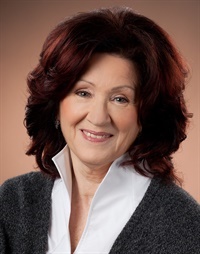
Susan Johnson EdD
The late Susan Johnson, EdD, was a best-selling author, clinical psychologist, distinguished research professor, dynamic speaker, and recognized innovator who changed the field of couple therapy. Sue was the primary developer of Emotionally Focused Therapy (EFT), which has demonstrated its effectiveness in over 30 years of peer-reviewed clinical research. She was the director of the International Center for Excellence in Emotionally Focused Therapy and a distinguished research professor at Alliant University in San Diego, California, as well as professor of clinical psychology at the University of Ottawa, Canada. She trained behavioral health providers in EFT worldwide and is still recognized as one of the most prominent researchers and presenters in the couple therapy field.


Speaker Disclosures:
Financial: Dr. Sue Johnson had employment relationships with University of British Columbia, Campbell & Fairweather Psychology Group, Alliant International, University Ottawa, Couple and Family Institute, and the International Center for Excellence in Emotionally Focused Therapy. She received royalties as a published author. Dr. Johnson received a speaking honorarium, recording royalties, and book royalties from PESI, Inc. She had no relevant financial relationships with ineligible organizations.
Non-financial: Dr. Sue Johnson served on the editorial board for the American Journal of Family Therapy (AJFT) and the journal Couple and Family Psychology: Research & Practice.

Let's Stay in Touch

Get exclusive discounts, new training announcements & more!

You May Also Be Interested In These Related Blog Posts
Somatic Healing Session For Wellness, Health Or Trauma Release
A Somatic Strategy to Rebuild Trust and Regulation in Teens and Adults
Learn how the Four-Point Self-Awareness Practice builds somatic literacy, supports nervous system regulation, and lays the groundwork for genuine therapeutic trust—one breath at a time.
Play Therapy (1)
Why Traumatized Youth Need an Invitation, Not an Intervention
Learn what "stealth therapy" looks like in practice, how to respect a child's need for emotional distance, and why the therapeutic relationship itself—not any technique or protocol—is the most powe...
Ln4zvathhuoq6qog3oqbag
Attachment-Focused Interventions for Grief
Dr. Leanne Campbell shares how Emotionally Focused Individual Therapy helps clients shift into a state of emotional balance that allows them to process their grief, relieve emotional pain and find...
2057 20220324 031822 Blog 001470 Attachmentcrs 380X290
Understanding Clients Through the Lens of Attachment
By truly understanding your client through the lens of attachment, you'll deepen your awareness of who they really are. Download free worksheets to help you understand your clients at the level nee...
Somatic Healing Session For Wellness, Health Or Trauma Release
A Somatic Strategy to Rebuild Trust and Regulation in Teens and Adults
Learn how the Four-Point Self-Awareness Practice builds somatic literacy, supports nervous system regulation, and lays the groundwork for genuine therapeutic trust—one breath at a time.
Play Therapy (1)
Why Traumatized Youth Need an Invitation, Not an Intervention
Learn what "stealth therapy" looks like in practice, how to respect a child's need for emotional distance, and why the therapeutic relationship itself—not any technique or protocol—is the most powe...
Ln4zvathhuoq6qog3oqbag
Attachment-Focused Interventions for Grief
Dr. Leanne Campbell shares how Emotionally Focused Individual Therapy helps clients shift into a state of emotional balance that allows them to process their grief, relieve emotional pain and find...
2057 20220324 031822 Blog 001470 Attachmentcrs 380X290
Understanding Clients Through the Lens of Attachment
By truly understanding your client through the lens of attachment, you'll deepen your awareness of who they really are. Download free worksheets to help you understand your clients at the level nee...