Somatic Interventions for BIPOC Clients Navigating Trauma and Anxiety

For many therapists working with Black, Indigenous, and People of Color (BIPOC) clients, traditional talk therapy can sometimes fall short in addressing the embodied effects of trauma. Dr. Chinwé Williams, a certified EMDR therapist and co-author of Seen, invites us to consider a more integrative path: somatic therapy that centers the nervous system and honors the lived experiences of racialized stress.
Why the Body Matters in Therapy
When clients present with symptoms of anxiety (think: racing hearts, tight chests, chronic stomach pain), we’re witnessing more than a mental health diagnosis. These are signs of a nervous system in distress. For BIPOC clients, somatic symptoms often reflect not only personal stressors but also the cumulative toll of systemic racism, discrimination, and cultural invisibility.
As Dr. Williams highlights, "We don’t just think anxious thoughts—we feel anxiety." That’s why body-based interventions can be especially powerful for BIPOC clients who may carry layers of generational and racial trauma in their physiology.
The Unique Burden of Racialized Anxiety
Studies show that while BIPOC populations may experience lower lifetime rates of mental illness than white populations, when symptoms do appear, they’re often more severe, chronic, and debilitating. Experiences of daily discrimination—even subtle acts like being treated with less courtesy—can trigger sustained hypervigilance and elevate allostatic load (the cumulative wear-and-tear on the body due to chronic stress).
For example, Black women show an average allostatic load 22% higher than white women. Latinx and Native communities also bear disproportionately high burdens, with stressors related to immigration, intergenerational trauma, and historical oppression.
This embodied stress response doesn’t just live in the mind. It reshapes the body, primes the nervous system for threat, and makes healing more complex without an integrated somatic approach.
Centering the Nervous System in Therapy Sessions
Dr. Williams encourages therapists to incorporate body-based practices from the very first session. One foundational intervention is the Four-Point Self-Awareness Practice, a mindfulness-based exercise that invites clients to gently observe:
- Body awareness – Where are they holding tension or alertness?
- Breath – Is their breathing shallow, held, or rapid?
- Mind – Are thoughts racing or sluggish?
- Emotions – What feelings are surfacing in the moment?
This simple practice helps clients begin to identify early signs of dysregulation and introduces the idea that their bodies can offer important cues and ultimately, healing.
Therapists are also encouraged to educate clients on nervous system regulation and tailor self-care strategies to the client’s cultural context and personal resources. As Dr. Williams reminds us, “We all need different things to return to regulation.”
Somatic Therapy as Racial Justice
Offering somatic tools to BIPOC clients is more than a clinical technique: It’s a form of validation and empowerment. By addressing the very real, embodied impacts of racial trauma, therapists can help clients reclaim a sense of agency, safety, and connection in their bodies.
Whether it's grounding through breath, tracking sensations in EMDR, or noticing micro-movements in a session, somatic interventions invite clients to reoccupy their bodies in a world that often seeks to disconnect them from it.
As therapists, we must recognize that healing racial trauma requires more than insight. It requires presence, embodiment, and an unwavering commitment to culturally responsive care.

Become a Certified BIPOC Mental Health Specialist! Gain CE hours, master racial trauma & bias, and advance your practice. Enroll today!

Anxiety Certification Training: EMDR, Trauma-Informed, ACT, & Somatic Therapy to Help Clients Overcome Anxiety
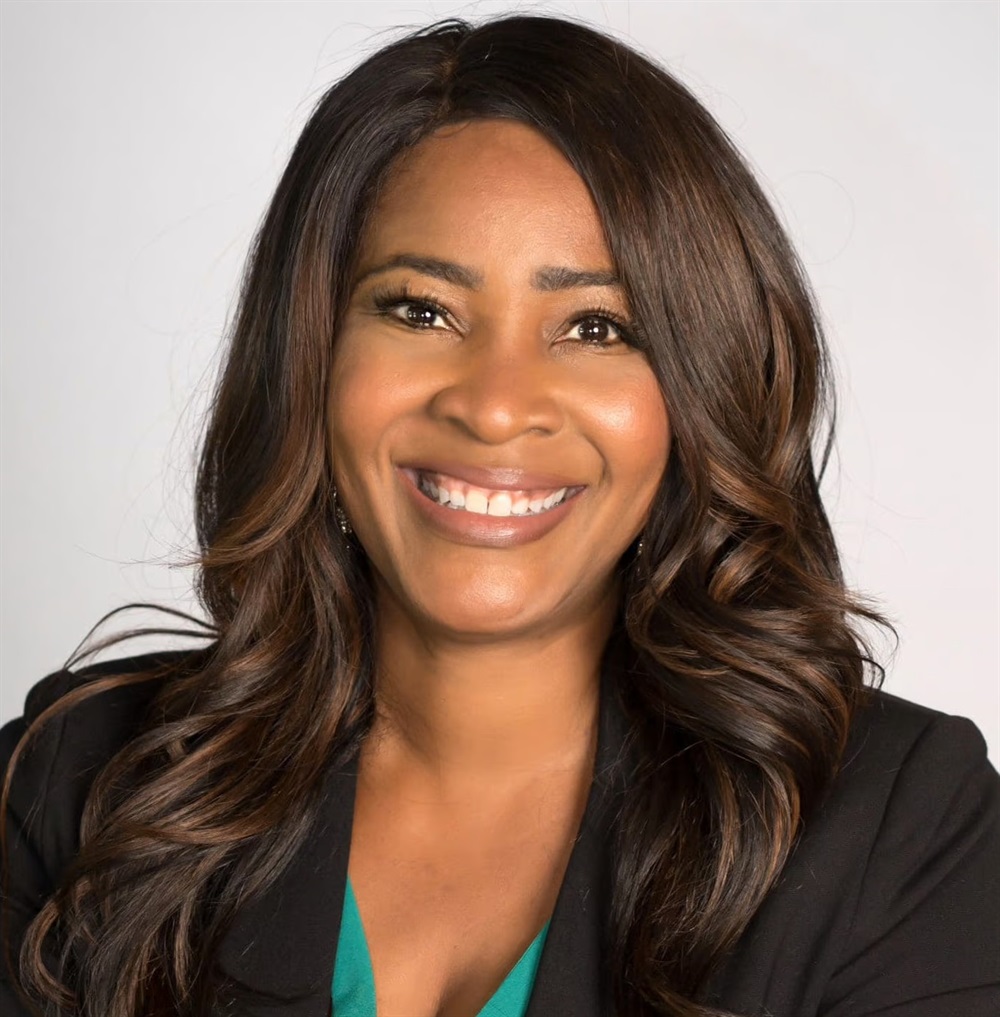
Chinwé Williams, PhD, is a licensed and board-certified EMDR therapist, and counselor educator and supervisor with close to two decades of experience supporting individuals in trauma recovery. She has a strong commitment to helping clients overcome various forms of trauma and anxiety. As a published researcher, author, consultant, and educator, Dr. Williams brings a wealth of knowledge to her work.
Her expertise lies in somatically focused approaches that teach clients how to regulate the nervous system and utilize the body for healing from various traumatic experiences. Formerly a faculty member at Georgia State University, the University of Central Florida, and Rollins College, she specializes in trauma recovery, stress/anxiety management, adolescent and women’s wellness, and equity-centered trauma-informed education.
Dr. Williams is actively involved in contributing to the field of behavioral health. She consults with several corporate and nonprofit organizations, and school districts. Dr. Williams also serves on the advisory board for Brightline, a telemedicine company providing mental health support to kids, teens, and families. In this role, she consults on the best practices to support diverse youth and families through programs, content development, and care team training.
She is the author of three books, SEEN: Healing Despair and Anxiety in Kids and Teens Through The Power of Connection, Beyond the Spiral: Why You Shouldn’t Believe Everything Anxiety Tells You, and Calm, Courageous and Connected: A Parent’s Guide to Raising Emotionally Resilient Kids. As the owner of Meaningful Solutions Counseling & Consulting, a thriving private practice in Roswell, GA, Dr. Williams applies her expertise to address a broad range of trauma issues across many client demographics.
Speaker Disclosures:
Financial: Dr. Chinwé Williams maintains a private practice, the co-owner of Southeastern Counselor Training Institute, and a presenter for Lyra Health. She receives a speaking honorarium and recording royalties from PESI, Inc. She has no relevant financial relationships with ineligible organizations.
Non-financial: Dr. Chinwé Williams is a subject matter expert with Orange.


