Navigating the Grief Journey


The Timeline of Grief
“How long is grief supposed to last?” is a question that many grieving individuals like to ask. There is no set timeline for grieving after losing someone. The better question is, “How long will the person who passed away remain gone?” As long as they are gone, the grief will continue. While people will always grieve, this doesn’t mean that they will always grieve with pain. The main goal is to eventually, and at their own pace, learn to grieve with more love than pain.Sadly, there is a lot of judgment surrounding grief—from society, family, and those who haven’t experienced a loss. Every grieving period is unique, and nobody can fully relate to how an individual processes sorrow. These judgments can hinder the grieving process, especially when individuals judge themselves. They might think, “It’s been a year, why am I still crying?” or “It’s been five years, why am I not over this?” People often believe that they should be in a different place emotionally. It isn’t about the time that has passed since a loved one died, but rather about their relationship with grief itself.
Understanding Heavy Feelings During Grieving Periods
Healing begins with understanding one’s emotions. While confronting frightening emotions can be daunting, it is a crucial step in the healing process.Grief emotions can often include:
- Anger
- Sadness
- Numbness
- Yearning
- Shock
- Other painful feelings
People often fear sorrowful feelings because they never allow themselves to fully experience each emotion. Instead, they have emotions about their emotions. They feel sad, then guilty for being sad because someone else has it worse, which interrupts their sadness before they fully feel it. Sometimes they get angry and judge their anger, leading to self-judgment for feeling these intense emotions. Other times they feel sad while thinking they should be grateful. This cycle continues. It is important to encourage those dealing with grief to ignore the judgments their mind makes about their feelings and try to identify the emotions that arise most naturally and frequently for them. This process takes time and can be challenging, but nothing will be as hard as what has already been endured.
The journey through grief is a deeply personal and unique experience for every griever. It’s essential to honor and validate everyone's unique grieving process, free from societal judgments and self-imposed expectations. By understanding and embracing big emotions, individuals can navigate their grief with compassion and patience, ultimately finding a way to grieve with more love than pain. Encouraging a non-judgmental exploration of sorrowful feelings allows for a more authentic and healing experience, reminding grievers that their path through their sorrow is uniquely their own.
Help your clients further their healing journey with these printable worksheets straight from David Kessler's new workbook Finding Meaning Workbook. This workbook is designed to guide individuals through their pain with patience and compassion, and the exercises you'll find in it are designed to help your grieving clients find meaning and provide new ways to endure and grow from loss.

The Sixth Sense of Grief Workbook: Tools for Releasing Pain and Remembering with Love

Written with warmth, sensitivity, and unique insight, you’ll feel like you are sitting with David, having a conversation along your path to healing. This workbook is filled with self-reflective exercises, journaling opportunities and warmhearted guidance for your clients to navigate their grief journey.
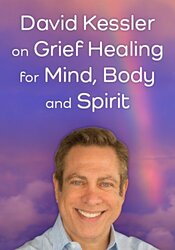

David Kessler is one of the world’s foremost experts on grief and loss. His experience with thousands of people on the edge of life and death has taught him the secrets to living a happy and fulfilled life, even after life’s tragedies.
He is the author of six books, including his latest bestselling book, Finding Meaning: The Sixth Stage of Grief. He co-authored two books with Elisabeth Kubler Ross, Life Lessons and On Grief and Grieving, updating her 5 stages for grief. He also co-wrote, You Can Heal Your Heart with Louise Hay. He authored Visions Trips and Crowded Rooms: Who and What You See Before You Die. His first book, The Needs of The Dying received praise from Saint (Mother) Teresa.
David’s personal experience as a child witnessing a mass shooting while his mother was dying in a hospital helped him begin his journey. For most of his life, David has taught physicians, nurses, counselors, police, and first responders about the end of life, trauma, and grief. However, despite his vast knowledge of grief, his life was turned upside down by the sudden death of his twenty-one-year-old son.
David’s volunteer work includes being a founding member of Project Angel Food, a well-known and loved non-profit organization. He currently serves on the board of The Farrah Fawcett Foundation which provides cancer research, patient assistance, and prevention efforts. He also serves as Specialist Reserve for the Los Angeles Police as well as having served on the Red Cross’s disaster services team.
He has a new online model of grief support called Tender Hearts with over 25 groups each as well as one of the most respected Grief Certification programs. He is the founder of www.grief.com, which receives millions of visits yearly providing helpful resources to over 167 countries.
Speaker Disclosures:
Financial: David Kessler is the co‑founder and President Emeritus of Project Angel Food. He maintains employment relationships with HSBC – London and Tender Hearts Grief Support Group. He is a published author and receives royalties from his publications, as well as compensation for his work as a lecturer. In addition, David Kessler receives speaking honoraria and recording and book royalties from Psychotherapy Networker and PESI, Inc. He has no relevant financial relationships with ineligible organizations.
Non-financial: David Kessler has no relevant non-financial relationships.


