How Historical Trauma Can Affect Your Clients


The key idea behind historical trauma is that it is not only an event that affects people at the time it occurs, but its effects are transmitted through cultural, social, and familial structures. These effects can manifest in various ways, such as through mental health issues, substance abuse, disrupted family dynamics, a sense of disconnection from cultural heritage, and patterns of chronic stress.
Examples of historical trauma include:
- The impact of colonization on Indigenous peoples, which involved violence, land dispossession, forced assimilation, and cultural erasure.
- The enslavement of Africans and its ongoing effects on descendants, including systemic racism and social inequality.
- The Holocaust and the long-lasting trauma experienced by Jewish communities.
- The forced relocation and internment of Japanese-Americans during World War II.
How historical trauma works:
Sotero (2006) presented a conceptual framework of historical trauma that consists of three distinct phases. Here are the three phases you might see in the therapy room with current clients, plus how it can also affect successive generations.Healing from historical trauma often involves a process of community reconciliation, cultural revitalization, storytelling, acknowledgment of past wrongs, and trauma-informed care. Many communities who have experienced historical trauma work toward restoring cultural practices, language, and healing rituals as part of reclaiming their identity and well-being.
Social Justice, Ethics and Multicultural Issues for Mental Health Professionals

This inspiring class will open your eyes to the struggles of disenfranchised or marginalized populations, and give you practical and innovative techniques so you can comfortably and successfully work with them in treatment. You’ll leave able to more capably assess clients, avoid cultural misunderstandings that can harm the therapeutic alliance, and gain the trust you need to achieve truly transformative results.
Ethics & Cultural Competency Training Bundle

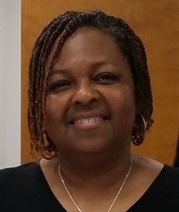
Lisa Connors, PhD, LCPC, LPC, NCC is a licensed clinical professional counselor (MD), licensed professional counselor (PA), national certified counselor, board-certified coach, master addiction counselor, certified clinical trauma professional, and certified grief-informed professional. She is also a fellow in thanatology.
Ms. Connors has been in the human services/social work/counseling/addiction fields for over 30 years. She has worked in a variety of settings providing services to the despondent and downtrodden. Ms. Connors works tirelessly to help others reach their fullest potential in life, helping and empowering others who have been oppressed, stigmatized, marginalized, and victimized. Her greatest passion is working with individuals affected by HIV/AIDS, substance use and mental health disorders, violence/abuse/trauma, grief and loss, and racial and social injustices.
Ms. Connors has served on the Board of Directors for the Maryland Chapter of the National Association of Social Workers and is the past co-chair of the HIV Planning Group for the state of Maryland. Currently, she serves as the interim secretary and treasurer for the Pennsylvania Association of Addiction Professionals. In addition to her clinical work, Ms. Connors is a college professor at Anne Arundel Community College. She is a member of many organizations, including ACA, NASW, NAADAC, and ADEC. Ms. Connors earned her Master of Arts in professional counseling from Liberty University, her Master of Divinity from Howard University, and her PhD in psychology at Walden University.
Speaker Disclosures:
Financial: Lisa Connors maintains a private practice and has employment relationships with Anne Arundel Community College, University of Maryland, and The Institute for Life Coach Training. She receives compensation as a consultant. Lisa Connors receives a speaking honorarium and recording royalties from PESI, Inc. She has no relevant financial relationships with ineligible organizations.
Non-financial: Lisa Connors is a member of the Maryland Association of Addiction Professionals, the National Association of Social Workers (NASW), and the American Counseling Association (ACA).


