Yoga and Mindfulness Tools for Children: Grounding and Becoming Present
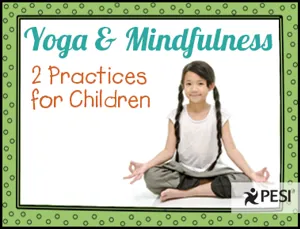
Yoga and mindfulness practices are powerful tools to help children build strength, manage their emotions, become more flexible (physically and mentally), and gain mind-body balance.
With all of the pressures our children experience, at school, at home, and in the world, having strategies for navigating fear, anxiety, and stress is essential. Two useful approaches for managing overwhelming experiences include:
- Bringing your awareness to what is real in the present
- Bringing your awareness inward to become more grounded
Below are two of my favorite practices to share with the children in my life. Each exercise comes with matching coloring pages and worksheets to further enhance the experience and deepen reflection, and you can download these supporting materials for free. Don’t forget to try these out yourself as well, as we all could use some orienting and grounding no matter what our age!
Five Senses Awareness
You can do this sitting or standing. First, bring your attention to anything around you that you can see. Look around. Take your time to notice what is in your environment. Now bring your eyes to rest on one steady spot, or if it’s comfortable, close your eyes. See if you can remember what you saw around you. Picture it in your mind and hold it there for a moment or two.
Now imagine opening your ears wide and listen for any sounds around you that you can hear. They can be far away sounds outside of this room, close by sounds, or even the sounds being made by your own body. Next pay attention to what you can smell. There might be good smells, or bad smells, or some of each in the air. Take a few slow inhales, and see if you can find one or more scents in the air around you.
Now focus on what you can taste. First, notice what tastes you can perceive while your mouth is closed. Does the taste change if you move your tongue around your
mouth? Does it change if you open your mouth?
Finally, bring your attention to what you can feel. What part of your body is connected with the ground? How do you feel the pressure on the place where you are being held? If you check in with the muscles of your body, can you notice any other feelings? How about the feeling of your clothes on your skin? The air on your face? Do you have glasses, jewelry, or anything else on your body that is creating a sensation?
Take a few slow breaths, and when you are ready, open your eyes or look up.
DOWNLOAD: Five Senses Worksheet and Coloring Page
Checking in With My Body
It’s great to practice this activity lying down if you can, but sitting up will work also. Settle into a comfortable position where you feel safe and supported. Take a few slow breaths, and turn your attention to your body. Start with your feet and ask them how they are doing today. Notice if they feel relaxed or tense, comfortable or uncomfortable. Is there any pain or other strong sensations?
Next check in with your legs, and see how they are feeling. Are the muscles in your legs working or resting? Are there any spots that feel tight or uncomfortable? Do
they feel energized or tired?
Keep moving up your body to check in. How is your belly feeling? Full or hungry? Comfortable or uncomfortable? Is it relaxed or clenched? Can you feel yourself digesting food?
Now check in with your back and then your chest and shoulders. What do you feel? How much can you notice? How about your arms and hands? Your face?
As you check in with each part of your body, notice how it is doing, and consider whether the sensation has anything to tell you about your feelings. Maybe a flutter in your belly is a reminder that you are feeling nervous or excited. Or a tight and uncomfortable jaw might be letting you know that you are angry or feeling stress. If you’re not sure, don’t worry; just check in with your body and notice whatever you can feel. Sometimes it can help to bring your hands onto the part of your body you are checking in with. After you’ve checked in, lie or sit quietly for two or three breaths.
DOWNLOAD: Checking in with My Body Worksheet and Coloring Page
 |

Jennifer Cohen Harper, MA, E-RYT, RCYT, is an author and educator who works to support all children and teens in the development of strong inner resources through the tools of yoga and mindfulness. Her goal is to help kids, and those who care for them, thrive in the world regardless of circumstances, and navigate the many challenges they face with a sense of personal power and self-awareness.
As the founder and CEO of Little Flower Yoga, Jennifer brings embodied mindfulness programming and education to schools and community organizations nationwide, serving students, families, educators, and mental health providers. She is an active member of the International Association of Yoga Therapists, and the board president of the non-profit Yoga Service Council, which works to maximize the effectiveness and sustainability of those committed to sharing practices supporting healing, resilience, self-development, community building and positive social change.
Jennifer is the author and co-author of numerous titles and card decks, including Yoga and Mindfulness Practices for Children Card Deck (PESI, 2016), Little Flower Yoga (New Harbinger, 2013) and children’s books, Thank You Body, Thank You Heart (PESI, 2019) and Thank You Mind (PESI, 2020).
Jennifer’s work has been featured in prominent publications including NY Times, The International Journal of Yoga Therapy, Publishers Weekly, and Yoga Journal and endorsed by thought leaders including Dan Siegel, Sharon Salzberg, Rick Hanson and Congressman Tim Ryan. Jennifer is an engaging presenter committed to collective growth and learning. She offers powerful information in a practical, easy-to-implement format with warmth, humor and joy.
Speaker Disclosures:
Financial: Jennifer Cohen Harper is the owner and CEO of Little Flower Yoga. She is a published author and receives royalties. Jennifer Cohen Harper receives a speaking honorarium, recording, and book royalties from PESI, Inc. She has no relevant financial relationships with ineligible organizations.
Non-financial: Jennifer Cohen Harper is an advisor to the Center for Resilience. She is a member of the International Association of Yoga Therapy and the International Association for School Yoga and Mindfulness.


