Why Psychotherapy Succeeds or Fails—I Believe I Found the Answer. David D. Burns, MD


In contrast to Feeling Good, which was all about the cognitive revolution, this book is all about the motivation revolution. It is based on the simple idea that we sometimes get “stuck” in depression and anxiety because we have mixed feelings about recovery. Although we may be suffering and desperately want to change, there may be powerful conflicting forces that keep us stuck. As strange as this might sound, part of you may fight against—or resist—the very change you’re yearning for.
This is what Freud called “resistance” way back at the beginning of psychoanalysis. Although most therapists since Freud have given lip service to resistance, very few (if any) have explained why we resist change or how to solve this problem.
And that’s where this book comes in: Through a new approach called TEAM-CBT, you can overcome this resistance and achieve recovery quickly. The TEAM approach evolved from my clinical experience and research on how psychotherapy actually works. It preserves all the best elements of CBT described in my first book, but it works much faster.
Here’s what the letters stand for:
T = Testing: My colleagues and I test our patients’ symptoms at the start and end of every therapy session to find out exactly how much they’ve improved or failed to improve.
E = Empathy: At the start of the session, we listen and try to form a warm, compassionate relationship with each patient without trying to rescue him or her.
A = Assessment of Resistance: We bring each patient’s resistance to change to conscious awareness and melt it away before trying to help the patient. When the resistance has vanished, the patient is usually super motivated. This allows us to work together as a fantastic TEAM.*
M = Methods: We show patients how to rapidly convert feelings of depression and anxiety into joy.
Although TEAM can provide extraordinarily fast recovery from depression and anxiety, it also involves a change that transcends mere recovery.
Many individuals are flooded with feelings of profound joy that they can only describe as a spiritual transformation—one that involves a mind-blowing shift in perspective that I’ve come to think of as the key to lasting mental health. At the risk of sounding grandiose, I believe TEAM-CBT represents the biggest treatment advance since the birth of cognitive therapy nearly fifty years ago. And that is why I am so excited to share this book with you.
Check out this video clip to hear me discuss how you can eliminate resistance and improve treatment outcomes. And click here to order Feeling Great.
*This is an excerpt from Feeling Great by David D. Burns, MD. Copyright © 2020, David D. Burns. PESI Publishing & Media

The Amazon best-seller Feeling Great is based on 40 years of research and more than 40,000 hours treating individuals with severe mood problems. The goal is not just a rapid and complete elimination of negative feelings, but the development of joy and enlightenment.
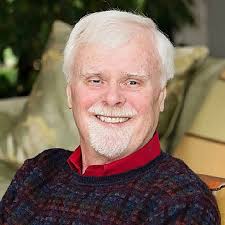
David D. Burns, MD, is an emeritus adjunct clinical professor of psychiatry and behavioral sciences at the Stanford University School of Medicine. His best-selling books, Feeling Good and the Feeling Good Handbook, have sold over five million copies worldwide. His latest book, Feeling Great, is now available on Amazon.com.
Although he was a pioneer in the development of cognitive behavior therapy (CBT), in the past 10 years he has created a more powerful approach called TEAM-CBT. Individuals who attend this workshop will be eligible for Level 1 TEAM certification by the Feeling Good Institute in Mt. View, California.
More than 50,000 therapists have attended his training programs over the past 35 years. His website, www.feelinggood.com, offers many free resources for therapists and clients alike, including his tremendously popular Feeling Good Podcast.
Speaker Disclosures:
Financial: David Burns receives royalties from PESI, Inc. He has no relevant financial relationships with ineligible organizations.
Non-financial: David Burns has no relevant non-financial relationship to disclose.


