Top 5 Tips for Getting Kids Outdoors
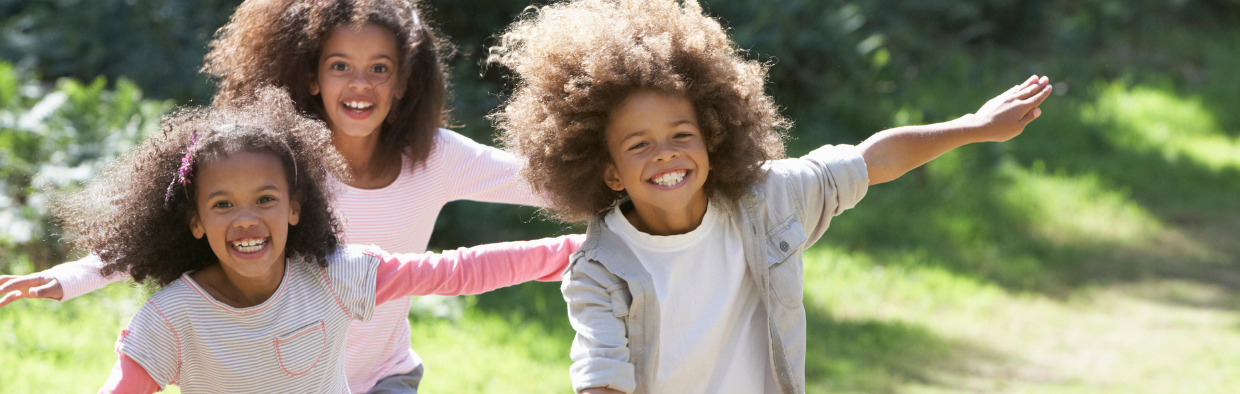
As we know, there are so many health benefits of spending time outside. Not only does regular outdoor play improve physical health and cognitive development, but it also boosts mood by helping reduce stress levels and anxiety. Being outside can actually increase serotonin levels in the brain (a chemical known to produce happiness).
Exploring the outdoors offers children the opportunity to engage in the perfect blend of play, creativity, discovery, and confidence-building as they receive the physical and mental health benefits of exercise, fresh air, sunshine and more!
Not only does spending time together enhance the caregiver-child bond, but it’s a major stress reliver. Being in the outdoors makes it much easier to slow down and be in the moment, and when you’re in the moment, you are less stressed worrying about the past or future. Something as simple as laying in the grass and finding shapes in the clouds together, smelling the various scents in the fresh air, or listening to the birds sing are fun ways to spend time together and fill up your child’s cup. The key is to find activities that you and your little one enjoy doing together and that create joy and laughter—when you are having fun, you will want to continue these happy adventures together.
For more on the physical and mental benefits of going outside, check out the article Nature’s Hidden Gifts: The Health Benefits of Children’s Outdoor Play.
Exploring the outdoors offers children the opportunity to engage in the perfect blend of play, creativity, discovery, and confidence-building as they receive the physical and mental health benefits of exercise, fresh air, sunshine and more!
Start Small
Ask your little one to go for a walk around the block together. Perhaps you could play “I Spy,” or you can point out various aspects of nature you like most. Use your senses—notice things you can see, feel, hear, smell, or taste. It’s all about connecting with the world around you.Head Outdoors Yourself
Unplug and head out to enjoy the great outdoors on your own. Once your kids see you modeling this behavior, they are more likely to want to join you! Again, keep it simple—take indoor activities outside. Sip your coffee or tea, have a snack, read a book or magazine, listen to music —just do it outside!Connect your Child’s Interests and Passions
Do they like science? Head out together to identify some local tree or insect species or check out the stars at night. Do they like to read? Read together under a tree. Do they like sports? Play catch or kick a soccer ball around. Do they like to cook? Start a garden together. Are they social? Invite some friends to go bike riding, for a picnic, or on a hike.Try a New Activity
Check out a national or local park, or head to the slopes to ski or snow tube. You could ask your child what their favorite activity to do at recess is and try it at home. Or, perhaps you could share some fun outdoor games you enjoyed in your childhood. Capture the flag, anyone? How about catching fireflies in the evening or building a fort together? You can find more ideas and resources in my new children’s book Let’s Grow on an Adventure: Finding Calm in the Joy of Nature.Have Fun Together!
This is most important. Whatever you choose to do to get outside, in addition to keeping it simple, be sure to laugh and have fun! When we laugh and enjoy time together in the outdoors with our kids, we trigger our brains to release feel good hormones like endorphins, oxytocin, dopamine, and serotonin.Not only does spending time together enhance the caregiver-child bond, but it’s a major stress reliver. Being in the outdoors makes it much easier to slow down and be in the moment, and when you’re in the moment, you are less stressed worrying about the past or future. Something as simple as laying in the grass and finding shapes in the clouds together, smelling the various scents in the fresh air, or listening to the birds sing are fun ways to spend time together and fill up your child’s cup. The key is to find activities that you and your little one enjoy doing together and that create joy and laughter—when you are having fun, you will want to continue these happy adventures together.
For more on the physical and mental benefits of going outside, check out the article Nature’s Hidden Gifts: The Health Benefits of Children’s Outdoor Play.
Help young clients find calm in the joy of nature

Come along with Jay (and Jasper) and help kids grow their courage, confidence, and self-esteem!
By following alongside Jay and Jasper’s adventure, kids will learn the benefits of getting outdoors, slowing down, and appreciating the beauty of the world around them.
BONUS: At the end of the story, you’ll also find kid-friendly activities and educational facts, making it perfect for use in home, school, or therapeutic settings.
By following alongside Jay and Jasper’s adventure, kids will learn the benefits of getting outdoors, slowing down, and appreciating the beauty of the world around them.
BONUS: At the end of the story, you’ll also find kid-friendly activities and educational facts, making it perfect for use in home, school, or therapeutic settings.
You May Also Be Interested In These Related Blog Posts


