Taming the Wild Things


As a society, we’re obsessed with security, safety, and predictability. As good parents, we tend to think that we should keep our children from ever feeling afraid, upset, or vulnerable.
After all, we have technology for keeping in constant touch with our kids, reassuring them and ourselves that we always have their backs. It makes us and them feel better… so why not use it?
The problem is imposing this amount of attention not only rewards the anxiety but encourages it to consume even more of the child’s life.
Kids need to be problem solvers
In order to grow up, kids need to learn how to improvise when things go awry and take the next step when plans fall apart. Anxiety will come. So will disappointments, grief, and, occasionally, even disaster. Sometimes our imaginations will be enough to make us panic, but sometimes our imaginations are just practice for the real thing.
Children need to learn how to function with anxiety in the passenger seat. When we overprotect them, we deprive them of the practice needed to manage in the world and ensure that anxiety remains in charge.
Teaching kids to manage anxiety is not simply teaching them to relax and feel comfortable. It’s the cognitive shift and new perspective that changes things.
I want kids to know how to interrupt their physical symptoms, because it gives them a chance to reboot for a moment and immediately shows them how malleable this whole anxiety experience really is. When they learn to slow down and shift their bodies’ reactions, they feel capable of shifting their emotional reactions as well. They feel powerful and autonomous—a huge accomplishment for kids who’ve been bossed around by anxiety for so long.
So, in a first session with young, anxious clients, we make a self-hypnosis recording together that teaches them how to calm their bodies.
They learn to send recorded instructions to their bodies to override the demanding voice of anxiety. “You’re like a superhero,” I tell them. “Your superpower is your imagination. In comic books, when people discover their superpowers, they must decide whether to use them for good or for evil. Your imagination, your superpower, was making you feel anxious because that evil worry part was in control. Now you’re going to use that power for good, and you’ll be unstoppable!”
The recurrent theme of anxious families is complete grimness about their situation. Any levity or humor about their truly awful, serious, exhausting, probably unsolvable problem is unthinkable to them. But the little-known secret about anxiety—which it works hard not to reveal—is that it can’t stand being laughed at and tends to shrivel up at the first giggle or joke at its expense.
So, I spend much of my time being a comedian, getting kids and parents to see how silly and puny this monster is. Humor and creativity allow us, as Jay Haley said, “to change the framework of the situation in the spirit of play.”
As counterintuitive as it sounds, to learn to be uncomfortable—and move forward anyway—is the way out of anxiety’s maze. The “cure” for anxiety doesn’t mean the end of anxiety: it means a willingness to try new things, take some risks, and accept anxiety as an inherent part of growing and living.
And parents need to learn to be uncomfortable too—but keep their worries in check so their children can thrive, experiment, and sometimes fail.
As I end my treatment with families, parents often tell me that they can look at events in their family life in a wholly different way. What was once a potential crisis to be avoided at all costs is now seen as a golden opportunity to learn.
—————
Editor's Note: This post was originally published in the 2013 issue of Psychotherapy Networker

Download this free, easy-to-use tool today!
Complete this online course to fulfill the educational requirements you need to advance your career and become a Certified Clinical Anxiety Treatment Professional — Child & Adolescent (CCATP-CA):
Lynn Lyons on Helping Anxious Kids: A Certification Training on Anxiety Treatment for Children & Adolescents.
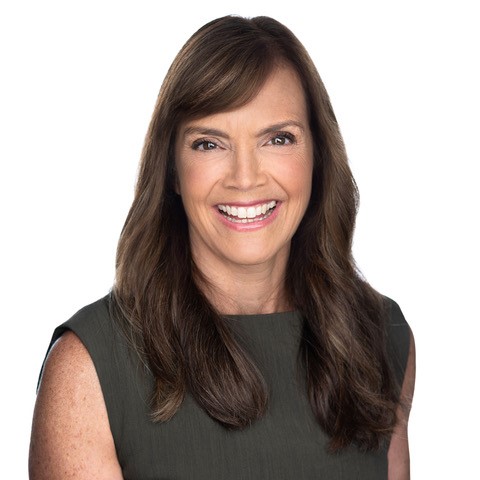
Lynn Lyons, LICSW, is an internationally-recognized psychotherapist, author, and speaker with a special interest in interrupting the generational patterns of anxiety in families.
She is the author of several books and articles, including (with Reid Wilson) Anxious Kids, Anxious Parents and the companion book for kids Playing with Anxiety: Casey's Guide for Teens and Kids. She is the co-host of the popular podcast Flusterclux and has several online programs for professionals, parents, and children.
She maintains a private practice in Concord, New Hampshire where she sees families whenever she's not on the road teaching.
Speaker Disclosures:
Financial: Lynn Lyons maintains a private practice and receives royalties as a published author. She receives compensation as an international presenter. Lynn Lyons receives a speaking honorarium, recording, and book royalties from Psychotherapy Networker and PESI, Inc. She has no relevant financial relationships with ineligible organizations.
Non-financial: Lynn Lyons has no relevant non-financial relationships.


