Stop Telling Your Patients with Dizziness, “I Can’t Help You."

Purple And Yellow Spiral Fractal Image

When you see the diagnosis of "dizziness" come through on your patient's referral, do you cringe or respond with enthusiasm? By the time the patient is referred to physical therapy, they have been through a battering of tests - all coming back negative. They are experiencing debilitating symptoms, and in the worst case scenarios, they are unable to work or live a fully normal life.

For patients with vestibular disorders, they may be experiencing:

  • Vision problems
  • Ear troubles
  • Motion intolerance
  • Memory disruptions
  • Coordination concerns
  • Emotional strains


For some patients, their dizziness may be caused by Benign Paroxysmal Positional Vertigo (BPPV). BPPV causes brief, intense spells of spinning-type dizziness that is brought on by a change in head position. You can diagnose it on the spot by tracking your patient's eye movement. You can even offer your patient immediate relief by quickly and easily treating the BPPV in the office through repositioning maneuvers.

Watch as Bridget Kulick, physical therapist, shows you what to look for when diagnosing BPPV.


Want to unlock the secrets of treating BPPV on the spot with your patients? Watch Bridget Kulick's full video on Vestibular Rehab Evaluation and Treatment.

The Complete Vestibular Rehab Certificate Course

Whether you work in hospitals, rehab centers, home health settings, or skilled nursing facilities, grow your confidence as you gain a deeper understanding of assessment, treatment techniques, patient-specific modifications, and differential diagnosis skills.

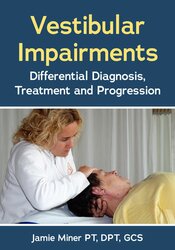
Vestibular Impairments

This course allows participants the ability to progress their patients through the best treatment options and provides great outcomes based on evidence and experience.

The Ultimate Guide to Treating Dizziness, Vertigo, and Vestibular Disorders

Watch Dr. Jamie Miner as she shares a proven framework for rehabilitation that combines today’s best practices with over 25 years of experience helping patients overcome vestibular disorders in hospitals, rehab centers, home health settings, SNFs, and outpatient facilities.

Bridget Kulick PT

Bridget Kulick, PT, is a physical therapist with over 25 years of experience in all types of physical therapy settings throughout the country. She received a Masters in Physical Therapy at Hahnemann University in Philadelphia and holds the APTA Competency Certificates in Vestibular Rehabilitation, Advanced Test Interpretation and Cervicogenic Dizziness. She is currently practicing at a hospital in Green Bay, Wisconsin, where she started their vestibular rehab program 10 years ago. Her experience includes owning a private practice for four years, where she specialized in balance and dizziness disorders, and she was on the Board of Directors for VEDA (Vestibular Disorders Association) for 6 years. She teaches vestibular-related graduate physical therapy courses, and she is a frequent lecturer to physicians, healthcare professionals and the general public about balance and dizziness disorders. She is on an advisory panel for a community-wide falls prevention program, and she has been featured on the radio, television and in the newspaper talking about balance and dizziness disorders.


Speaker Disclosures:
Financial: Bridget Kulick is employed by Aurora BayCare Medical Center. She is a guest lecturer for Concordia University. She receives a speaking honorarium from PESI, Inc.
Nonfinancial: Bridget Kulick is a member of the advisory board and a guest lecturer for Stepping On, a community based program for fall prevention. She is a member of the Vestibular Disorders Association.


Let's Stay in Touch

Get exclusive discounts, new training announcements & more!

You May Also Be Interested In These Related Blog Posts
Professional Psychotherapy Taking Note During Appointment
When Loving Your Work Keeps You from Leaving: The Quiet Crisis of Therapist Retirement
Explore why therapists often delay thinking about ending their careers and get guidance on how to approach retirement as a thoughtful, intentional transition rather than a crisis.
Office Of Therapist
Why the Last Sessions of Therapy Matter More Than You Think
Explore how thoughtfully structured final sessions help consolidate progress, reinforce resilience, honor the therapeutic relationship, and model healthy endings for clients and clinicians alike.
Reflective Mature Woman
Therapist Retirement: Why Letting Go Is Different—and Difficult
Ending a career as a therapist involves far more than ticking a calendar date. Lynn Grodzki LCSW, MCC, Margaret Wehrenberg PsyD examine why letting go of clinical work and a lifelong practice can b...
Eye On The Network Connections
Five IFS Therapy Principles to Support Effective EMDR Trauma Reprocessing
Learn how to integrate Internal Family Systems (IFS) therapy with EMDR to enhance trauma treatment for complex cases.
Professional Psychotherapy Taking Note During Appointment
When Loving Your Work Keeps You from Leaving: The Quiet Crisis of Therapist Retirement
Explore why therapists often delay thinking about ending their careers and get guidance on how to approach retirement as a thoughtful, intentional transition rather than a crisis.
Office Of Therapist
Why the Last Sessions of Therapy Matter More Than You Think
Explore how thoughtfully structured final sessions help consolidate progress, reinforce resilience, honor the therapeutic relationship, and model healthy endings for clients and clinicians alike.
Reflective Mature Woman
Therapist Retirement: Why Letting Go Is Different—and Difficult
Ending a career as a therapist involves far more than ticking a calendar date. Lynn Grodzki LCSW, MCC, Margaret Wehrenberg PsyD examine why letting go of clinical work and a lifelong practice can b...
Eye On The Network Connections
Five IFS Therapy Principles to Support Effective EMDR Trauma Reprocessing
Learn how to integrate Internal Family Systems (IFS) therapy with EMDR to enhance trauma treatment for complex cases.