Self-Regulation and Mindfulness

Have you ever tried to calm a child while they were having a “melt-down”? Do you find yourself using language such as “calm down, take a deep breath” or “you need to stop”?
We know these strategies are typically ineffective—even when they appear to work the result may be primarily coincidental.
The best strategy for addressing the difficult reactions children sometimes present is to not address the reactions at all! That’s right...it is not about the reactions. Our focus needs to be on the response. When the body is quiet, and the child is attentive, that is when we work on their ability to respond to their environment and those around them. In other words, our techniques must be “proactive not reactive!"
That's because it all goes back to our nervous system and our senses. The most effective strategies for helping children self-regulate are simple techniques to improve focus and help manage emotions and senses.
In my new book, Self-Regulation and Mindfulness: Over 82 Exercises & Worksheets for Sensory Processing Disorder, ADHD, & Autism Spectrum Disorder, I show you how to use a systematic approach to addressing the basic needs of children by tapping into their nervous system and enhancing their executive functioning. The book provides a simplistic review of the nervous system, activities, and exercises to meet the needs of the various systems.
Included, are short Self-Regulation And Mindfulness (SAM) stories that help us easily teach school aged children (and even adults!) about self-regulation and mindfulness principles. Here is an example from the book:
Max the Kangaroo
Max lived in a beautiful big open land. Every day, he played and explored. He loved jumping and bouncing all around. However, one day Max’s mother told him he had to go to school. Max was scared. What was school? Even though his mother tried to tell him about it, he was still nervous and afraid. Finally, the day came for Max’s first day at school. “Lots of rooms, desks, chairs, things, and people all around … I don’t know about this!” thought Max.
He met his teacher who showed him his room and where to sit. Max sat at his desk. The chair felt weird, and the lights seemed strange. Max was used to playing in his open field in the beautiful bright sunlight. This all was odd to him, and he felt a little yucky. “Maybe if I stand, I will feel better,” thought Max, so he stood up. But, his teacher quickly said, “Max, please have a seat!” Max sat down, but he still felt yucky. Max decided to lay his head down on the desk and cover his eyes. Soon after, his teacher came over to his desk. “Max, you need to listen to me teach. This is what we do at school,” said his teacher.
Well, Max really felt confused and did not know what to do...
...Find out what happened to Max by downloading his full story. Click here for your free download.
Get all 82+ easy to implement exercises and worksheets for self-regulation & mindfulness when you order my new book today!
 |
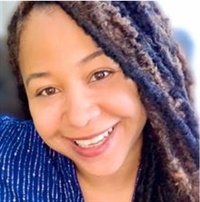
Varleisha D. Lyons (formerly Gibbs), PhD, OTD, OTR/L, ASDCS, is an occupational therapist and author with over 20 years of experience working with children and adolescents diagnosed with Autism Spectrum Disorder, sensory processing disorders and neurological disorders. She developed and founded Delaware’s first occupational therapy program and became the first black indigenous American woman to serve as the Scientific Programs Officer at the American Occupational Therapy Foundation.
Varleisha continues to lecture and provides training on sensory processing strategies and self-regulation to practitioners, parents, and teachers throughout the country and internationally. As co-author of Raising Kids with Sensory Processing Disorders, she has provided families with strategies to understand and care for their children. Dr. Lyons is the developer of the Self-Regulation and Mindfulness program and author of the best-selling book, Self-Regulation and Mindfulness: Exercises and Worksheets for Sensory Processing Disorder, ADHD, and Autism Spectrum Disorder (PESI Publishing & Media). She is the co-author of Trauma Treatment in ACTION: Over 85 Activities to Move Clients Toward Healing, Growth and Improved Functioning (PESI Publishing & Media). Her areas of expertise include neuroanatomy, self-regulation strategies across the lifespan, health inequities, and trauma responsive approaches.
Disclaimer: The views, thoughts, and opinions expressed in this presentation belong solely to the author, and not necessarily to the author's employer, organization, committee or other group or individual. Varleisha D. Lyons PhD, OTR/L is employed by the American Occupational Therapy Association (AOTA). This work is independent of her role and not affiliated with AOTA, Inc.
Speaker Disclosures:
Financial: Dr. Varleisha Lyons has employment relationships with the American Occupational Therapy Association and VDTG, Inc. She receives royalties as a published author. Dr. Lyons receives a speaking honorarium, recording and book royalties from PESI, Inc. She has no relevant financial relationships with ineligible organizations.
Non-financial: Dr. Varleisha Lyons is a member of the American Occupational Therapy Association and the National Black Occupational Therapy Caucus. She serves on the advisory board of George Washington University Programs in Occupational Therapy and is a board member of the National Association for Hearing and Speech Action.


