How to Integrate Nutrition into Mental Health Care


The Connection Between Nutrition and Mental Health
Many clients struggle with poor-quality diets due to food insecurity, lack of nutritional knowledge, or unhealthy habits. As a therapist, you can support clients by:- Educating them on the impact of food choices on mental health.
- Highlighting key deficiencies (e.g., low magnesium or B12) that contribute to anxiety, depression, and cognitive decline.
- Addressing side effects of pharmaceuticals that disrupt nutrient absorption, such as SSRIs or statins.
A Holistic, Personalized Approach
Every individual’s nutritional needs differ due to factors like genetics, cultural background, and health conditions. Personalized care, which considers these factors, is essential. For instance:- Clients from cold climates may benefit from high-fat diets, while tropical populations might thrive on plant-based nutrition.
- Trauma survivors often exhibit disrupted biological rhythms and digestion, requiring tailored interventions.
Practical Steps for Clinicians
- Nutritional Assessment
- Begin with a basic food diary where clients document their meals, moods, and digestive responses.
- Analyze patterns such as skipped meals, excessive sugar or caffeine intake, and hydration levels.
- Educating on Food Quality
- Teach clients to differentiate healthy fats (e.g., omega-3s) from inflammatory trans fats.
- Promote whole, minimally processed foods and eliminate pro-inflammatory options like refined sugars and additives.
- Managing Mood Through Diet
- Encourage regular meals to stabilize blood sugar and prevent mood swings.
- Incorporate foods rich in antioxidants, essential fatty acids, and fibers to reduce inflammation.
- Improving Gut-Brain Health
- Address digestive issues that commonly co-occur with mental health conditions.
- Introduce probiotics (e.g., fermented foods) and prebiotics (e.g., fibers) to nourish the gut microbiome, which influences neurotransmitter production.


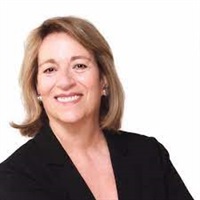
Leslie Korn, PhD, MPH, LMHC, ACS, FNTP, BCTMB, is a renowned integrative medicine clinician and educator specializing in the use of nutritional, herbal and culinary medicine for the treatment of trauma and emotional and chronic physical illness. She is known for her dynamism and humor providing clients effective alternatives to psychotropics. She completed her graduate education in the department of psychiatry and public health at Harvard Medical School and her life training in the jungle of Mexico where she lived and worked alongside local healers for over 25 years. She directed a naturopathic medicine and training clinic facilitating health, culinary and fitness retreats. She is licensed and certified in nutritional therapy, mental health counseling, and bodywork (Polarity and Cranial Sacral and medical massage therapies) and is an approved clinical supervisor. She introduced somatic therapies for complex trauma patients in outpatient psychiatry at Harvard Medical school in 1985 and served Acupuncture and faculty at National College of Naturopathic Medicine.
She is the author of the seminal book on the body and complex trauma: Rhythms of Recovery: Integrative Medicine for PTSD and Complex Trauma, 2nd Edition (Routledge, 2012, 2023); The Brainbow Blueprint: A Clinical Guide to Integrative Medicine and Nutrition for Mental Well Being (PESI, 2023), Nutrition Essentials for Mental Health (W.W. Norton, 2016), Eat Right Feel Right: Over 80 Recipes and Tips to Improve Mood, Sleep, Attention & Focus (PESI, 2017); Multicultural Counseling Workbook: Exercises, Worksheets & Games to Build Rapport with Diverse Clients (PESI, 2015); The Good Mood Kitchen (W.W. Norton, 2017); and Natural Woman: Herbal Remedies for Radiant Health at Every Age and Stage of Life (Shambhala, 2019). She was a founder of the National Certification Board for Therapeutic Massage and Bodywork, a Fullbright scholar in Herbal Medicine and an NIH-funded scientist, in mind/body medicine. She is an approved clinical supervisor and is the research director at the Center for World Indigenous Studies where she designs culinary and herbal medicine programs with tribal communities engaged in developing integrative medicine programs.
Speaker Disclosures:
Financial: Dr. Leslie Korn maintains a private practice. She receives a speaking honorarium and recording royalties from PESI, Inc. Dr. Korn receives royalties as a published author. She has no relevant financial relationships with ineligible organizations.
Non-financial: Dr. Leslie Korn is a member of the Nutritional Therapy Association and Integrative Medicine for the Underserved.


