How Therapists Can Address the Impact of High-Conflict Personality Styles


Here are key considerations and strategies for you can use in your sessions:
Recognize the Nomenclature Challenge
Terms like "narcissistic abuse" or "high-conflict personality styles" are frequently used by clients who have self-educated through online resources, books, or support groups. While these terms resonate with their experiences, you may hesitate to adopt them due to their descriptive rather than diagnostic nature. A helpful alternative is introducing terminology such as "antagonistic relational stress," which frames the behavior rather than labeling individuals. Ultimately, you must balance validating your clients’ language while guiding the conversation toward evidence-based patterns and dynamics.Psychoeducation as a Foundation
WUnderstanding high-conflict personality traits and their relational impacts is central to therapy. Traits like antagonism, emotional dysregulation, entitlement, manipulation, and lack of empathy often characterize these personality styles. Educating your clients on these patterns without necessarily diagnosing the other party can empower them to make sense of their experiences. For instance, you can describe dynamics without using terms like "narcissism," enabling clients to focus on how these behaviors affect them.Emphasize the Client's Experience
Therapy should prioritize the survivor’s perspective and emotional reality rather than attempting to diagnose the absent high-conflict individual. The therapeutic space becomes a sanctuary where clients can process feelings of invalidation, confusion, and devaluation. It’s crucial to frame these experiences as "normal reactions to abnormal circumstances," helping clients understand that their distress is a natural response to prolonged emotional stress.Understand the Spectrum of High-Conflict Styles
Not all high-conflict personalities look the same. Clients might encounter grandiose behaviors (arrogance, attention-seeking) or covert traits (victimization, passive aggression). Some high-conflict individuals are menacing or sadistic, aligning with the "malignant narcissist" profile, while others may exhibit neglectful or emotionally immature tendencies. Recognizing this spectrum allows you to address the unique relational impacts on your clients.Address Cognitive and Emotional Symptoms
Clients affected by high-conflict relationships often present with symptoms resembling trauma or post-traumatic stress. These may include:- Cognitive symptoms: Rumination, confusion, self-doubt, and powerlessness.
- Emotional symptoms: Depression, anxiety, grief, and even suicidal thoughts.
- Physical symptoms: Sleep disturbances, chronic fatigue, and health neglect.
Integrate Trauma-Informed Approaches
Many clients experience emotional abuse akin to trauma. Techniques such as EMDR, somatic therapies, and mindfulness practices can help clients process these experiences and develop resilience. Additionally, addressing systemic factors—such as cultural or intersectional dynamics—ensures a holistic understanding of the client’s challenges.Use Grief as a Framework
High-conflict relationships often involve significant emotional loss. Your clients may grieve unmet expectations, lost time, or the realization that their relationship was not as they hoped. Supporting them through this "ideological grief" helps them acknowledge their feelings and begin to heal.Navigate Ethical and Practical Challenges
As a therapist, you must navigate unique ethical challenges in these cases, including:- Avoiding triangulation when multiple parties attempt to influence the therapeutic process.
- Ensuring confidentiality and safety in high-conflict or potentially abusive scenarios.
- Providing psychoeducation on legal and systemic considerations, especially in cases involving custody battles or divorce.
Validate Without Giving Directives
While it may be tempting to advise clients to leave harmful relationships, the therapeutic role is to empower clients to make their own decisions. This involves helping them explore their feelings, set boundaries, and evaluate their options without imposing personal biases.Build Therapist Awareness and Support
Working with survivors of high-conflict relationships can be emotionally demanding. You should seek your own supervision, consultation, or therapy to process the complexities of this work. Continuous professional development, particularly in areas like domestic violence, personality disorders, and trauma, is essential.Addressing the impact of high-conflict personality styles requires a nuanced, compassionate, and trauma-informed approach. By centering the client’s experience, providing psychoeducation, and adopting a flexible therapeutic framework, therapists can support clients in reclaiming their sense of self and navigating these challenging dynamics. Ultimately, the goal is not only to help clients heal but also to empower them with the tools to thrive beyond the shadow of high-conflict relationships.
Certified Narcissistic Abuse Treatment Clinician (NATC) Training with Dr. Ramani Durvasula

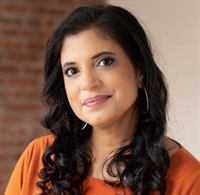
Ramani Durvasula, PhD is a psychologist in California, the founder and CEO of LUNA Education, Training and Consulting, and professor emerita of psychology at California State University Los Angeles. She is The New York Times bestselling author of It’s Not You: Identifying and Healing from Narcissistic People. She is also the author of multiple other books including ”Don’t You Know Who I Am”: How to Stay Sane in the Era of Narcissism, Entitlement and Incivility and Should I Stay or Should I Go: Surviving a Relationship with a Narcissist. She has lectured and trained therapists around the world on best practices on working with clients experiencing narcissistic abuse and has developed a 36 hour virtual training and certification program in conjunction with PESI to train clinicians on how to use an antagonism-informed approach with clients experiencing narcissistic relationships.
Dr. Durvasula hosts a popular YouTube channel with over 2 million subscribers, maintains a program offering support and education to thousands of survivors, and is a featured expert on the digital media platform MedCircle. She also maintains an engaged online network called the Dr. Ramani Network. She has also been widely involved in the governance of the American Psychological Association, including the APA Leadership Institute for Women in Psychology and the APA Minority Fellowship Program. Dr. Durvasula received her MA and PhD degrees in clinical psychology from UCLA and completed her internship and post-doctoral training at the UCLA Department of Psychiatry. She completed her Bachelor of Science degree in psychology, with a minor in sociology in 1988 at the University of Connecticut. She resides in Los Angeles, CA.
Speaker Disclosures:
Financial: Ramani Durvasula is the founder and CEO of LUNA Education, Training, and Consulting and has an employment relationship with the University of Johannesburg. Ramani Durvasula receives royalties as a published author. She receives a speaking honorarium and recording royalties from Psychotherapy Networker and PESI, Inc. She has no relevant financial relationships with ineligible organizations.
Non-financial: Ramani Durvasula is an associate editor for Behavioral Medicine. She is a member of the American Psychological Association, the Association for Psychological Science Society for Behavioral Medicine, and the International Association of Applied Psychology.


