How Grounded Positive Psychology Helps Us Hold Grief, Not Rush It Away

When we sit with grief, the instinct to fix can become a barrier. Grief isn’t a problem to be solved. It’s an experience to be honored.
The shift from “fixing” to “witnessing” is subtle but profound. When we hold space for grief without rushing to change it, we validate our clients’ experience and offer the safety needed for healing. Grounded positive psychology gives us a framework to do just that by helping clients stay rooted while they move through pain toward meaning.
Meaning Is Found in the Aftermath, Not the Event
One of the most powerful things we can help clients understand is that meaning is not found in the loss itself. There is no inherent meaning in a tragic death, a traumatic end, or an unfair outcome. Meaning arises in the life that follows, the actions taken, the relationships deepened, and the compassion cultivated.
It’s important we don’t confuse meaning-making with minimizing pain. When clients feel pressured to find a silver lining, they may suppress their grief. But when they are gently supported to explore how their loss shapes who they’re becoming, they’re more likely to encounter meaning on their own terms.
Let Grief Be Messy and Nonlinear
The well-known five stages of grief were never meant to be prescriptive or linear. In fact, they were originally created to describe the emotional process of those facing terminal illness, not the bereaved. Grief doesn’t follow a timeline. It doesn’t check boxes. It unfolds differently for everyone.
Our job isn’t to move clients through stages. It’s to walk beside them through the chaos. When we stop trying to tidy grief into stages, we allow space for what’s actually there: longing, anger, regret, relief, numbness—and eventually, perhaps, a sense of peace.
Positive Psychology, When Grounded, Enhances Resilience
The “positivity-only” approach often fails our grieving clients. They don’t need quick affirmations. They need acknowledgment. Grounded positive psychology isn’t about glossing over pain. It’s about helping clients stay resourced and resilient as they face the hardest truths of their lives.
That might mean noticing moments of connection, honoring meaningful rituals, or naming small shifts like a moment of laughter or the first full night of sleep. These aren’t signs of moving on; they’re signs of growing around grief.
Help Clients Turn Toward, Not Away
It’s tempting to steer clients away from the discomfort of grief. But turning toward grief is where healing begins. Help them name what’s been lost—not just the person, but their sense of identity, their routines, their imagined future.
In doing so, you’re helping them build a new narrative. Not one that erases pain, but one that weaves it into a meaningful whole.
Your Presence Is the Medicine
You might ask, “So, what should I say?” The truth is, presence matters more than words. Just being there calm and attuned is healing in itself. You’re not there to provide answers. You’re there to remind your client that this pain is survivable and they don’t have to go through it alone.
If your client has lost their sense of hope, don’t rush to replace it. Instead, offer to hold it for them until they can carry it again. Hope doesn’t deny the pain. It coexists with it.
Grief work is sacred work. By witnessing instead of fixing, and by supporting meaning-making without forcing it, we give our clients the greatest gift: the dignity of their own healing process.
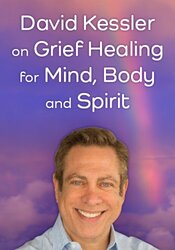
Heal grief with mind-body techniques that combine breathwork, movement, sound, yoga, and more to help find acceptance, resolve guilt, overcome trigger and more.


David Kessler is one of the world’s foremost experts on grief and loss. His experience with thousands of people on the edge of life and death has taught him the secrets to living a happy and fulfilled life, even after life’s tragedies.
He is the author of six books, including his latest bestselling book, Finding Meaning: The Sixth Stage of Grief. He co-authored two books with Elisabeth Kubler Ross, Life Lessons and On Grief and Grieving, updating her 5 stages for grief. He also co-wrote, You Can Heal Your Heart with Louise Hay. He authored Visions Trips and Crowded Rooms: Who and What You See Before You Die. His first book, The Needs of The Dying received praise from Saint (Mother) Teresa.
David’s personal experience as a child witnessing a mass shooting while his mother was dying in a hospital helped him begin his journey. For most of his life, David has taught physicians, nurses, counselors, police, and first responders about the end of life, trauma, and grief. However, despite his vast knowledge of grief, his life was turned upside down by the sudden death of his twenty-one-year-old son.
David’s volunteer work includes being a founding member of Project Angel Food, a well-known and loved non-profit organization. He currently serves on the board of The Farrah Fawcett Foundation which provides cancer research, patient assistance, and prevention efforts. He also serves as Specialist Reserve for the Los Angeles Police as well as having served on the Red Cross’s disaster services team.
He has a new online model of grief support called Tender Hearts with over 25 groups each as well as one of the most respected Grief Certification programs. He is the founder of www.grief.com, which receives millions of visits yearly providing helpful resources to over 167 countries.
Speaker Disclosures:
Financial: David Kessler is the co‑founder and President Emeritus of Project Angel Food. He maintains employment relationships with HSBC – London and Tender Hearts Grief Support Group. He is a published author and receives royalties from his publications, as well as compensation for his work as a lecturer. In addition, David Kessler receives speaking honoraria and recording and book royalties from Psychotherapy Networker and PESI, Inc. He has no relevant financial relationships with ineligible organizations.
Non-financial: David Kessler has no relevant non-financial relationships.


