Helping Kids with a Tricky, Sticky, Picky Brain: Free Checklist of Common OCD Symptoms in Children and Adolescents

Let’s talk about kids who have a tricky, sticky, picky brain, otherwise known as obsessive-compulsive disorder (OCD). In OCD, one’s brain is tricky in that it tries to convince or “trick” people into believing that certain things are true when they aren’t. It’s sticky in that there are thoughts and urges that seem to get “stuck” in their head, and it’s difficult to get those thoughts and urges to stop bothering them. It’s picky in that it’s very specific in terms of what it wants, and it often pesters them until things are a very particular way.
See, when someone has OCD, their brain works a little differently. It tends to get stuck on bothersome thoughts, images, or urges that often cause anxiety or other unpleasant emotions. These sticky thoughts, which are known as obsessions, keep coming back over and over again, but the person can’t stop thinking about them. Obsessions can be worrisome, upsetting, scary, or annoying. For example, someone may have obsessions about being “contaminated,” leading them to obsess over germs, dirt, and cleanliness. Or they might have obsessions about being moral, so they’ll worry about always doing the “right” thing.
Further, people with a tricky, sticky, picky brain tend to engage in certain behaviors or rituals to feel better. For example, someone with obsessions about germs and cleanliness may wash their hands repeatedly or sterilize things in an attempt to decrease anxiety about being “contaminated.” Or someone with obsessions about morality might seek reassurance from others about whether they did something wrong. These behaviors are known as compulsions, and they are tricky in that they actually have the opposite effect and make things worse.
Unfortunately, symptoms of obsessive–compulsive disorder (OCD) in children and adolescents often go unrecognized or are misdiagnosed as other difficulties. Children may have limited insight into their symptoms, struggle to articulate their thoughts, or they may actively conceal their rituals due to feelings of shame or a fear of negative evaluation. As a result, clinically-significant OCD symptoms may go undetected, which delays appropriate intervention.
In this free download from my book What to Do if You Have a Tricky, Sticky Picky Brain: Cognitive Behavioral Strategies to Help Kids with Obsessive Compulsive Disorder, I provide a thorough checklist of common OCD symptoms that can be used in clinical practice with children and adolescents. My hope is that this list of symptoms will help children and clinicians recognize symptoms of OCD, which in turn will serve to normalize and destigmatize these challenges and help kids realize they are not alone.
This comprehensive checklist is designed to support therapists and clinicians in the systematic identification and recognition of OCD symptoms in children and adolescents across a broad range of common symptom dimensions. It may be used flexibly within clinical practice, including during intake evaluations, diagnostic assessments, treatment planning, and ongoing symptom monitoring. The checklist can also aid in psychoeducation, enhance case conceptualization, and support evidence-based treatment approaches.
So, I hope you enjoy this FREE resource to use in your clinical practice. If you find it helpful, then I encourage you to check out my new book, What to Do if You Have a Tricky, Sticky, Picky Brain: Cognitive Behavioral Strategies to Help Kids with Obsessive Compulsive Disorder, which is jampacked with tons of resources, just like this one, that are designed to support you in your work with children and teens with OCD!
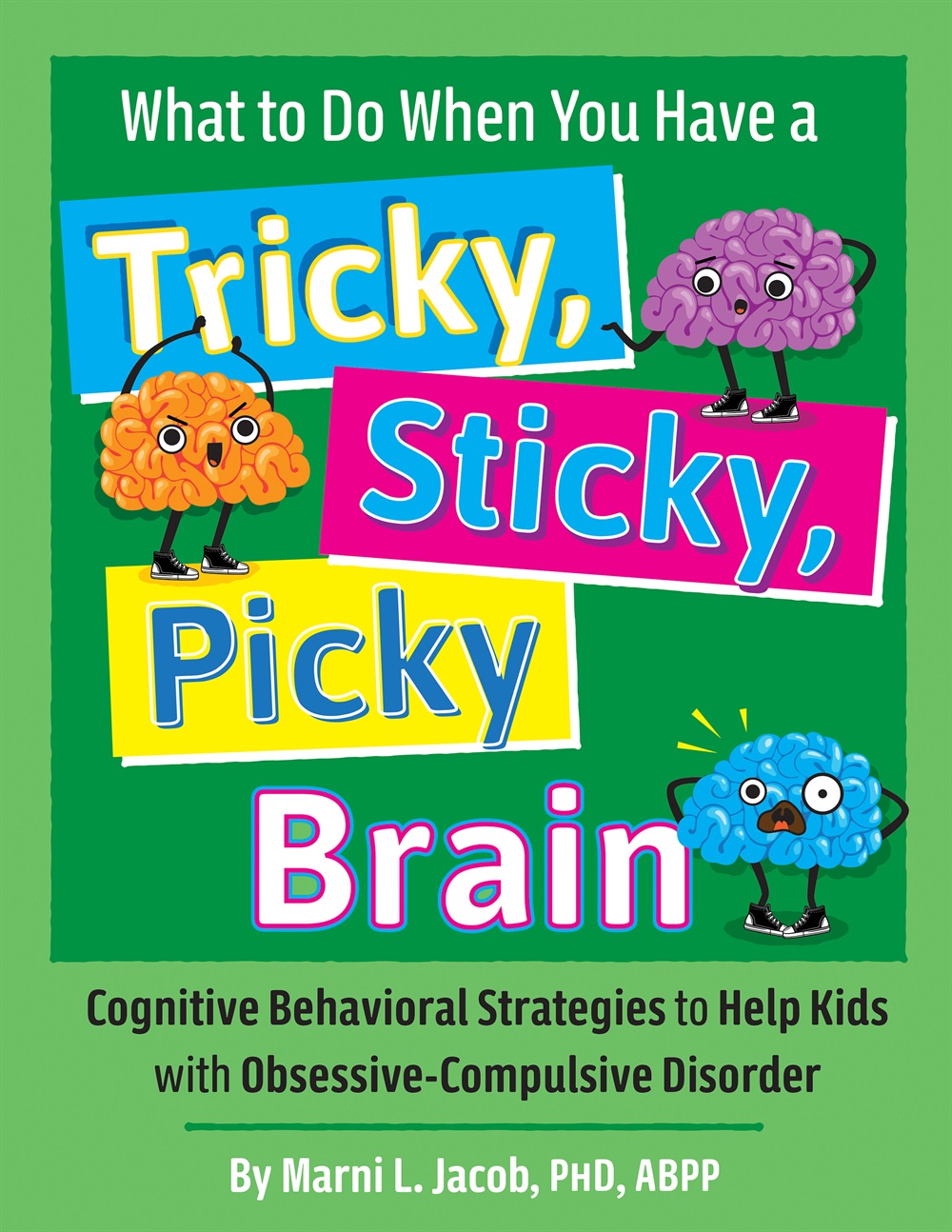
Intended for kids aged 8-13, it is filled with exercises, worksheets, and tools to help kids recognize common thinking traps, stop giving in to compulsions, and replace both with real strategies that will help them find relief.

Learn gold-standard treatments including Exposure Ritual Prevention, Habit Reversal Therapy & more, for OCD, Tics, Tourette's, ADHD and related conditions.


