
Money Anxiety
Tools from SFBT and CBT for Individuals and Couples
- Speaker:
- Kristy L. Archuleta, PhD, LMFT, CFT™
- Duration:
- 6 Hours 20 Minutes
- Format:
- Audio and Video
- Copyright:
-
Jan 15, 2026
- Product Code:
- POS150531
- Media Type:
- Digital Seminar

Description
- Easy-to-use strategies to ease your client's money anxiety
- Get scripts, worksheets, and interventions to help clients explore financial fear
- Open up conversations about finances - without shame, discomfort, or judgment
- Shift couples who fight about money from blame to shared values and repair
- Tools to treat the emotional drivers behind impulsive spending
- Repair damaging internalized messages like "I'm bad with money"
Clients bring it into the room – whether they say the word “money” or not.
You’ve seen it – overspending to self-soothe, chronic financial conflict between partners, and shame tied to debt, fear, or scarcity.
Financial distress is skyrocketing, driven by inflation, debt, and the pressures to keep up.
And still, it rarely makes it onto the treatment plan.
That’s a problem … because money isn’t just about what’s in the bank.
It’s about: Safety. Power. Identity. Worth.
What if talking about money felt as natural, and necessary, as talking about trauma or anxiety?
Join Kristy L. Archuleta, PhD, LMFT, certified financial therapist and co-editor of the seminal book Financial Therapy: Theory, Research, and Practice, for this comprehensive training packed with evidence supported strategies drawn from the emerging field of financial therapy.
You’ll increase your confidence working with clients on money matters as you get practical assessments, effective interventions, and financial health tools to:
- Help clients within a solution-focused framework, whether their distress comes from intergenerational money issues, childhood poverty, or acute financial setbacks
- Guide couples to share money goals and values with genograms that highlight roles, power dynamics, and financial decisions
- Provide tools like a spending plan and financial ratios to shift your clients – all within your scope of practice
No spreadsheets or calculators here – just therapeutic tools you can use to change your clients’ relationship with money to ease their anxiety and form healthy habits.
No matter your clinical focus, this training will enhance your practice because so many clients have issues surrounding money – REGISTER TODAY!
Credit
Speaker
Kristy L. Archuleta, PhD, LMFT, CFT™ Related seminars and products
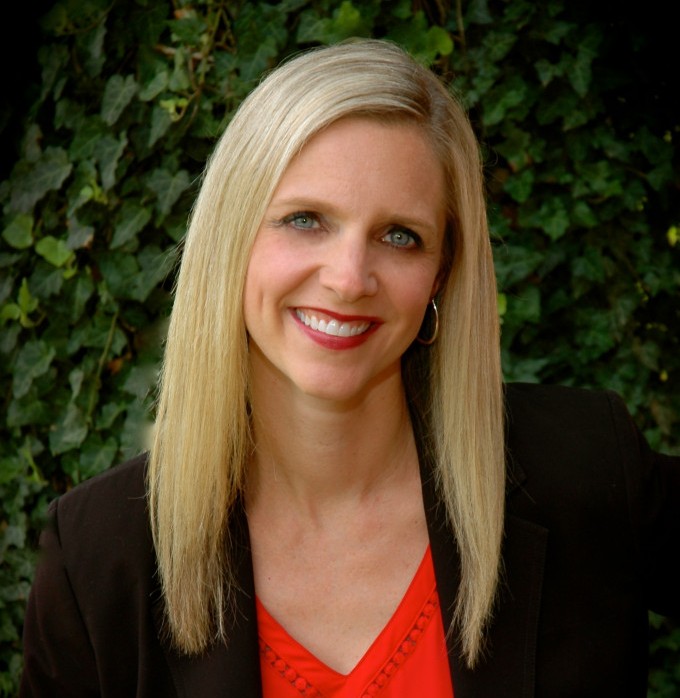
Kristy L. Archuleta, PhD, LMFT, CFT™ is a professor in the financial planning program at the University of Georgia, where she holds the Betsy Barnard Sages Endowed Professorship for Financial Therapy and Financial Planning. She co-founded the Financial Therapy Association, Journal of Financial Therapy, the nation’s first academic program in financial therapy, Financial Behavior Keynote Group, and Women Managing the Farm. She has published three books and numerous scholarly, peer-reviewed articles. Dr. Archuleta serves on the board of directors for the National Association of Personal Financial Advisors, NAFPA Foundation, the Financial Therapy Clinical Institute, and two editorial review boards. When it comes to the topic of financial therapy and psychology of money, she is commonly asked to speak, is featured on podcasts and in major news outlets, and has won awards for her cutting-edge research and teaching, including FTA’s Hall of Fame Award.
Speaker Disclosures:
Financial: Kristy Archuleta has an employment relationship with the University of Georgia and serves as a research team member for the Family Finance Renaissance Research Retreat. She receives royalties as a published author. She has received grants from the Foundation for Financial Planning and the University of Georgia Office of Online Learning. Additionally, she receives a speaking honorarium from PESI, Inc. Kristy Archuleta has no relevant financial relationships with ineligible organizations.
Non-financial: Kristy Archuleta serves on the Board of Directors for the National Association of Personal Financial Advisors and on the Certification Committee for the Financial Therapy Association. She is a member of the National Association of Personal Financial Advisors, the American Association for Marriage and Family Therapy, the Association for Financial Counseling and Planning Education, the Financial Therapy Association, and the Financial Planning Association.
Additional Info
Access for Self-Study (Non-Interactive)Access never expires for this product.
For a more detailed outline that includes times or durations of time, if needed, please contact cepesi@pesi.com.
Questions?
Visit our FAQ page at www.pesi.com/faq or contact us at www.pesi.com/info
Objectives
- Analyze the relationship between financial concerns and mental health issues.
- Evaluate clients’ financial stress and money-related values to inform treatment interventions.
- Choose CBT and solution-focused interventions centered on money-related beliefs and behaviors to decrease financial stress and anxiety.
- Identify the role money plays in family relationships by creating a financial genogram.
- Select appropriate financial literacy psychoeducation within scope of practice.
- Evaluate the existing research on financial therapy interventions.
Outline
The Cost of Money Anxiety
Causes and Contributors
- Money scripts, habitudes, disorders, and mindsets
- Unconscious beliefs and biases
- Scarcity mindset and history of deprivation
- Financial socialization and shame
- The role of poverty and chronic stressors
- Inflation, cost of living increases, and the burden of long-term debt
- Financial anxiety in the face of adequate finances
- Sudden financial setbacks and acute financial stress
- Gig economy and the changing landscape of employment
- Intergenerational money issues
Assessment Tools
It’s All About the Money
- The importance of a trauma-informed lens
- How to bring up the topic of money
- Understand clients’ money values
- Overspending, hoarding, gambling, and other red flags
- Financial stress and well-being scales
- Financial genograms
- Money in relationships – dependency and enmeshment
- Screening for suicidality, substance misuse, sleep issues
- Common related mental health diagnoses
- Differential diagnosis concerns
Treatment Strategies to Improve Clients’ Relationship with Money
Making a Living or Making a Life
- In-the-moment stress management tools for financial worry
- Goal-setting with solution-focused interventions
- Build confidence and motivation with scaling and small steps
- “I’m just bad with money” – CBT for unhelpful beliefs
- Decrease financial anxiety-related social isolation
- Improve clients’ financial literacy
- Teach clients to create a spending plan and track expenses
- Strengthen clients’ knowledge about credit
- Empower clients to know their net worth
- Financial ratios tools for clients to self-assess financial status
- Circular questioning to increase insight within the family system
- Decrease family financial conflict by identifying shared goals and values
- Guide decisions about pooled versus separate finances for couples
Additional Clinical Issues
A Penny Saved is a Penny Earned
- Self-of-the-therapist issues
- Manage therapist discomfort about money
- Referral to and collaboration with financial professionals
- Financial therapy resources
- Scope of practice issues
- Cultural considerations and context
- Limitations of the research & potential risks
Target Audience
- Counselors
- Addiction Counselors
- Social Workers
- Marriage and Family Therapists
- Psychologists
- Psychiatrists
- Psychotherapists
- Other Mental Health Professionals



Reviews
Satisfaction Guarantee
Your satisfaction is our goal and our guarantee. Concerns should be addressed to: PO Box 1000, Eau Claire, WI 54702-1000 or call 1-800-844-8260.
ADA Needs
We would be happy to accommodate your ADA needs; please call our Customer Service Department for more information at 1-800-844-8260.
PESI Mobile App
Access CE trainings on your phone or tablet through our free mobile app. Choose video or audio-only versions of online courses from the world’s best instructors, and complete your CE requirements anywhere, anytime, at your own pace.




Please wait ...