
Foundational Somatic IFS Therapy Workshop
Treat Trauma with an Embodied Parts Work Approach
- Speaker:
- Marcella Cox, LMFT, CEDS-C
- Duration:
- 12 Hours 28 Minutes
- Format:
- Audio and Video
- Copyright:
-
Feb 26, 2026
- Product Code:
- POS150569
- Media Type:
- Digital Seminar

Description
- 5 core somatic practices to address burdens of trauma
- How inner parts use the body to protect or tell their story
- Clear step-by-step instructions
- For newcomers or experienced practitioners
IFS therapy has transformed trauma treatment giving clients a better way to heal from their emotional wounds.
But trauma also lives in the body. And their parts use the body to protect or tell their story …
… chronic tension from parts that constantly feel threatened. Suppressed or scared parts expressing themselves as unexplained physical pain.
That’s where somatic parts work comes in.
Because with it you can work with parts that can keep clients stuck in trauma’s grasp PLUS safety access and release the trauma burdens stored in their bodies.
You can start using an integrative parts work and body-based approach in your practice.
Watch Marcella Cox a level 3 trained IFS therapist on the teaching staff of Susan McConnell, developer of Somatic IFS.
She’ll make it easy to integrate somatic therapy elements from movement, breathwork and more with the flow of the Internal Family Systems (IFS) modal and give you instantly usable techniques so you can:
- Help clients integrate different parts into a cohesive whole
- Deepen clients’ understanding of how internal parts interact with bodily experiences
- Use somatic methods to access and safely release trauma held in the body
- Strengthen clients’ ability to cope with stress through enhanced mind-body resilience
- And much more!
So don’t wait to start using a somatic parts work approach that will transform your practice and your clients’ lives.
Purchase now and save your spot!
This product is not endorsed by, sponsored by, or affiliated with the IFS Institute and does not qualify for IFS Institute credits or certification.
Credit
Speaker
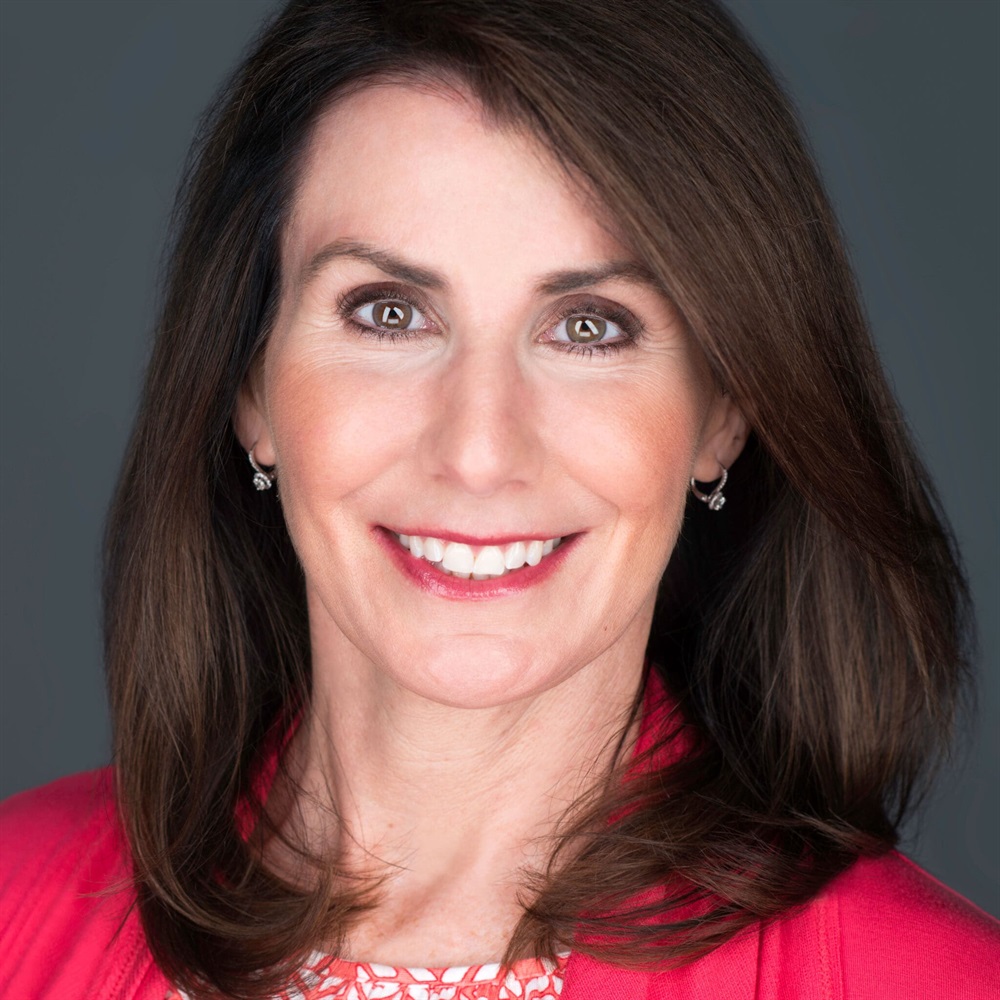
Marcella Cox, LMFT, CEDS-C Related seminars and products
Kindful Body
Marcella Cox, LMFT, CEDS-C, is a therapist, author, and speaker who has dedicated her career to treating eating disorders, disordered eating, body shame, and trauma. She is a Level 3 trained IFS therapist and on the teaching staff of Susan McConnell, developer of Somatic IFS, an approach that blends the IFS model of therapy with embodiment practices. Marcella trains and supports clinicians in utilizing IFS and Somatic IFS through professional consultation, workshops, trainings and retreats. She is committed to creating a safe, inclusive, and empowering learning environment where participants can explore the transformative potential of Somatic Parts Work. Her certifications as a body trust specialist, Safe and Sound protocol provider, mindful self-compassion teacher, as well as her studies of Somatic Experiencing inform her work. She recently contributed the chapter on IFS and disordered eating in Altogether Us: Integrating the IFS Model with Key Modalities, Communities, and Trends (Pivotal Press, 2023). Marcella is also founder of Kindful Body, providing online therapy and nutrition counseling for eating and body issues in California.
Speaker Disclosures:
Financial: Marcella Cox maintains a private practice and has employment relationships with IFS Consultation Collective and Kindful Body. She receives a speaking honorarium and recording royalties from PESI, Inc. She has no relevant financial relationships with ineligible organizations.
Non-financial: Marcella Cox is a member of the California Association of Marriage and Family Therapists and the International Association of Eating Disorders Professionals.
Additional Info
Access for Self-Study (Non-Interactive)Access never expires for this product.
For a more detailed outline that includes times or durations of time, if needed, please contact cepepesi.com
Questions?
Visit our FAQ page at www.pesi.com/faq or contact us at www.pesi.com/info
Please Note
This product is not endorsed by, sponsored by, or affiliated with the IFS Institute and does not qualify for IFS Institute credits or certification.
Objectives
- Define two basic assumptions of the IFS model and its non-pathological approach.
- Identify 3 types of parts in the IFS model.
- Examine the potential risks, contraindications, and other considerations associated with using the IFS model.
- Identify challenges and limitations in the existing research into the IFS framework.
- Examine the preliminary evidence supporting the effectiveness of body-oriented trauma therapy in reducing PTSD-related symptoms.
- Choose techniques that combine top-down and bottom-up processing in treating trauma
- Utilize somatic awareness in working with their own parts and their client’s parts.
- Use conscious breathing skills to develop a relationship with their own therapist parts and their client’s parts.
- Determine how mindful movement can allow interrupted developmental phases of yield, push, reach, grasp and other stuck patterns to be released.
- Examine how attuned touch physically, imaginally, with nature and voice can support building relationships with protectors and exiles, as well as with the unburdening process.
- Identify two risks and benefits of the use of ethical touch in psychotherapy.
- Identify 2 ways embodied Self energy can support the Somatic IFS approach to healing trauma.
- Identify risks and potential limitations of somatic techniques in the treatment of trauma.
Outline
Day 1
Overview of the IFS Model
- Key assumptions of the IFS model
- Explore protective and vulnerable parts
- The self and its role in healing
- The concept of burdens and how they manifest physically
- The role of protectors and exiles in the body
- The flow of the model
- Research, risks and treatment limitations
Introduction to Somatic IFS
- Somatic IFS overflow
- Key concepts of the model
- Benefits of Somatic IFS
- Research, risks, and treatment limitations
Integrate Somatic Awareness into the Somatic IFS Model
- The language of somatic awareness
- The three dimensions of awareness
- Therapist use of somatic awareness
- Working with parts and self
- The process of witnessing
- Somatic awareness experiential exercises
Integrate Conscious Breathing into the Somatic IFS Model
- Therapist use of conscious breathing
- Polyvagal Theory and conscious breathing
- Breathing and parts
- Conscious breathing experiential exercises
Day 2
Radical Resonance in the Therapeutic Process
- About radical resonance
- Therapist use of radical resonance
- Resonance communication physiology
- Address attachment wounds
- Radical resonance experiential exercises
Integrate Mindful Movement into the Somatic IFS Model
- About mindful movement and therapist use
- Protectors and movement
- Restore flow and healing trauma
- Mindful movement experiential exercises
Attuned Touch in the Therapeutic Process
- About attuned touch and therapist use
- Ethical considerations and safety protocols
- Experiential exercises
- How trauma can affect touch
Embodied Self-Energy: The Core of Transformation
- Beyond the 5 Practices
- Qualities of self
- Self-leadership
- Unburdening and self-like parts
- Experiential Exercises
The Somatic IFS Therapist
- Embodied presence and attunement
- Track verbal and nonverbal communication
- Cultivate curiosity and compassion
- Address therapist’s own burdens
- Establish body time
- Skilled communication and integration
Target Audience
- Counselors
- Social Workers
- Marriage and Family Therapists
- Psychologists
- Addiction Counselors
- Nurse Practitioners
- Physicians
- Others in caring profession



Reviews
Satisfaction Guarantee
Your satisfaction is our goal and our guarantee. Concerns should be addressed to: PO Box 1000, Eau Claire, WI 54702-1000 or call 1-800-844-8260.
ADA Needs
We would be happy to accommodate your ADA needs; please call our Customer Service Department for more information at 1-800-844-8260.
PESI Mobile App
Access CE trainings on your phone or tablet through our free mobile app. Choose video or audio-only versions of online courses from the world’s best instructors, and complete your CE requirements anywhere, anytime, at your own pace.




Please wait ...