When the Unthinkable Happens


The devastating event in Waukesha is one of many tragedies in our country that has directly impacted children. And regardless of the type or size of a tragic event, it can be incredibly difficult to know how to respond when a child is involved, whether directly or indirectly. Here are 5 ways to mindfully approach and work through this difficult topic with children:
1. Connect With Your Child
- Communicate and listen: Take time to discuss the event with your child. Be factual and use concrete language, but consider the details of your answers based on the child’s age and their proximity to the event. Preschool-aged children require less detail, whereas school-aged children may be more curious and need more in-depth explanations of the event. Children who are indirectly exposed to the event (those who may hear about it on the news or at school) may require less processing or detail than a child who was directly exposed to the event. Regardless of age or proximity, use reflective listening to follow your child’s lead, validate your child’s experience, and be gently curious about their thoughts and feelings.
Observe: Assess how your child feels about the event by directly observing. Because children may not always be able to articulate their feelings, it can be helpful to monitor behavioral changes, including changes in sleep, mood, eating, social patterns, or physical symptoms to have a better gauge on how they’re managing.
Check in: Over time, continue to check in directly with your child or continue to observe how they’re doing. Help remind your child that they are safe in this moment. Set aside intentional and uninterrupted time to spend connecting with your child each day.
Note: It is important to consider that children who have a history of trauma or who are emotionally sensitive may have higher levels of emotional activation when experiencing or hearing news about tragic events.
2. Care For Yourself
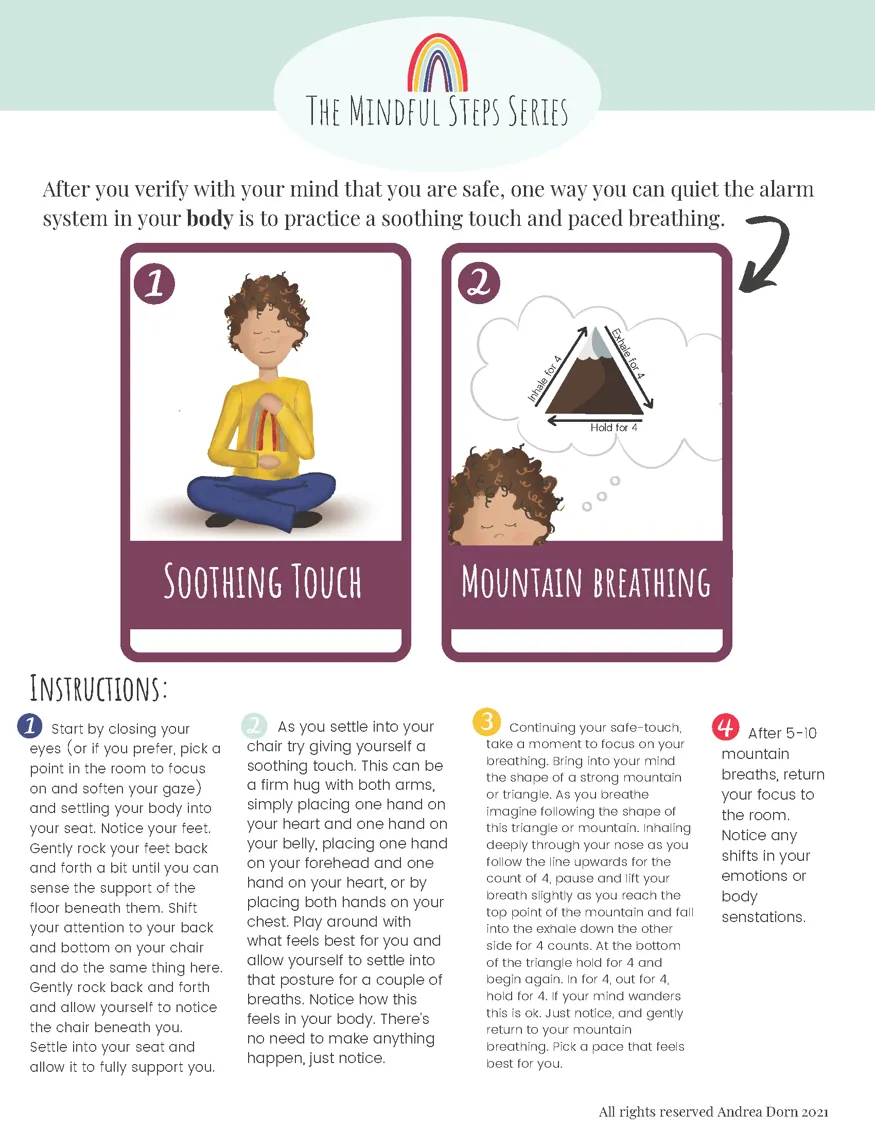
- It is difficult to take care of others when you are not feeling well yourself—therefore, one of the most important ways we can help our children through tragedy or grief and loss is to take care of ourselves. If you have experienced trauma or are grieving alongside your child, caring for a bereaved child, or struggling to understand or work through the news of a recent tragic event, do your best to make time to care for yourself in whatever way feels right for you. Even a brief moment to pause and intentionally connect with your breath can improve your ability to regulate tricky emotions and stay present in your role as a caregiver.
3. Let Go of Expectations
- The reality of trauma and grief and loss is that there is no “right” way to process or grieve. Grief and trauma are different for everyone and are anything but a linear process. They take us on a journey that ebbs and flows and can cause big feelings at the most confusing (and sometimes inconvenient) of times. If you can, invite yourself to let go of any expectation that processing grief or trauma should happen on a specific timeline. Attempt to meet yourself and your child wherever you are in the moment with acceptance and compassion.
4. "If Trauma is Chaos, Structure is Healing."
- Tragic events are always accompanied by trauma. It is important to note that trauma refers to a person’s response to an adverse experience. What may be traumatic for one person may not be for another and vice versa. The concept of “structure is healing” is one of my favorites from Trauma-focused Cognitive Behavioral Therapy, a widely used modality for the treatment of children exposed to trauma. This idea refers to the importance of creating or maintaining routine and consistency after a traumatic event.
Try to continue your and your child’s routine as best as you can. This includes maintaining normal boundaries and rules. Though you may allow for some flexibility, try to proactively offer flexibility in the form of choices. Creating and maintaining consistency increases the ability to have a sense of “felt-safety”—the ability to truly feel safe—during what can feel like an unpredictable time.
5. If Needed, Reach Out for Help
- Sometimes it can be helpful to seek extra support from a therapist or other community professional who can provide you or your child with a safe place to process feelings associated with trauma and grief.

Written and illustrated by a therapist (and mother), Andrea Dorn, MSW, When Someone Dies walks children through the bereavement process in a simple, concrete, and developmentally appropriate way. Through the lens of mindfulness, children will learn how to say goodbye, make space for any emotions that arise, and work through their grief.

Andrea Dorn, MSW, LISW-CP, is a mom and licensed clinical social worker who works as a psychotherapist with adults and children of all ages. The Mindful Steps series was created as a culmination of her interest and background in mindfulness as well as behavioral and attachment theories. Andrea is dedicated to helping young minds and their families navigate the big and small changes that come with child development by encouraging mindfulness and emotional connection.
Speaker Disclosures:
Financial: Andrea Dorn maintains a private practice. She receives a speaking honorarium and product royalties from PESI, Inc. She has no relevant financial relationships with ineligible organizations.
Non-financial: Andrea Dorn has no relevant non-financial relationships.


