The 3 Rs of Anxiety Management for Children


One such technique that I use consistently with kids, teens, and parents is the 3 Rs of anxiety management. This intervention is essentially a skill set that I teach for families to gain a solid understanding of what anxiety actually is… and isn’t… and how anxiety affects the body and mind.
Recognize
The first R is to Recognize when anxiety strikes, including the form it takes in a particular child. For example, does the child begin worrying and asking for reassurance, or do they complain of a stomachache? An important part of recognition involves helping kids and their caretakers recognize that anxiety is primarily chemical. This means we need to teach children that brain chemicals can convince them that a worry is factual or inevitable when it isn’t. Similarly, anxiety persuades kids to believe that their stomach discomfort warrants medical attention (or at least a day off from school to recover!) For this reason, the recognition of anxiety means understanding that despite very real distress, the symptoms are based on elevated brain chemistry and do not represent actual events.Relax
The second R of anxiety management is teaching children… and caretakers… to Relax. Relaxation is typically a big challenge for anxious kids because they often feel overwhelmed by their anxiety-based thoughts and bodily complaints. Both initially and intermittently, young kids will need relaxation assistance from a trusted caretaker or therapist who can help them to take some slow, deep breaths, stretch, and perhaps find something soft like a favorite blanket. When teaching kids to relax, it’s equally important to teach their adults similar effective self-regulation strategies—so they can keep their own anxiety at bay while maintaining the child’s distress.Redirection
Finally, the third R is Redirection, and it can take one of two forms. If the child’s anxiety manifests as a potentially realistic concern, such as the fear of failing a test, then redirection should be a practical solution, such as creating a study plan. However, if such a plan is already in place and having little impact on reducing anxiety, or if the anxiety is unrealistic or somatic in nature, then redirection should take the form of a distraction. Distraction can be any engaging physical activity, such as a playing a game, going for a bike ride, or jumping rope. Alternatively, the distraction can be a form of entertainment, such as watching a show; however, care should be taken to limit technology as the go-to distraction, as it may not always be available and may limit the child’s capacity to develop other methods. Keep in mind that redirection can also be mental/cognitive, such as encouraging a child to imagine how they’d like to redesign their bedroom or think about what kind of snacks they should bring to an upcoming school event.Like any skill, the 3 Rs require practice beyond the office, such as at home, school, and any other frequented environment. I also am careful to continually help a child’s caretakers self-regulate in follow-up sessions so that they can maintain as relaxed a composure as possible during times of the child’s heightened distress. The more that kids—and their caretakers—can regularly initiate use of the 3 Rs, anxiety will certainly have a much less negative impact on a child’s quality of life.

In The Essential Guide to Treating Child and Adolescent Anxiety, clinicians will find an integrative, whole-family approach for treating the most common anxiety-related issues in childhood, including school fears, social anxiety, excessive worry, separation anxiety, and more. Drawing from cognitive behavioral, family systems, and client-centered therapies, this book provides over 75 handouts, worksheets, scripts, and tips to help you navigate the most common treatment obstacles so you can empower anxious children and their parents to live healthier, happier lives.
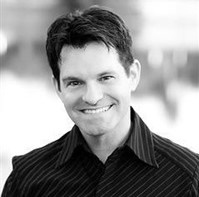
Steve O’Brien, PsyD, is a clinical psychologist with over 30 years of experience working with children, adolescents, young adults, and families in his Clearwater, Florida practice. He is a respected national consultant for mental health professionals seeking guidance on the treatment of anxiety and mood disorders, ADHD, Autism Spectrum Disorders, and adjustment challenges in divorced and blended families.
Since 2017, Dr. O’Brien has provided continuing education and professional training for mental health clinicians, focusing on evidence-based interventions for anxiety, depression, and neurodevelopmental disorders in youth. He is the author of The Essential Guide to Treating Childhood and Adolescent Anxiety, a clinical manual designed to enhance treatment outcomes.
His integrative-systems approach combines CBT, interpersonal techniques, and exposure/desensitization strategies, all tailored to the developmental needs of young clients and their families. Intensive parent consultation—emphasizing psychoeducation, communication skills, and behavior modification—is a cornerstone of his therapeutic work.
Dr. O’Brien has worked in numerous healthcare environments, including community mental health, psychiatric, inpatient/residential, substance abuse, and medical facilities. He also served as associate professor of child-adolescent studies at the Florida School of Professional Psychology. In addition to his clinical work, Dr. O’Brien is an app developer (Life@Home by Psychtouch.com) and a frequent guest on local news outlets for his expertise on childhood anxiety. Visit obrienpsychology.com for more information.
Speaker Disclosures:
Financial: Dr. Steven O'Brien maintains a private practice. He receives a speaking honorarium, recording and book royalties from Psychotherapy Networker and PESI, Inc. He has no relevant financial relationships with ineligible organizations.
Non-financial: Dr. Steven O’Brien is a member of the American Psychological Association and the Florida Psychological Association.


