Teaching Kids About Healthy Friendships & Boundaries
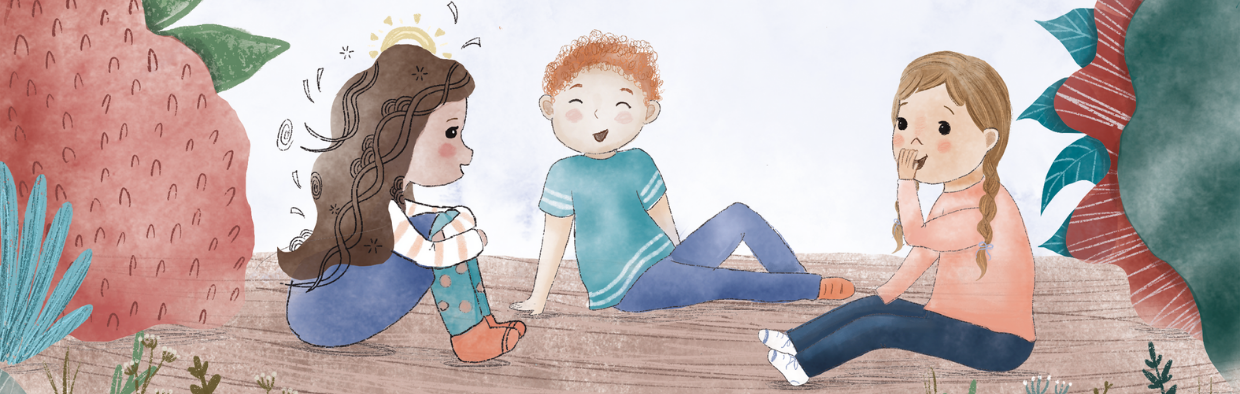

One of our fundamental human needs is connection. We can see this in our children from birth as they crave our warmth, touch, and love. As our children grow, their engagement in relationships evolves as well from parallel play with their toddler peers to collaborative imaginative play with their elementary-aged friends. Witnessing our children make friends and feel confident in their relationships is one of those parenting experiences that makes our hearts swell.
But sometimes we recognize that our children are in prickly friendships where their friend does not always treat them as we would hope, and our children begin to feel unsure and doubt themselves.
Kids are now heading back to school in person after a year of virtual learning. The usual challenge of navigating friendship ups and downs will be even harder. This has left many parents wondering how we can support our children and protect them from negative interactions and unbalanced friendships.
One way is to teach our children the important skill of boundary setting. Research relates the ability to set and hold boundaries with better self-love, self-care, self-worth, and assertiveness!
Help kids handle tough issues with confidence with these complementary age-specific worksheets on healthy friendships and boundaries! Ideal for back to school prep, these worksheets make it easy to begin the conversation, especially as they offer the language to describe and define friendships and boundary setting. Pair these worksheets with a bonus coloring sheet, and kids are sure to have fun while learning how to set healthy boundaries with their peers.
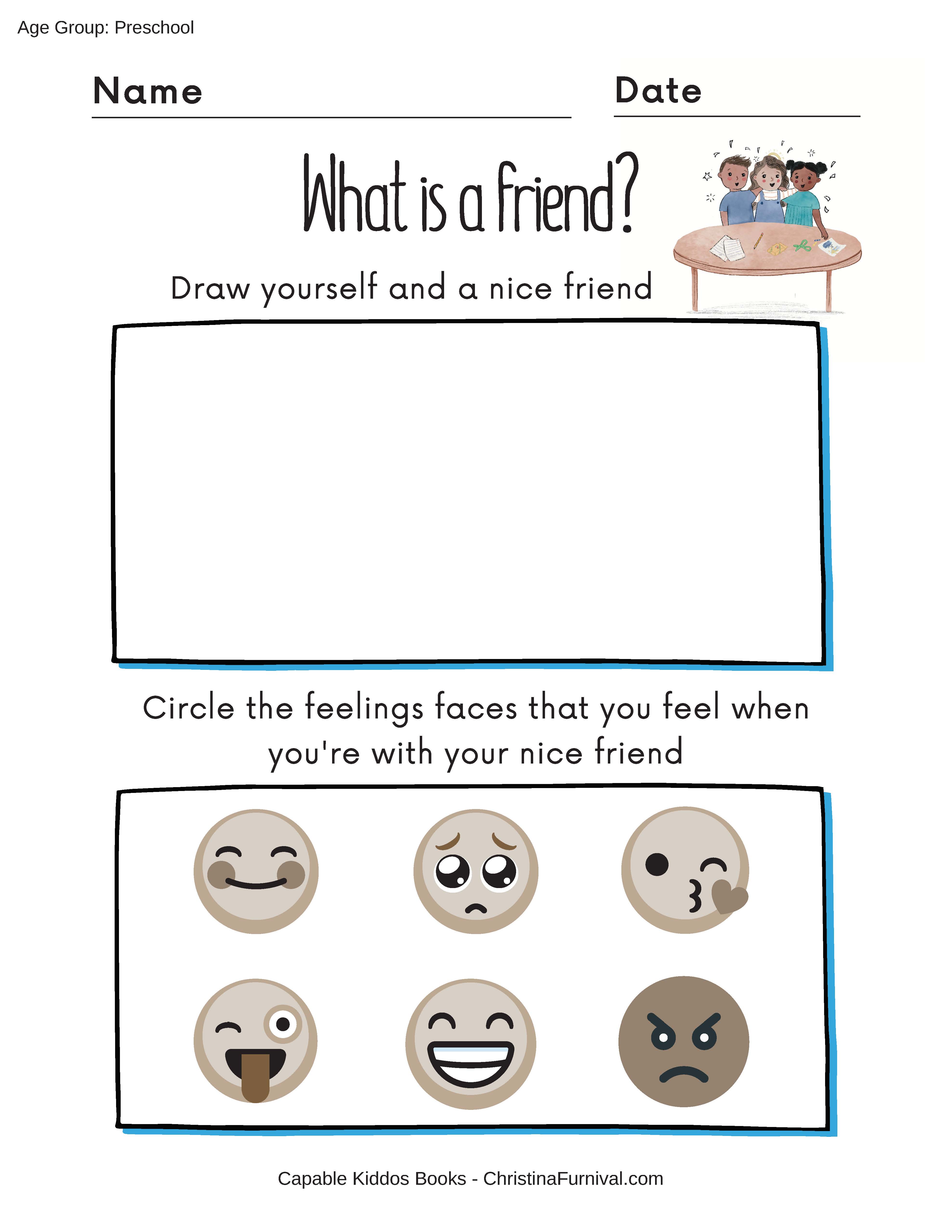
→ Click here to download this full resource, including age-appropriate worksheets for early and late elementary school.
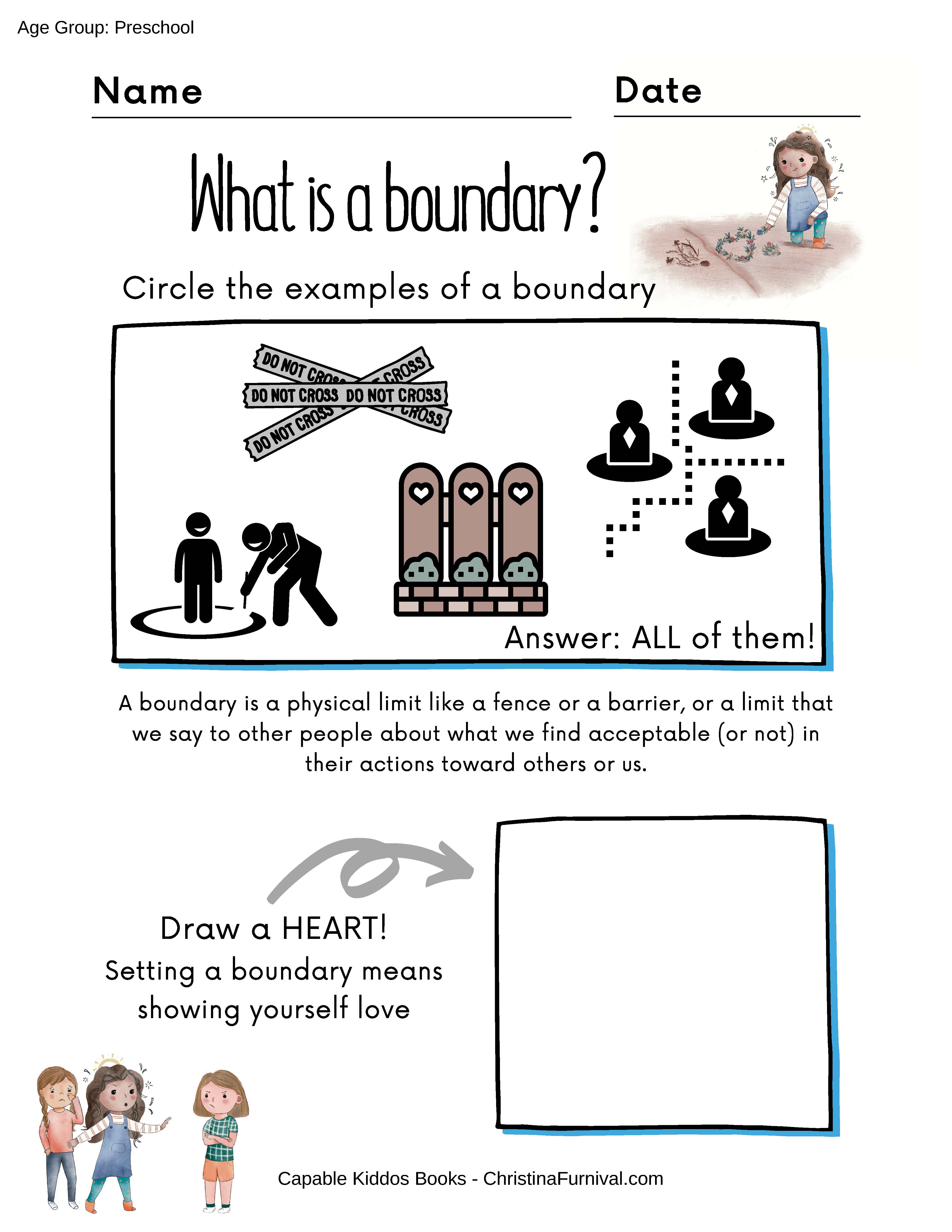
→ Click here to download this full resource, including age-appropriate worksheets for early and late elementary school.
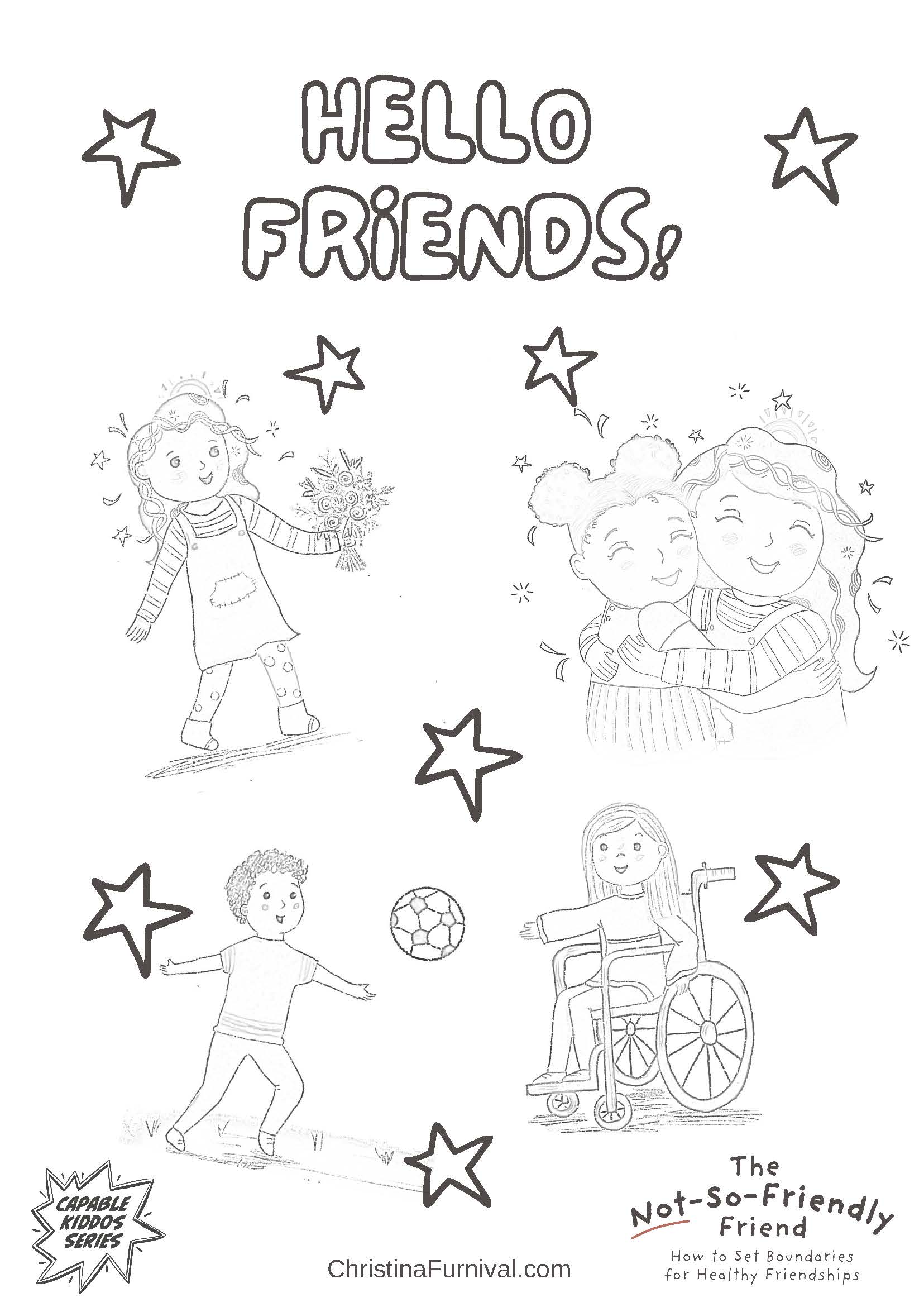
→ Click here to download all eight coloring sheets.
But sometimes we recognize that our children are in prickly friendships where their friend does not always treat them as we would hope, and our children begin to feel unsure and doubt themselves.
Kids are now heading back to school in person after a year of virtual learning. The usual challenge of navigating friendship ups and downs will be even harder. This has left many parents wondering how we can support our children and protect them from negative interactions and unbalanced friendships.
One way is to teach our children the important skill of boundary setting. Research relates the ability to set and hold boundaries with better self-love, self-care, self-worth, and assertiveness!
Help kids handle tough issues with confidence with these complementary age-specific worksheets on healthy friendships and boundaries! Ideal for back to school prep, these worksheets make it easy to begin the conversation, especially as they offer the language to describe and define friendships and boundary setting. Pair these worksheets with a bonus coloring sheet, and kids are sure to have fun while learning how to set healthy boundaries with their peers.
Get the Back-to-School Book Your Child Needs
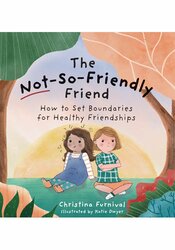
How can I help my child deal with a bully? What do I teach them about handling an on-again-off-again, not-so-friendly friend? My advice to “just be kind” isn’t helping, and my child is still hurting.
Christina Furnival, a licensed mental health therapist and mom, helps answer these questions in this charming and engaging rhyming story about a young child who successfully navigates the complexities of an unkind peer relationship.
In The Not-So-Friendly Friend, children will learn an easy and practical lesson about how to firmly and assertively – yet kindly – stand up for themselves in the face of a bully. By teaching children about the importance and value of setting boundaries for healthy friendships, this book provides children the tools they need to foster their social confidence and emotional well-being.
Christina Furnival, a licensed mental health therapist and mom, helps answer these questions in this charming and engaging rhyming story about a young child who successfully navigates the complexities of an unkind peer relationship.
In The Not-So-Friendly Friend, children will learn an easy and practical lesson about how to firmly and assertively – yet kindly – stand up for themselves in the face of a bully. By teaching children about the importance and value of setting boundaries for healthy friendships, this book provides children the tools they need to foster their social confidence and emotional well-being.
Topics:

Christina Furnival MS, LPCC
Financial: Christina Furnival is the creator of and writer for Motherhood blog. She receives book royalties from PESI, Inc. She has no relevant financial relationships with ineligible organizations.
Non-financial: Christina Furnival has no relevant non-financial relationships.
Christina Furnival, MS, LPCC, is a wife, mother of three, writer, author, and licensed mental health therapist. With over a decade of experience in the field, she is passionate about helping parents and children grow their skill sets, overcome challenges, and gain confidence to live happy, fulfilling lives. Her meaningful stories in the Capable Kiddos series serve as entertaining and enlightening resources to empower children and to make them feel capable of managing tough situations and their accompanying emotions. Visit her at ChristinaFurnival.com and on Instagram @CapableKiddosBooks.
Speaker Disclosures:
Financial: Christina Furnival is the creator of and writer for Motherhood blog. She receives book royalties from PESI, Inc. She has no relevant financial relationships with ineligible organizations.
Non-financial: Christina Furnival has no relevant non-financial relationships.
You May Also Be Interested In These Related Blog Posts


