Joaquin’s Deadly Fury: How to help others while not hurting yourself

Worse than the devastating impact on property is the human toll of the storm. In his wake, Joaquin leaves grieving families and sorely traumatized people.
How can we better support the survivors of such overwhelming experiences? Whether our clients have been through a natural disaster or trauma of another form we have the obligation to provide the best treatment possible to help them recover.
When working with traumatized people we’re all at risk of developing compassion fatigue. Also known as vicarious traumatization or secondary traumatic stress, the symptoms can be disabling and overwhelming. Most professional ethical codes include a mandate around provider self-care.
The same cognitive-behavioral therapy techniques that you may suggest to your clients can be equally beneficial to you in preventing compassion fatigue. If thoughts identified in a distressing situation involve some “what if” or “worst case scenario” thinking pattern, the following technique from the book Overcoming Compassion Fatigue can help.
The steps involved include:
- Identifying what future negative outcomes are being predicted.
- Consider how likely it is that each of these will actually occur (de-catastrophizing).
- Consider the worst outcome and what the consequences would be (de-awfulizing).
- Asking, “How awful would it actually be if that did happen?”
- Identifying what coping strategies could be used to deal with it.
If you’re struggling with compassion fatigue in the wake of a catastrophe, utilizing CBT resources will help you treat traumatized people with a solid evidence base while you protect yourself from the risks of helping people weather the storms that come.
Martha Teater, MA, LMFT, LCAS, LPC, is a co-lead of the Red Cross national headquarters disaster mental health support program and provides support for international deployers as well. These interventions are designed to prevent development of vicarious traumatization among those who help people who’ve gone through natural disasters or other traumas. A prolific writer, she has published over 175 articles in newspapers and magazines, and is the coauthor of Overcoming Compassion Fatigue: A Practical Resilience Workbook.
Join Martha to sharpen and enhance your ability to treat trauma with the most effective, evidence-based treatment approach. Bonus: You’ll earn up to 6 CE hours all from the comfort of your own home.

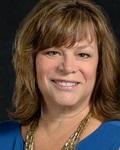
Martha Teater, MA, LMFT, LCAS, LPC, is a Diplomate with the Academy for Cognitive Therapy and is a practicing cognitive-behavioral therapist. She has maintained a private practice since 1990 and has worked in primary care settings, free clinics, and medication-assisted treatment programs. Martha is a Red Cross disaster mental health manager and has been on many national disaster deployments where she provides support to traumatized people. She is also involved with the Red Cross Service to the Armed Forces to develop programs to support military and veteran families.
She has provided trainings in the United States and internationally on topics such as evidence-based treatments for trauma, DSM-5®, compassion fatigue, and behavioral treatment of chronic pain. A prolific writer, Martha has published over 175 articles in newspapers and magazines, including Psychotherapy Networker and Family Therapy Magazine. Martha is the co-author (with John Ludgate) of Overcoming Compassion Fatigue: A Practical Resilience Workbook (PESI, 2014) and (with Don Teater) Treating Chronic Pain: Pill-Free Approaches to Move People from Hurt to Hope (PESI, 2017).
Speaker Disclosures:
Financial: Martha Teater maintains a private practice and receives compensation as a consultant. She receives a speaking honorarium, recording, and book royalties from Psychotherapy Networker and PESI, Inc. She has no relevant financial relationships with ineligible organizations.
Non-financial: Martha Teater is a member of the Academy of Cognitive Therapy and the American Association for Marriage & Family Therapy. She is a peer reviewer for Substance Abuse and Mental Health Services Admiration and a reviewer for the National Board for Certified Counselors.


