Trauma Worksheets & Therapy Tools for Trauma-Informed Clinicians

Trauma treatment requires more than clinical insight. It demands practical, ready-to-use tools that support healing in session and between appointments. These free trauma worksheets are designed to help mental health professionals guide clients through every stage of recovery, from stabilization and psychoeducation to deeper trauma processing and post-traumatic growth.

Whether you're working with complex PTSD, childhood trauma, or acute stress responses, you'll find free printable trauma therapy worksheets grounded in today's most effective, evidence-based approaches, including IFS, EMDR, Somatic Therapy, and Polyvagal Theory. Each free trauma worksheet PDF is created by some of the field's most respected trauma experts, including Janina Fisher, PhD, Dr. Frank Anderson, and Arielle Schwartz, PhD, CCTP-II, E-RYT, EMDR-C.

Download free mental health worksheets in PDF format and put them to work right away, as in-session tools, take-home assignments, or psychoeducation handouts. These free worksheets for therapists are built to strengthen client outcomes and support the complex, meaningful work you do every day.

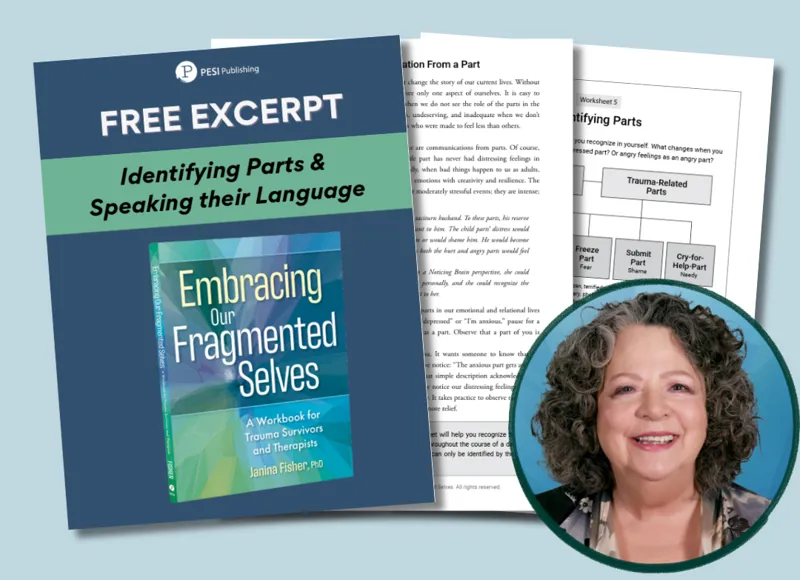
Free Parts Work & Trauma Recovery Worksheets from Embracing Our Fragmented Selves

Embracing Our Fragmented Selves Free Trauma Worksheet

Download free sample worksheets drawn from internationally renowned trauma expert Dr. Janina Fisher's newest workbook, grounded in parts work, structural dissociation theory, and sensorimotor psychotherapy.
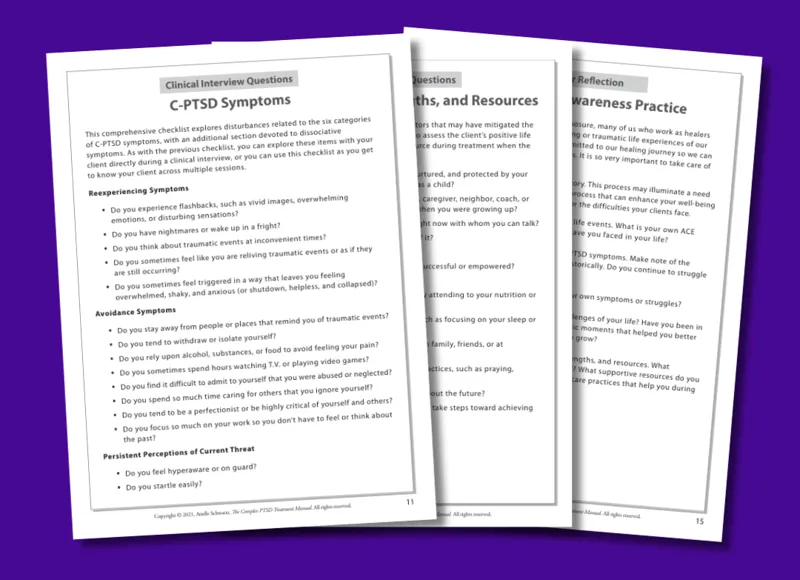
Get your free Complex PTSD Worksheets from The Complex PTSD Treatment Manual

Free Complex PTSD Worksheets

Download free sample worksheets and self-reflection tools drawn from Dr. Arielle Schwartz's definitive clinical manual — an integrative, mind-body approach to C-PTSD treatment used by trauma therapists worldwide.

Download this free trauma treatment worksheet from trauma expert Janina Fisher, PhD.

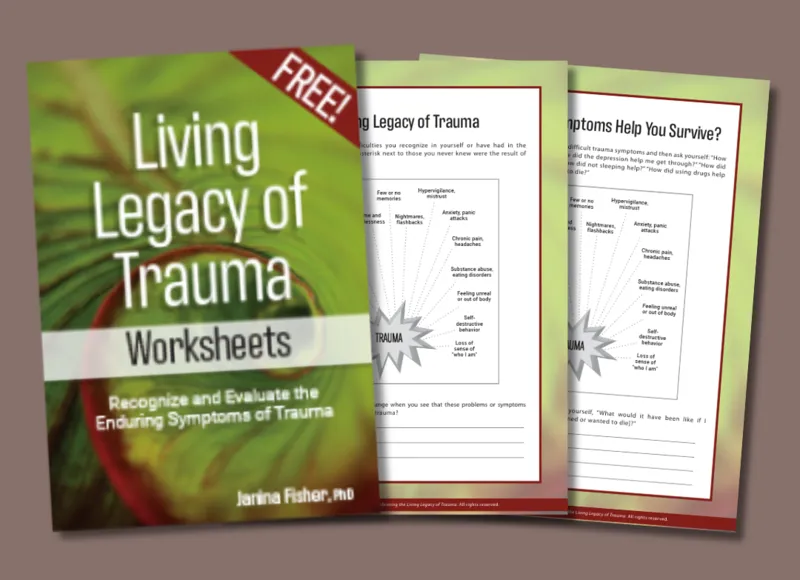
Living Legacy of Trauma Worksheets

Recognize & evaluate the enduring symptoms of trauma. Download this free trauma treatment worksheet from trauma expert Janina Fisher, PhD.

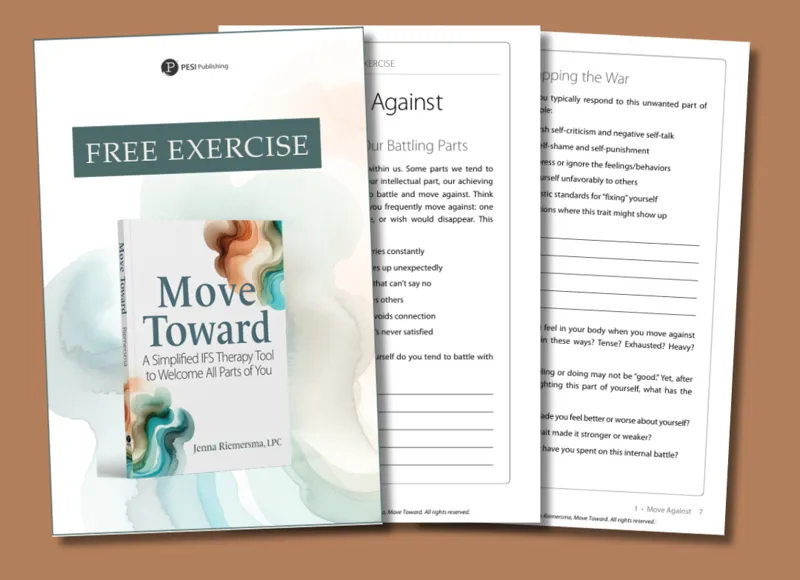
Get your free exercise from  Move Toward: A Simplified IFS Therapy Tool to Welcome All Parts of You

IFS Therapy Exercise from Move Toward

What if the inner critic, the anxiety, the people-pleaser, the wall around your heart — what if they were never your enemies? Download a free exercise from Jenna Riemersma's Move Toward and learn her simple, powerful Notice, Know, Need process for befriending every part of yourself.

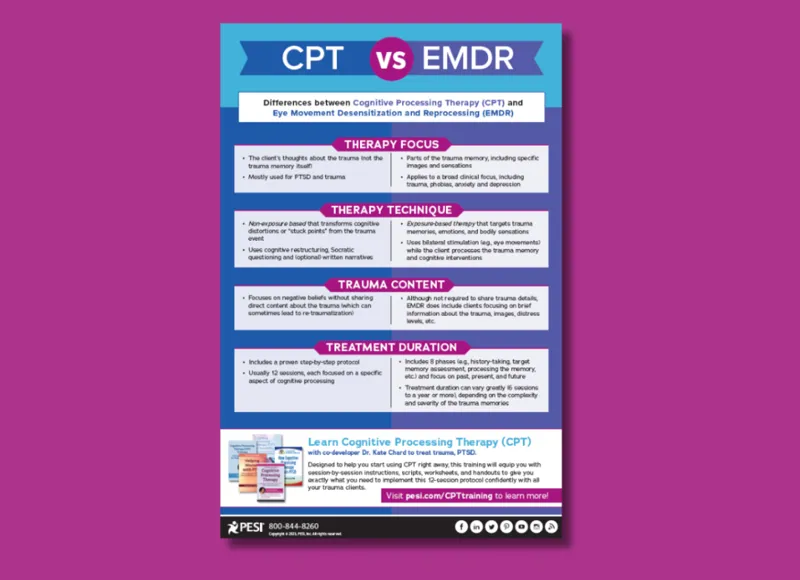
What's the difference between CPT and EMDR? Download this infographic to find out

CPT vs EMDR infographic

What are the differences between Cognitive Processing Therapy (CPT) and Eye Movement Desensitization and Reprocessing (EMDR), and their effectiveness on trauma?

Download this free, practical, and engaging printable tool to find out!

Why Use These Therapy Worksheets?

Structured therapy worksheets help bridge the gap between session work and real-world change. Whether you're reinforcing coping skills, tracking progress, or introducing a new therapeutic concept, the right tool can deepen client engagement and accelerate outcomes.

  • Reinforce therapeutic goals across trauma, anxiety, depression, substance use, and more.
  • Support clients between sessions with take-home tools that extend the work beyond the therapy room.
  • Save valuable preparation time with professional-quality, print-ready handouts you can use immediately.
  • Increase client engagement and follow-through by giving clients something tangible to interact with on their own.
  • Introduce evidence-based concepts accessibly, helping clients connect with approaches like IFS, DBT, EMDR, and Polyvagal Theory in plain language.

How to Use These Therapy Worksheets

These free therapy worksheets are designed to be flexible tools that fit naturally into your existing clinical workflow.

  1. Download and share worksheets in-session, as take-home assignments, or during psychoeducation to introduce key concepts.
  2. Walk through the worksheet together to model strategies, normalize the process, and build client confidence in using the tool independently.
  3. Use worksheets as a clinical check-in at the start of a session to surface what came up for the client between appointments.
  4. Review completed worksheets together to track progress, identify patterns, and adjust treatment goals as needed.

Free Trauma Resources

Developed in collaboration with leading experts in trauma, these resources offer real-world strategies you can apply immediately.