
Attending the FREE Medical Trauma program on 11/23? CLICK HERE to register or for login information. 

Religious Trauma Training for Therapists

More and more clients are coming to therapy with wounds that began in a church, a congregation, or a religious group they once trusted. Learn how to recognize spiritual abuse, assess religious trauma, and help survivors heal on their own terms, with training from specialists like Anna Clark Miller, Natasha Helfer, and Candice Richardson Dickens. Earn CE while you build skills you can use in your very next session.

Bestseller!
Ocean
Digital Seminar
Religious Trauma, Spiritual Abuse and Cult Recovery: Treating the Trauma Caused by Adverse Religious Experiences
Digital Seminar
Religious Trauma, Spiritual Abuse and Cult Recovery: Treating the Trauma Caused by Adverse Religious Experiences
$124.99
$249.99
New Book Release
New Book Release
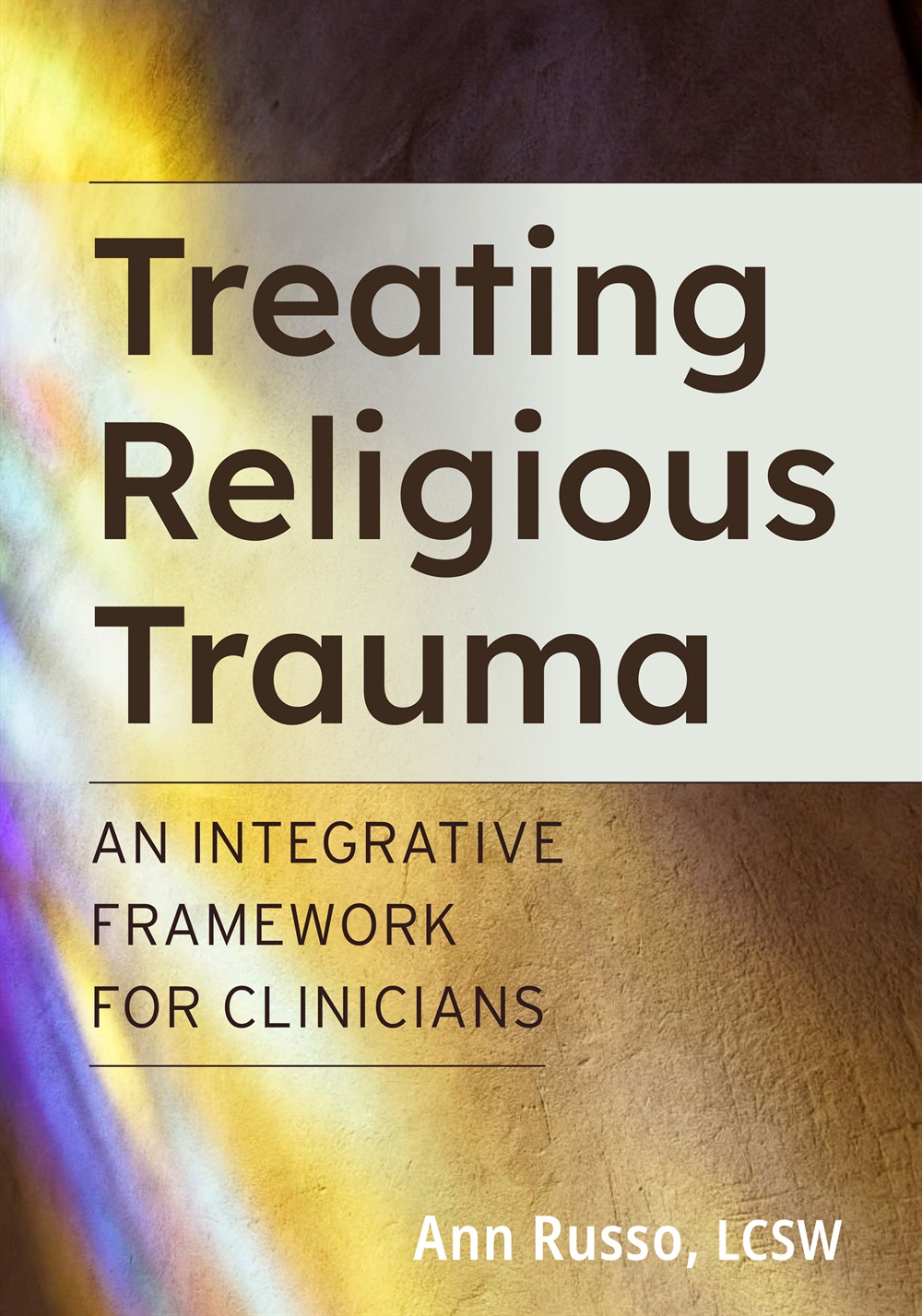
Treating Religious Trauma: An Integrative Framework for Clinicians

Whether a client chooses to leave their faith tradition, continue practicing their faith, or build a new spiritual foundation for themselves, let this book help you navigate these challenges alongside them with compassion and confidence.

What Is Religious Trauma?

Religious trauma is the lasting psychological harm that can follow adverse experiences in a religious setting. Sometimes it traces back to a single event, like abuse by a trusted leader or being shunned for asking the wrong question. More often it builds slowly, through years of fear-based teaching, rigid rules about the body and sexuality, and the message that your own thoughts and feelings can't be trusted.

Clients rarely walk in using the term. They come in with anxiety they can't explain, a harsh inner critic, panic around certain songs or holidays, trouble making even small decisions, or a deep sense that something is wrong with them at the core. Psychologist Marlene Winell introduced the term religious trauma syndrome to describe this cluster of symptoms. It isn't a formal DSM diagnosis, but it gives clinicians and clients a shared language for an experience that has often gone unnamed.

Religion itself isn't the problem. For many clients, faith is a real source of meaning, community, and strength, and PESI's Spirituality in Therapy training focuses on honoring that. Religious trauma training focuses on what happens when that support turns into control.

Spiritual Abuse and High-Control Religion

Spiritual abuse happens when religious authority, scripture, or belief is used to manipulate, control, or harm someone. It tends to thrive in high-control environments: authoritarian leadership, pressure to obey without question, isolation from outsiders, and fear, guilt, and shame used to keep members in line. These dynamics can appear in mainstream congregations just as easily as in groups some may call cults.

Understanding these patterns helps you make sense of why survivors stay as long as they do, why leaving can feel like a kind of death, and why insight alone rarely quiets the fear. PESI's trainings walk you through the cycle of spiritual abuse, the tactics of thought reform, and the ways coercive control gets internalized long after a client has walked out the door.

Leaving Religion, Faith Deconstruction, and Identity Loss

For many clients, the hardest part isn't what happened inside the group. It's the aftermath. Leaving a high-demand faith can mean losing family, friends, community, a moral framework, and an entire vision of the future, often all at once. Some clients are actively deconstructing their beliefs. Others want to stay connected to their faith while untangling the parts that hurt them.

Your role isn't to steer anyone toward or away from religion. It's to help clients grieve what they've lost, tolerate uncertainty, rebuild a sense of self, and find meaning and connection of their own choosing. You'll learn how to support that process, including navigating strained family ties, mixed-faith relationships, and the spiritual grief that often surfaces years after leaving.

Purity Culture, Shame, and the Body

Teachings about sexuality, gender, and the body can leave some of the deepest marks. Clients raised in purity culture may carry shame about normal desire, struggle with intimacy in committed relationships, or feel disconnected from their bodies altogether. Fear-based messages about hell, punishment, or the end times can keep the nervous system on high alert for decades.

That's why religious trauma treatment has to reach beyond talk alone. You'll learn mindfulness and somatic strategies to calm hyperarousal and intrusive fear, CBT tools to challenge shame-driven beliefs, and gentle ways to help clients feel safe in their bodies again.

Culturally Responsive Care for Every Survivor

Religious trauma doesn't land the same way for every client. LGBTQ+ survivors may have been taught that who they are is itself a sin. Women may carry the weight of teachings about submission and silence. For many BIPOC clients, faith is woven so tightly into family and culture that questioning it can feel like betrayal, and some carry the history of religion used as a tool of colonization. Neurodivergent clients may have spent years trying to meet expectations that never accounted for how they think and feel.

PESI's religious trauma trainings center cultural humility so you can honor each client's background while still naming the harm. They also invite you to look inward. Your own religious history, beliefs, and biases will show up in the room, and learning to work with countertransference and self-disclosure is part of doing this work well.

Free Religion & Spirituality Resources

Explore how to incorporate religion & spirituality into sessions. Build the clinical skill to meet it, whether that means integrating faith into treatment or helping a client recover from the harm religion caused.

Let's Stay in Touch

Get exclusive discounts, new training announcements & more!