Assessment & Diagnosis Training
Sharpen the clinical judgment every treatment plan depends on.
Good care starts with an accurate picture of what’s really going on. PESI’s assessment and diagnosis training helps mental health clinicians, rehab specialists, and healthcare professionals ask better questions, choose the right tools, and reach the right diagnosis sooner. Learn from experts who’ve spent their careers teaching diagnostic reasoning, and bring those skills into your very next session.


Autism care has evolved rapidly, and traditional training doesn’t always keep pace with today’s realities. That’s why we’ve brought together some of the most trusted and influential voices shaping autism assessment and treatment today.
Popular Assessment & Diagnosis Training for Mental Health Professionals

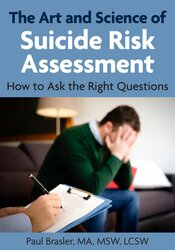
As a mental health clinician, you can be the difference between safety and being returned to a life-threatening situation. You already have the heart for this work. We'll give you the skills. Reserve your spot- in person or online.
Popular Assessment & Diagnosis Training for Rehab Professionals




Popular Assessment & Diagnosis Training for Healthcare Professionals
Assessment Skills Learners Also Develop Skills In
Why Assessment and Diagnosis Matter So Much
Assessment is where every course of treatment begins, and where many of them quietly go off track. When a diagnosis is missed or mislabeled, everything built on it follows suit: the interventions, the goals, the documentation, even the client’s understanding of their own experience.
Think about the client whose attention problems are really driven by trauma, the patient whose “mechanical” back pain turns out to have a systemic cause, or the older adult whose sudden confusion is delirium rather than dementia. In each case, a careful assessment changes everything that comes next.
Strong assessment and diagnosis skills protect your clients, guide your interventions, support accurate documentation and reimbursement, and give the people you serve the confidence that someone truly understands what they’re facing. That’s why diagnosis training isn’t just a box to check. It’s one of the most practical investments you can make in your clinical work.
For Mental Health Clinicians: Getting the Diagnosis Right
Depression, anxiety, trauma, bipolar disorder, ADHD, and personality disorders share overlapping symptoms, and clients rarely arrive with a single, tidy presentation. Assessment training helps you run an effective diagnostic intake, apply DSM-5-TR criteria and specifiers with confidence, code accurately in ICD-10-CM, and sort true comorbidity from look-alike symptoms. You’ll also learn to weigh cultural context and risk factors so your diagnosis reflects the whole person, not just a checklist.
For Rehab Specialists: Assessment That Drives Function
For physical therapists, occupational therapists, and speech-language pathologists, assessment is what turns a referral into a meaningful plan of care. With direct access expanding, knowing how to screen for red flags and when to refer out has never mattered more. Training in standardized outcome measures and functional assessment helps you set measurable goals, track real progress, and clearly justify the care your patients need.
For Healthcare Professionals: Recognizing Change Early
Nurses and nurse practitioners often notice shifts first. Sharp physical and mental health assessment skills help you catch subtle changes early, from emerging depression in a patient with chronic illness to the early signs of delirium. Better assessment means faster escalation, clearer communication with the care team, and safer outcomes for the patients who rely on you.