Mindfulness Myths That Might Be Holding Your Clients Back

If you have ever introduced a client to mindfulness and watched their eyes glaze over, or heard them say "that's not really for me," you have probably run into one of the many myths about mindfulness that circulate in our culture and, frankly, in our profession. As clinicians, our job is not just to teach mindfulness skills. It is to clear away the misconceptions that keep clients from trying them in the first place.
Mindfulness is one of the most researched, most transferable, and most misunderstood concepts in mental health treatment today. Misconceptions about what mindfulness is and is not can interfere with effective practice, both for our clients and, at times, for us. Below are four of the most common myths I encounter in clinical work, along with how to reframe them for your clients.
Myth 1: Mindfulness Is a "What"
Many clients assume mindfulness means sitting cross-legged, eyes closed, in total silence. They picture a specific activity, a "what." In reality, mindfulness is not what you are doing. It is how you are doing it.
Anything can become a mindfulness practice when approached with full, nonjudgmental attention. Washing dishes, walking to the car, folding laundry, even eating a meal can all be mindfulness practices. Mindfulness is fundamentally a process of attending, not a checklist of approved activities.
This reframe matters clinically because it removes the barrier of needing a "special" time, place, or posture. You can teach clients to bring mindful attention to tasks they already do every day, which dramatically increases the likelihood they will actually practice.
Myth 2: Mindfulness Belongs to a Particular Philosophy or Religion
Clients sometimes hesitate to engage with mindfulness because they associate it exclusively with Buddhism or another specific tradition, and that association may conflict with their own beliefs or background.
While many philosophies and religious traditions do promote mindfulness practices, mindfulness itself is best understood as a human activity that belongs to no single group or person. It belongs to all of us, and its benefits are backed by a substantial body of research demonstrating clear psychological, emotional, physical, and performance-related outcomes.
When a client expresses hesitation rooted in this myth, it can help to frame mindfulness as a skill, similar to deep breathing or progressive muscle relaxation, rather than a spiritual practice. This framing tends to lower resistance considerably, especially with clients who hold strong religious convictions of their own.
Myth 3: Mindfulness Takes a Lot of Time
This myth is one of the most common reasons clients give for not practicing between sessions. They imagine they need forty five minutes of meditation daily to get any benefit, and since that feels unrealistic, they simply skip it altogether.
The truth is that benefits can come from just a few minutes, or even a few moments, of mindfully recentering in the present. Given how much time most of us spend distracted by problems, worries, and rumination, even a brief mindful pause is a worthwhile trade. In fact, since the goal of mindfulness is greater presence in each moment, you could argue the time for mindfulness is always now, and that practicing it takes no extra time at all.
This is a particularly useful myth to dismantle early in treatment. Clients are far more likely to engage with a sixty second practice than a forty five minute one. Start small and let the habit build from there.
Myth 4: Mindfulness Is Only About Pleasure, Peace, and Relaxation
Many clients, and more than a few clinicians, equate mindfulness with feeling calm and good. When a mindfulness exercise brings up discomfort instead, clients often conclude they are "doing it wrong."
Mindfulness can certainly support peace and relaxation, but it is equally about learning to relate skillfully to experiences that are uncomfortable, aversive, or painful. Consider how often we attempt to escape difficult experiences, only to make them worse in the process. Using mindfulness to accept and relate to pain, rather than fight it, can actually transform the experience. Because mindfulness is rooted in acceptance and nonjudgment, it tends to reduce the additional suffering we layer on top of pain itself.
This distinction is essential for clients working through trauma, chronic pain, grief, or intense emotional dysregulation. If they believe mindfulness should only feel pleasant, the first uncomfortable sensation will lead them to abandon the practice. Helping them understand that discomfort is not a sign of failure, but part of the process, can make all the difference in whether they stick with it.
Why This Matters in Session
Dismantling these myths is not just an academic exercise. It directly affects whether your clients are willing to try mindfulness at all, and whether they stick with it long enough to experience the benefits. Clients who believe mindfulness requires hours of meditation, a particular belief system, or a constant state of bliss are clients who will quietly give up after one frustrating attempt.
When you address these misconceptions directly and early, you remove unnecessary barriers and open the door to a skill that can support emotional regulation, distress tolerance, and present moment awareness across virtually every presenting concern you treat.
There are six more myths worth knowing, covering everything from whether mindfulness is just a passing fad to whether clients with racing thoughts or attention difficulties can even practice it successfully. You can find all ten myths, along with ready to use DBT exercises you can bring into session immediately, in this free download.

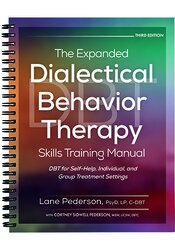
Designed both as a clinical resource for DBT therapists and integrative therapies, as well as a self-help guide for those interested in learning DBT skills, the straightforward explanations and useful worksheets inside make these skills accessible and practical for all.

Completely self-paced, you can access these materials online and on your mobile devices — so you can learn whenever and wherever is convenient for you.


Lane Pederson, PsyD, LP, C-DBT, has provided Dialectical Behavior Therapy (DBT) training and consultation to over 20,000 professionals in the United States, Australia, South Africa, England, Canada, Mexico, and the Middle East through his training and consultation company, Lane Pederson and Associates, LLC (www.DrLanePederson.com). A real world practitioner, Dr. Pederson co-owns Mental Health Systems, PC (MHS), one of the largest DBT-specialized practices in the United States with four clinic locations in Minnesota (www.mhs-dbt.com). At MHS, Dr. Pederson has developed DBT programs for adolescents, adults, people with dual disorders, and people with developmental disabilities. He has served as clinical and training directors, has directed practice-based clinical outcome studies, and has overseen the care of thousands of clients in need of intensive outpatient services.
Dr. Pederson’s DBT publications include The Expanded Dialectical Behavior Therapy Skills Training Manual, 2nd Edition: DBT for Self-Help and Individual & Group Treatment Settings (PESI, 2017); Dialectical Behavior Therapy: A Contemporary Guide for Practitioners (Wiley, 2015); Dialectical Behavior Therapy Skills Training for Integrated Dual Disorder Treatment Settings (PESI, 2013) and The DBT Deck for Clients and Therapists: 101 Mindful Practices to Manage Distress, Regulate Emotions & Build Better Relationships (PESI, 2019).
Notable organizations he has trained for include Walter Reed National Military Hospital, the Federal Bureau of Prisons, the Ontario Psychological Association, the Omid Foundation, and Psychotherapy Networker. He has provided DBT training for community mental health agencies, chemical dependency treatment centers, hospital and residential care settings, and to therapists in forensic settings. Dr. Pederson also co-owns Acacia Therapy and Health Training (www.AcaciaTraining.co.za) in South Africa. Dr. Pederson currently serves on the advisory board for the doctorial counseling program at Saint Mary’s University of Minnesota and is a peer reviewer for Forensic Scholars Today.
Speaker Disclosures:
Financial: Lane Pederson maintains private practice and is the founder and CEO of Dialectical Behavior Therapy National Certification and Accreditation Association. He receives compensation as a national speaker and receives royalties as a published author. Lane Pederson receives a speaking honorarium, recording, and book royalties from Psychotherapy Networker and PESI, Inc. He has no relevant financial relationships with ineligible organizations.
Non-financial: Lane Pederson serves as an advisory board member to St. Mary's University Doctoral Program in Clinical Psychology.
Lane Pederson is not affiliated or associated with Marsha M. Linehan, PhD, ABPP, or her organization.


