Is Nondirective Play Therapy Enough?: Reading the Child in Front of You, Part 1

If you love child directed play and feel lost when a child struggles to lead, this is for you. We aren't replacing child-led play; we're learning to read it more deeply.
A child enters the playroom and freezes. Toys fill the room, but she stands quietly, barely taking in her surroundings. She doesn't speak or reach for a toy. Her body seems almost completely still.
What do you do?
We know the value of following the child's lead and that play is their language. But when a child's nervous system shifts into fight, flight, freeze, or dissociation, the content of the play may not tell us what the child needs in that moment.
Instead of coaxing her into playing, you stay grounded and give her time. You notice the smallest changes: a movement of her fingers, a shift in her eyes, a change in posture. You reflect what you observe without asking anything of her.
Slowly, her body begins to thaw. She takes a small step toward the toys, then another. She still isn't telling a story, but her body is already communicating something.
One of the most important shifts in my work was learning to track not only what a child was playing, but what was happening in their nervous system during play. This distinction became foundational to Somatic Experiential Play Therapy (SEPT).
YES, nondirective play therapy was revolutionary in recognizing the healing power of child-led play. BUT in practice, I've found that following a child's lead doesn't always tell us how to respond to what's happening beneath the play. We need an approach that preserves child-led play while helping therapists recognize and respond to the nervous system cues unfolding in front of them.
Play allows children to express experiences they may not yet have the words to explain. But play isn't just emotional or cognitive; it's embodied. A child's body communicates alongside the story.
Is their movement becoming more organized or chaotic? Are they becoming more engaged or less present? Is their energy increasing, or are they beginning to shut down? These observations can change how we respond. A child who is becoming activated may need support rather than redirection. A child who is overwhelmed may need grounding, while a child who is disconnecting may need help reconnecting.
In SEPT, the child remains the leader. Our job is to stay attuned to their cues and offer invitations that support the process without forcing it. We watch the play, listen to the story, and track the body together.
For this little girl, the story didn't begin with a toy. It began with her body. As she began to feel safe enough to move, she eventually moved toward the story she needed to tell.
That was one of the questions that led us to develop SEPT: What might become possible when we understand a child's play not only through the story they're telling, but through the nervous system telling it?
Try This: The next time a child seems stuck or disconnected in play, pause and notice what their body might be communicating before deciding how to respond. What shifts when you reflect what you observe without asking anything of them?
With SEPT, you can help kids confront painful experiences in a manageable, contained way—one playful interaction at a time.


If you work with kids, what you’ll learn from me about play therapy is sure to transform the way you approach trauma and help you support healing in a more grounded, effective way.

Melissa Wetterlund, MA, LP, LMFT, RPT-S™, is a licensed psychologist, licensed marriage and family therapist, Registered Play Therapist-Supervisor, and co-creator of Somatic Experiential Play Therapy (SEPT), a nervous-system-informed approach to play therapy for children. As a national play therapy trainer, she has taught more than 3,000 therapists to recognize what a child's behavior is communicating, so children can be seen, understood, and start healing now.
Many approaches give children coping skills to manage hard behavior until they're old enough to talk about what's behind it. Melissa believes children can work through it now, in their natural language, which is play. In SEPT, the therapist steps into the child's play, reads the themes and metaphors the child uses, and tracks what the child's nervous system can handle.
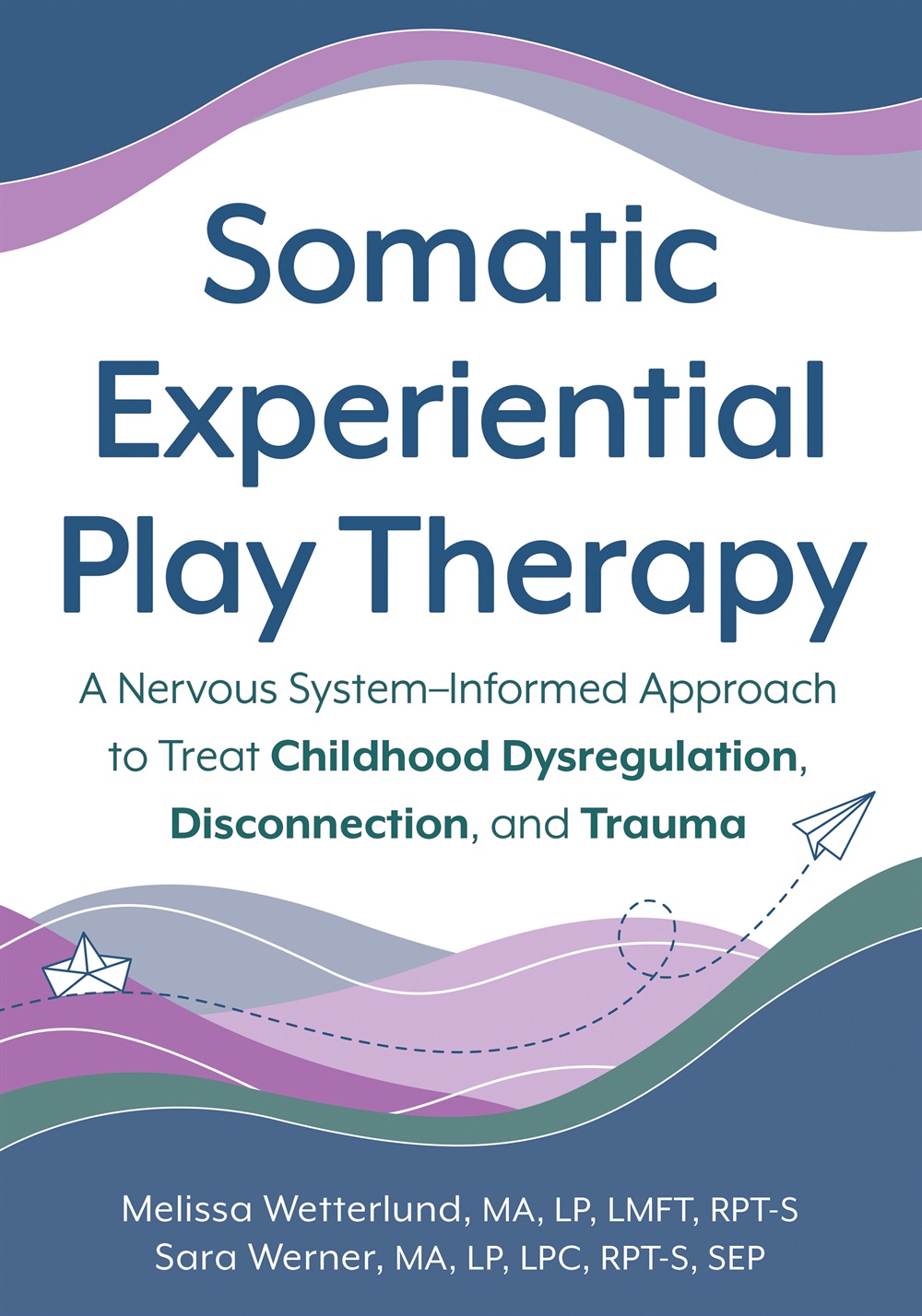
Melissa has been a therapist since 2004 and owns a private practice in Minnesota. She is an AAMFT-approved clinical supervisor and adjunct faculty in graduate counseling programs. She co-created SEPT with Sara Werner about 15 years ago. Their book is Somatic Experiential Play Therapy: A Nervous System-Informed Approach to Treat Childhood Dysregulation, Disconnection, and Trauma (PESI Publishing, 2027).
Learn more about the book and get Melissa's free resources for child therapists at melissawetterlund.com/book
Speaker Disclosures:
Financial: Melissa Wetterlund maintains a private practice, is the co-founder of Somatic Experiential Play Therapy, and has an employment relationships with Bethel University. She receives a speaking honorarium and recording royalties from PESI, Inc. She has no relevant financial relationships with ineligible organizations.
Non-financial: Melissa Wetterlund has no relevant non-financial relationships.


