Estrangement Therapy Training: Clinical Tools for No Contact, Cutoffs and Reconciliation
Know what to do when a client asks, "Should I cut them off?" or "How do I get my child back?" Estrangement therapy training from PESI gives you the assessment frameworks, decision tools, and session-ready interventions to support clients considering no contact, parents and adult children navigating a cutoff, and families exploring estrangement reconciliation therapy. Learn from the clinicians and researchers shaping how our field treats family estrangement, and earn CE while building skills you can put to work right away



Estrangement cannot be oversimplified. That’s why we’re bringing together multiple experts, including Joshua Coleman, PhD – developer of the new, evidence-informed Estrangement Reconciliation Therapy (ERT) – along with leading relationship specialists Nedra Glover Tawwab, MSW, LCSW, Kristina Scharp, PhD, and Lori Gottlieb, LCSW, to help prepare you to treat one of the most emotionally complex and increasingly common problems facing today’s mental health professionals. Register for FREE today!
Popular Estrangement Training


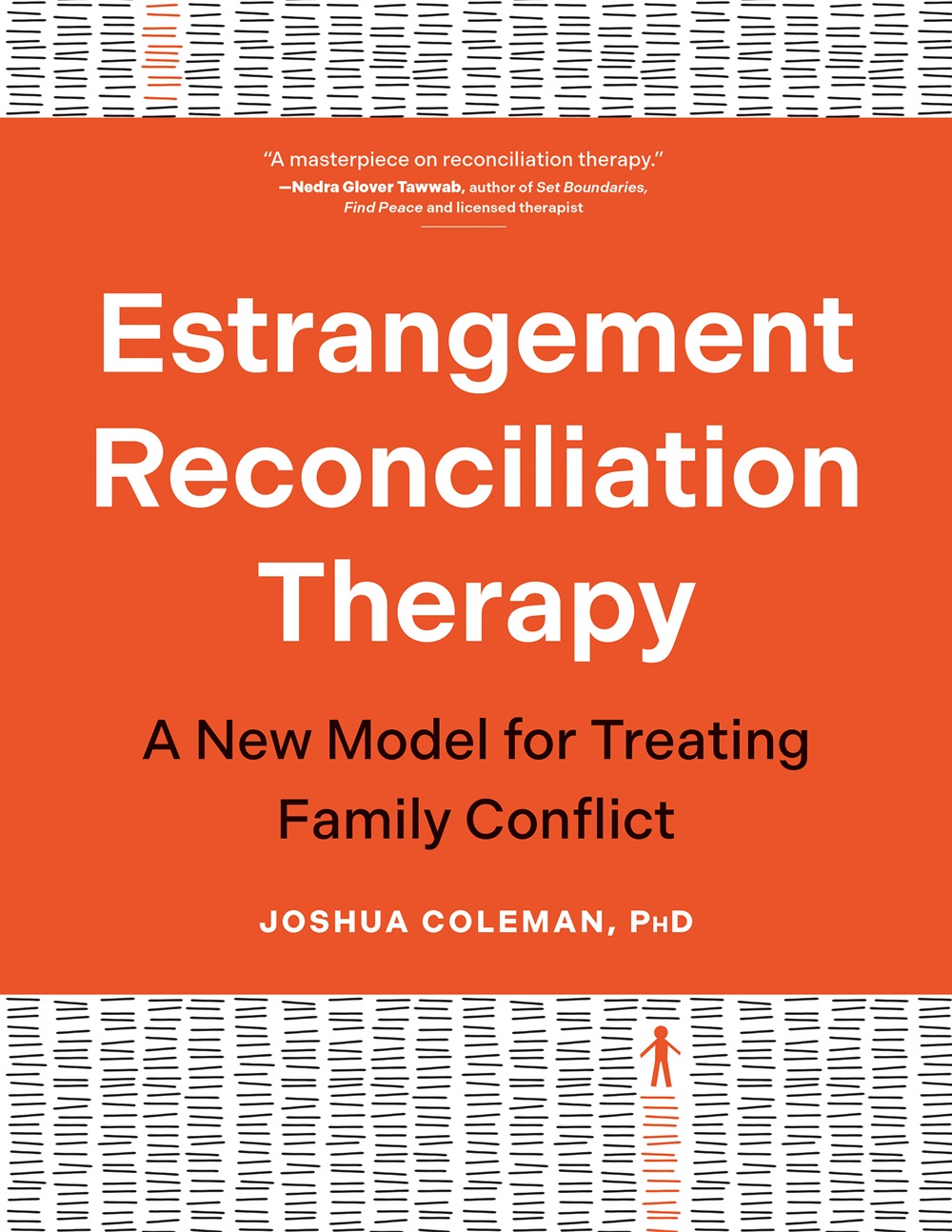
In Estrangement Reconciliation Therapy (ERT), psychologist and estrangement expert Dr. Joshua Coleman offers a structured, compassionate framework for clinicians to understand the emotional roots of family cutoff and help clients move beyond blame toward meaningful change.
Why Estrangement Belongs in Your Clinical Toolkit
Family estrangement has moved into everyday caseloads. Adult children are going low contact or no contact with parents. Parents are arriving in your office grieving the child who stopped calling. Siblings, grandparents, and whole branches of a family are drifting apart after remarriage, divorce, or years of unspoken hurt. Most of us were never trained for these conversations in graduate school, yet clients expect us to help them make one of the most consequential decisions of their lives.
Estrangement is rarely a single event. It can be a protective boundary after abuse, coercive control, or chronic emotional neglect. It can also grow out of conflict avoidance, shifting cultural values, or a slow buildup of misunderstanding on both sides. Telling these patterns apart is the clinical heart of the work, because the right intervention depends entirely on which one you are looking at.
What Effective Estrangement Therapy Looks Like
Good estrangement work starts with neutrality. Your role is not to push a client toward reconciliation or toward cutting ties, but to help them see their family system clearly, weigh safety and re-traumatization risk, and make a choice that fits their values. That means watching for your own bias in either direction and knowing when distance is protective and when it is avoidance.
From there, you draw on approaches you already know. Attachment and family systems theory explain how the rupture formed. DBT emotion regulation and distress tolerance skills help clients ride out guilt spikes and family pressure. Grief work that recognizes ambiguous and disenfranchised loss gives language to mourning someone who is still alive. Motivational interviewing helps clients explore ambivalence about contact without feeling steered.
For families who want to reconnect, newer structured models such as Estrangement Reconciliation Therapy (ERT), developed by psychologist Joshua Coleman, PhD, offer a step-by-step path through readiness assessment, accountability, effective apology, and rebuilding trust. And for clients where reconnection is unsafe, unwanted, or simply not possible, the work shifts toward acceptance, boundary maintenance, and a meaningful life on the other side of the loss.
Who This Training Is For
Whether you are a family estrangement therapist seeing parents and adult children together, a counselor supporting an individual client through no contact, or a social worker navigating sibling and grandparent cutoffs, PESI's estrangement training gives you assessment frameworks, decision tools, and intervention scripts you can bring into session right away. Our adult child estrangement training is designed for counselors, social workers, marriage and family therapists, psychologists, addiction counselors, case managers, and other mental health professionals.
Learn from the Leading Voices in Family Estrangement
Joshua Coleman, PhD A psychologist in private practice and Senior Fellow with the Council on Contemporary Families, Dr. Coleman developed Estrangement Reconciliation Therapy and wrote The Rules of Estrangement: Why Adult Children Cut Ties and How to Heal the Conflict. He has trained clinicians for the American Psychological Association, Stanford, and Weill Cornell, and his work focuses on helping parents and adult children understand each other well enough to decide what comes next.
Heidi Green, PsyD A clinical psychologist and trauma therapist, Dr. Green brings DBT, EMDR, and trauma-informed yoga to her work with clients navigating toxic family dynamics. Her training helps clinicians stay neutral when clients ask about no contact, support those who keep contact without normalizing harm, and treat the shame and grief that follow either choice.
Sherrie Campbell, PhD Dr. Campbell teaches clinicians how to distinguish protective estrangement from abandonment, scapegoating, and manipulation, and how to match interventions to each estrangement type, whether a client is going low contact, no contact, or considering reconciliation.
Claire Bidwell Smith, LCPC A grief therapist and author, Claire Bidwell Smith frames estrangement as ambiguous and disenfranchised loss, giving clinicians narrative and mindfulness-based tools for clients mourning someone who is still alive.
Estrangement Learners Also Develop Skills In
Let's Stay in Touch
Get exclusive discounts, new training announcements & more!