Abandonment Trauma Training: Evidence-Based Techniques for Healing Deep Relational Wounds
Abandonment trauma is one of the most pervasive and clinically underrecognized forms of relational injury. Rooted in early experiences of loss, neglect, or inconsistent caregiving, it shapes the nervous system, attachment patterns, and core beliefs clients carry into adulthood. The presentations are varied and often indirect: chronic anxiety, depression, self-sabotage, emotional dysregulation, and relationship instability that never quite resolves with standard approaches.
That's where specialized training changes everything.
Without a clear framework for abandonment trauma treatment, even skilled clinicians find their most complex clients plateauing or disengaging before real healing takes hold. PESI's expert-led courses, workshops, and seminars give you that framework, built on the most current attachment science, neuroscience-informed practice, and evidence-based techniques, so you can meet your clients where the wound actually lives.
Browse abandonment trauma courses and earn CE credits today.


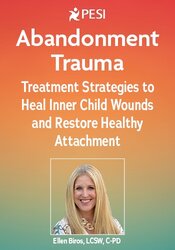
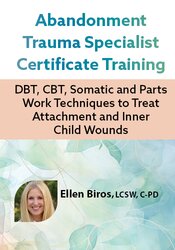
Ellen Biros will guide you through the practical and effective approaches you need to build trust with these clients, help overcome their abandonment fears, and forge a path toward lasting healing.
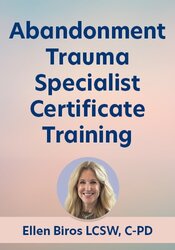
Ellen Biros created this exclusive 2-day Abandonment Trauma Certificate training to provide you a roadmap to navigate the complexities of abandonment trauma.
Abandonment Trauma Bestselling Trainings
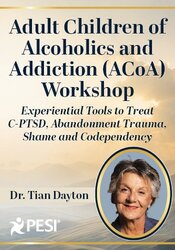
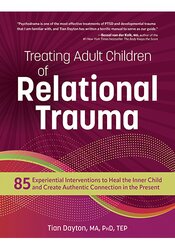
Join Dr. Tian Dayton, Senior Fellow at The Meadows and bestselling author, for this free one-day event where she'll give you a toolkit of interventions you can use to create reparative therapeutic experiences that help clients process their childhood trauma, break free from self-defeating patterns, and build self-worth.
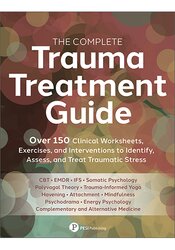
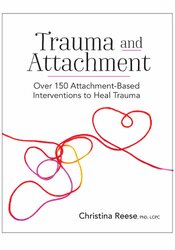
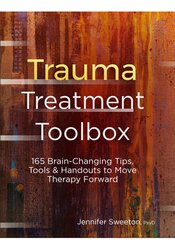
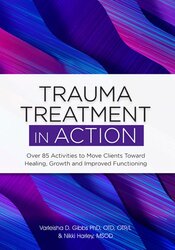
Abandonment Trauma Bestselling Books
Abandonment Trauma Learners Also Develop Skills In
From Assessment to Treatment: Build a Complete Abandonment Trauma Skill Set
What You'll Learn
PESI's abandonment trauma continuing education goes beyond theory. Whether you're completing an online course, attending a live seminar, or joining an immersive multi-day workshop, you'll leave with practical, session-ready skills your clients will feel immediately.
Assess with Confidence: Learn to identify abandonment trauma across the lifespan, including childhood neglect, parental loss, and relational rupture, and understand how it hides inside other diagnoses like BPD, complex PTSD, anxiety, and addiction.
Apply Evidence-Based Treatment Techniques: Draw on the most effective techniques for abandonment trauma treatment, including attachment-based approaches, somatic interventions, EMDR, IFS Therapy, Polyvagal Theory, and schema-focused therapy to address the relational wound at its source.
Interrupt Maladaptive Patterns: Help clients recognize and shift the survival strategies that abandonment trauma creates: fear of intimacy, people-pleasing, emotional dysregulation, self-isolation, and chronic self-abandonment.
Build Reparative Therapeutic Relationships: Develop the relational attunement skills that make the therapeutic relationship itself a vehicle for healing, including how to navigate transference and countertransference that abandonment-wounded clients predictably activate.
Advance Your Specialization: Earn CE credits across live seminars, online courses, and intensive workshops while building the clinical depth to confidently position yourself as an abandonment trauma treatment specialist.
Who is this Training For
Our abandonment trauma training is designed for licensed and pre-licensed mental health professionals, including psychotherapists, psychologists, licensed clinical social workers, licensed professional counselors, marriage and family therapists, psychiatric nurse practitioners, addiction counselors, and school counselors.
Whether you're newly encountering abandonment-related presentations in your caseload or seeking advanced specialization as an abandonment trauma treatment specialist, PESI offers training that meets your clinical goals with the credibility and flexibility your career demands. Live in-person seminars, live virtual webinars, self-paced online courses, and multi-day intensive workshops are all available with CE credit included.
Why Abandonment Trauma Requires Its Own Clinical Framework
Abandonment trauma operates differently from event-based trauma, and treating it effectively requires understanding why.
Research in developmental neuroscience and attachment theory consistently shows that abandonment trauma is relational, chronic, and often preverbal. It lives in the body and the nervous system before it ever reaches conscious thought. Standard PTSD protocols don't always reach it, and cognitive approaches alone rarely move the needle for clients whose wounds formed before language did.
Effective abandonment trauma treatment asks clinicians to recognize the presenting disguises: perfectionism, rage, dissociation, compulsive caretaking, and self-isolation are all abandonment signatures hiding in plain sight. It asks for modalities that work at the somatic and relational level. And it asks for a therapeutic relationship calibrated to repair, not just process.
PESI's abandonment trauma training is built around these clinical realities. Our faculty draws from the most current neuroscience-informed, attachment-based, and trauma-focused approaches to give you both the conceptual framework and the practical techniques to match.
Join thousands of mental health professionals who have advanced their practice through PESI's evidence-based continuing education.
Let's Stay in Touch
Get exclusive discounts, new training announcements & more!