- Articulate ways to meet common needs of the dying across many health care settings.
- Discriminate the differences and commonalities of palliative and hospice care models.
- Ascertain the meaning of anticipatory grief and how it shapes the end of life experience for patients and families.
- Evaluate and resolve conflict regarding advance directives and code status.

The Dying Don’t Need Us to Have
Answers, They Need Us to Stay in the Room
★ FREE Live Training ★
Register
Today — No Cost!
Can’t attend live? Register anyway for 3-day FREE access!
CE hours available for an additional cost after registration.
CE hours available for an additional cost after registration.
By registering, you agree to our Terms of Use, Privacy Notice, and if applicable, our Event Terms.
You’ve spent your career showing up for people at their most vulnerable.
But being with someone who’s dying asks something different.
Not answers. Not fixes. Just the willingness to see them as still living, right up until they aren’t.
That’s the difference David Kessler spent a lifetime learning, and what this training will teach you to give.
And the best part? This training is completely free.
Understanding the Needs of the Dying is drawn from David Kessler’s decades at the bedsides of the dying and the families who love them, the wellspring behind his landmark book The Needs of the Dying: A Guide for Bringing Hope, Comfort, and Love to Life’s Final Chapter, marking its incredible 30th anniversary this year. It offers a practical framework for one of the hardest moments in clinical work: helping someone live fully in the time they have left, and helping the people around them do the same.
You’ll learn how to:
- Meet the core needs of a dying person: to be treated as a living human being, to hold onto hope, to express emotion, and to participate in their own care
- Apply new research on deathbed visions and their role in end-of-life care
- Use sensitivity and discretion to balance a dying client’s wishes with medical, ethical, and legal considerations
- Navigate difficult, emotionally charged conversations around death and dying
- Recognize how anticipatory grief shapes the end-of-life experience
- Identify why children are often the forgotten grievers, and how to support them
- Adapt your approach to cultural differences in how families experience death and grief
- Address the realities of assisted suicide in end-of-life work
This is a rare opportunity to get training from one of the premier experts in our field.
Register to attend for FREE today!
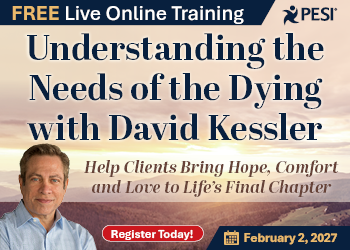
Understanding the Needs of the Dying with David Kessler
Help Clients Bring Hope, Comfort and Love to Life’s Final Chapter
Featuring David Kessler,
MA, RN, FACHE
Live Online
• February 2, 2027 • 10:30 AM – 2:45 PM Central Time
$199.99 Value
Can’t attend live? We’ve got you! Register anyway for 3-day FREE access to the
training!
*After you register, upgrade to receive up to 4 CE hours and/or 12-month recording access.
*After you register, upgrade to receive up to 4 CE hours and/or 12-month recording access.
When a patient is actively dying, the room fills with questions that don’t have clean answers: how much to say about what’s coming, how to help a family metabolize an impossible decision, when a “not yet” from the patient is denial and when it’s something else entirely.
There’s no algorithm for how much hope to hold onto, no script for the conversation about withdrawing care, and no clean line between clinical judgment and the raw grief sitting across from you.
David Kessler built his approach for moments exactly like this.
He’s widely recognized as one of the most accomplished voices working in grief and loss today. For a decade, he worked directly alongside his mentor, Elisabeth Kübler-Ross — a pioneer in near-death studies and developer of the five stages of grief, known worldwide as the “Kübler-Ross model.”
This training hands that approach directly to you, a structured way to work through the ambiguity instead of just absorbing it.
Leave with concrete skills to read near-death awareness and deathbed visions without dismissing them clinically, help families hold onto hope even as a prognosis narrows, and navigate advance directives and code status when the family and paperwork don’t agree.
You’ll get:
- A full day of live expert-led training
- Interactive Q&A
- Opportunities to connect with colleagues
- The complete set of course materials
- Upgrade to receive up to 4 live or self-study CE hours
This unique opportunity for free understanding the needs of the dying training may not come again…
And at no cost, you’ve got nothing to lose… And SO much to gain!
Understanding the Needs of the Dying with David Kessler
Help Clients Bring Hope, Comfort and Love to Life’s Final Chapter
Featuring David Kessler,
MA, RN, FACHE
Live Online
• February 2, 2027 • 10:30 AM – 2:45 PM Central Time
$199.99 Value
Can’t attend live? We’ve got you! Register anyway for 3-day FREE access to the
training!
*After you register, upgrade to receive up to 4 CE hours and/or 12-month recording access.
*After you register, upgrade to receive up to 4 CE hours and/or 12-month recording access.
Meet Your Trainer!
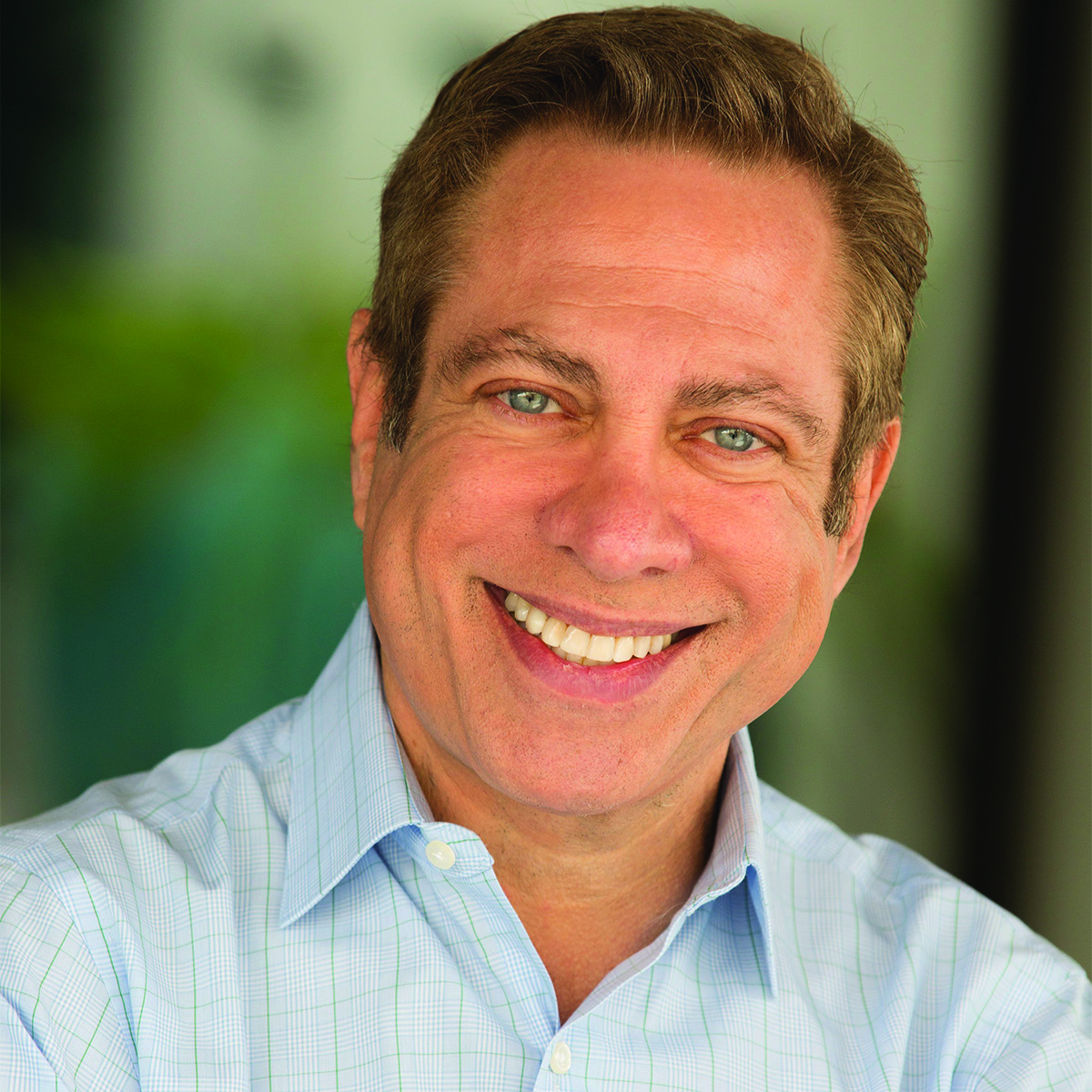
David Kessler is one of the world’s foremost experts on grief and loss. His experience with thousands of people on the edge of life and death has taught him the secrets to living a happy and fulfilled life, even after life’s tragedies.
He is the author of six books, including his latest bestselling book, Finding Meaning: The Sixth Stage of Grief. He co-authored two books with Elisabeth Kübler-Ross, Life Lessons and On Grief and Grieving, updating her 5 stages for grief. He also co-wrote You Can Heal Your Heart with Louise Hay. He authored Visions, Trips and Crowded Rooms: Who and What You See Before You Die. His first book, The Needs of the Dying, received praise from Saint (Mother) Teresa.
David’s personal experience as a child witnessing a mass shooting while his mother was dying in a hospital helped him begin his journey. For most of his life, David has taught physicians, nurses, counselors, police, and first responders about the end of life, trauma, and grief. However, despite his vast knowledge of grief, his life was turned upside down by the sudden death of his twenty-one-year-old son.
David’s volunteer work includes being a founding member of Project Angel Food, a well-known and loved non-profit organization. He currently serves on the board of The Farrah Fawcett Foundation, which provides cancer research, patient assistance, and prevention efforts. He also serves as Specialist Reserve for the Los Angeles Police as well as having served on the Red Cross’s disaster services team.
He has a new online model of grief support called Tender Hearts with over 25 groups, as well as one of the most respected Grief Certification programs. He is the founder of www.grief.com, which receives millions of visits yearly providing helpful resources to over 167 countries.

See what your colleagues are saying about David
Kessler!

“David Kessler is my friend and student. He carries on my work.”
— Elisabeth Kübler-Ross, M.D.
“David’s very presence with those approaching death was like being enveloped in a safe, cozy space. No harm could come to you if David was around. In fact, I recently asked him to be there when it is my time to go.”
— Louise L. Hay, New York Times best-selling author of You Can Heal Your Life
“This (David’s) book is a source of reflection over that most mysterious and beautiful moment which awaits us all.”
— Mother Teresa
“Always enjoy and learn from David Kessler presentations. He is down to earth and easy to understand. Identifies well with topic and those he presenting to.”
— Lori L.
“David Kessler is a premier presenter. It is so rewarding to hear him lecture.”
— Patricia
“David is amazing at how he breaks down grief to make it more understandable for clinicians.”
— Deb P.
“David Kessler is an organized and wonderful speaker. He imparts his knowledge and personal experiences clearly and concisely. I loved listening to him.”
— Jennelle W.
“I could relate to many of the situations of grief that David Kessler described. He was very helpful as I reflected on the many death incidents that I have encountered in my lifetime.”
— Betty C.
“Just love this presenter! David Kessler is a gift to our field and has helped inform so many clinicians and clients re how to face grief and loss.”
— Dana Z.
“Love David Kessler, I appreciate how he uses narrative to express support concepts.”
— Mary E.
Understanding the Needs of the Dying with David Kessler
Help Clients Bring Hope, Comfort and Love to Life’s Final Chapter
Featuring David Kessler,
MA, RN, FACHE
Live Online
• February 2, 2027 • 10:30 AM – 2:45 PM Central Time
$199.99 Value
Can’t attend live? We’ve got you! Register anyway for 3-day FREE access to the
training!
*After you register, upgrade to receive up to 4 CE hours and/or 12-month recording access.
*After you register, upgrade to receive up to 4 CE hours and/or 12-month recording access.
What You’ll Learn During This Free
Training
Signs of Impending Death
- Preparing family for physical changes
- Interventions for coping with emotional changes in the family
- Using near death awareness as a predictor in clinical settings
Palliative Care Model
- Academic settings vs community
- Physician led vs non physician led
- Roles of physician, nurse, social worker, case manager, discharge planner, clergy
- What’s best: Hospital, home health, hospice, skilled nursing facility
- Joint Commission certification
Hospice
- Remove barriers
- How hospice can increase length of stay while decreasing hospital time
- Bereavement services to enhance community partnerships
Death Related Sensory Experiences (Deathbed Visions)
- Effective and ineffective models for family coping and integration
- Religion in patients’ deathbed visions
- Use the law to normalize the dying experience
- Clinical/palliative care studies, research of near death awareness
Advance Directives
- Physician order for life sustaining treatment
- Make advance directives useful and medically effective
- D.N.R. (do not resuscitate) vs. A.N.D. (allow natural death)
- Code status and impact on the grieving process
Anticipatory Grief
- Treatment strategies for hospice, palliative care and mental health care professionals
- Key tools for normalizing
Helping the Dying Patient’s Children
- Tools for preparing a child for loss
- Interventions for coping with funerals
- Why children are often the forgotten grievers and how to help
The Ethics Committee and End of Life
- How and when to use your ethics committee
- How and why members of the end of life team can participate
- Techniques for helping families get the most out of the ethics meetings
- Steps for avoiding common pitfalls of ethics committees at the end of life
Hope and Miracles
- Help families integrate desire for miracles at the end of life
- Techniques for honoring hope without fostering denial
Cultural Differences
- Affecting care of the dying
- Tools for bridging the gap with healthcare providers and families
Medical Aid in Dying
- The realities of withdrawing care vs assisted suicide
- Latest techniques to support family and patient requests for MAID within the facilities and health care provider’s beliefs system
Understanding the Needs of the Dying with David Kessler
Help Clients Bring Hope, Comfort and Love to Life’s Final Chapter
Featuring David Kessler,
MA, RN, FACHE
Live Online
• February 2, 2027 • 10:30 AM – 2:45 PM Central Time
$199.99 Value
Can’t attend live? We’ve got you! Register anyway for 3-day FREE access to the
training!
*After you register, upgrade to receive up to 4 CE hours and/or 12-month recording access.
*After you register, upgrade to receive up to 4 CE hours and/or 12-month recording access.
Powered By…

Our goal at PESI Inc. is simple… connect knowledge with need. And over the last few years, thanks to the generosity of our expert speakers, authors, and the support of therapists like you, we’ve had the amazing opportunity to provide professional training to more therapists than ever FOR FREE.
Frequently Asked Questions
If you are a clinician who works with patients or families facing the end of life, this training was built for you. It takes a practical, applied approach to end-of-life care, grounded in decades of direct bedside work, giving participants tools for recognizing near-death awareness and deathbed visions, navigating advance directives and code status without losing sight of the grief underneath them, and distinguishing anticipatory grief from complicated grief before it takes hold. From helping families hold hope without slipping into denial to making sure the children in the room aren’t left out of the conversation, it is relevant whether you are early in your career or looking to deepen what you already know.
This training is designed for:
- Counselors
- Social Workers
- Psychologists
- Therapists
- Marriage & Family Therapists
- Nurses
- Case Managers
- Palliative Care Services
- Chaplains
- Hospice Professionals
- Other Mental Health Professionals
No catch. Over the last few years, thanks to the generosity of our expert speakers and the
support of therapists like you, we’ve had the amazing opportunity to provide
professional training to more therapists than ever.
Just register today above with your name and email, then click the “LIVE CE”
button on the next page to purchase your credit package for just $69.99 (discounted from
$199.99) — only available for those who register here and purchase before the end of
the webinar.
Yes! Just register above and then click the “Self Study” CE button on the next
page and purchase the recording package. You’ll get 12-month access to the training
and will be able to earn self-study CE.
YES! You’ll be able to engage with the presenter and chat with colleagues throughout
the presentation.
February 2 from 10:30am – 2:45pm Central Time. A more detailed schedule is available
upon request.
Yes, anyone who registers will get 3 days access to watch the archived recording once it is
made available.
Event Countdown
0
Days
:
0
Hours
:
0
Minutes
:
0
Seconds
100% Satisfaction Guarantee
Register for this intensive training course without risk. If you're not completely
satisfied, give us a call at 800-844-8260.We’re that confident you’ll find this learning experience to be all that’s promised and more than you expected.