- Employ evidence-based assessments to identify mental health symptoms stemming from traumatic medical events to inform clinical treatment interventions.
- Utilize the ecological model of medical trauma to develop a trauma-informed case formulation.
- Practice at least two strategies for communicating effectively with clients about the mind-body connection for the purposes of improving treatment engagement.
- Utilize cognitive restructuring on clients’ unhelpful core beliefs and automatic thoughts centered on worth, ability, or control.
- Construct behavioral experiments designed to assist clients with decreasing reactivity to medical-trauma related cues.
- Integrate at least two health and rehabilitation psychology strategies into trauma treatment.

Whether
it’s a sudden medical emergency or the first signs of a chronic, life-altering
illness —
A health crisis can upend your client’s life at any moment.
And while the treatment tools you’re already using can be helpful, you recognize that there’s much more to target when it comes to medical trauma.
You’ve got to help clients with:
Adjusting to life in their changed body • Managing somatic trauma cues • Coping with health anxiety • Dealing with stigma, ableism, and toxic positivity • Recalibrating relationships • Getting to medical appointments despite fear
Join medical trauma experts Dr. Sacha McBain and Dr. Michelle Flaum for this FREE TRAINING that will give you integrative, evidence-based tools you can use right away to help clients access additional pathways for healing and recovery beyond traditional trauma treatment. You’ll learn how to:
- Take a comprehensive health history that recognizes biopsychospiritual crises
- Combat stigma, ableism, and toxic positivity with clear conversations about the mind-body connection
- Restructure unhelpful thoughts and feelings related to control, ability, and worth
- Manage chronic pain and insomnia and incorporate cognitive rehabilitation strategies
- Support effective medical self-advocacy to promote healthcare engagement
- AND MUCH MORE!
★ FREE Virtual Training ★
Register
Today — No Cost!
Can’t attend live? Register anyway for 3-day free access!
CE hours and book are available for an additional cost.
CE hours and book are available for an additional cost.
By registering, you agree to our Terms of Use, Privacy Notice, and if applicable, our Event Terms.
PLUS, when you upgrade your registration, you’ll receive a copy of Dr. McBain and Dr. Flaum’s highly-anticipated new book, Medical Trauma: Assessment Tools, Coping Skills, and Recovery Strategies for Survivors and Therapists.
REGISTER FOR FREE TODAY!
FREE Virtual Training
Medical Trauma:
Clinical Tools for
Treating PTSD, Anxiety, and Depression Following a Health Crisis
Featuring Sacha McBain, PhD & Michelle Flaum, EdD, LPCC-S, DCMHS
Monday, November 23 • 9:00am – 5:00pm Central
Value Price of training: $249.99
Can’t attend live? Register anyway for 3-day free access to the training!
CE hours and book are available for an additional cost. Register for more information.
CE hours and book are available for an additional cost. Register for more information.

About Your Presenters
“Dr. McBain was the best presenter I ever had. She was very organized and extremely
knowledgeable about medical trauma. I would definitely register for another training taught by
her.”
— on Sacha McBain
“I’ll begin using these techniques tomorrow – I have several patients with
significant medical issues and multiple hospitalizations.”
— on Sacha McBain
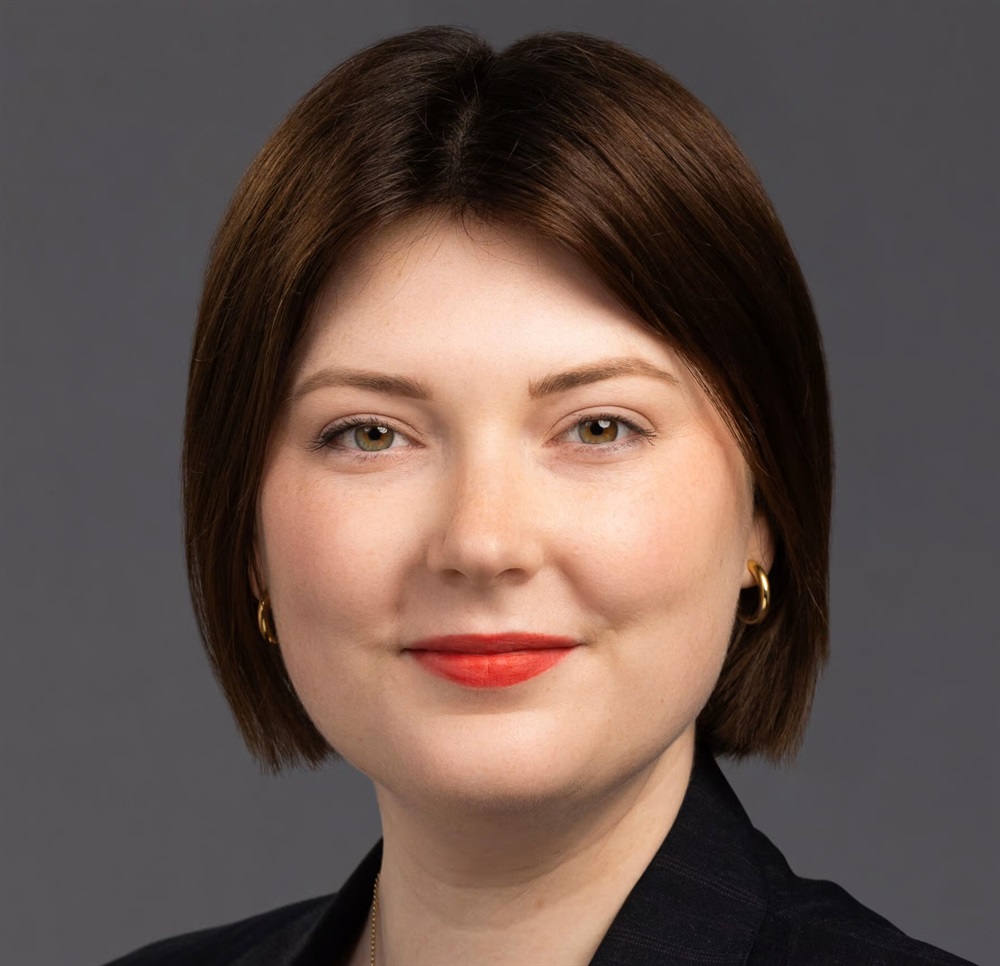
Sacha McBain, PhD
Sacha McBain, PhD is a clinical psychologist and associate professor at Rush University System for Health in Chicago, IL. A national leader in medical traumatic stress, Dr. McBain has published peer-reviewed research on the conceptualization and treatment of medical trauma, led national clinical trainings, and helped shape best practices for mental health screening and intervention after traumatic injury. She has worked alongside interdisciplinary partners to develop trauma-informed care approaches and is passionate about bringing psychological intervention to critical care and surgical settings. Through her research, education, and clinical practice, she pushes for better care systems for patients and families impacted by medical trauma. Dr. McBain contributed to the American College of Surgeons Mental Health and Substance Use Disorder Best Practice Guidelines Work Group and is an active member of the International Society for Traumatic Stress Studies.
“One very VERY knowledgeable and considered, professional human being. So much
information, so easily and clearly delivered.”
— on Michelle Flaum
“I love Michelle Flaum’s presentation on medical trauma and immediately thought of
how the information might apply to my patients. I found this workshop extremely helpful.”
— on Michelle Flaum

Michelle Flaum, EdD, LPCC-S, DCMHS
Michelle Flaum, EdD, LPCC-S, DCMHS, is author of the first book dedicated solely to the topic of medical trauma, Managing the Psychological Impact of Medical Trauma: A Guide for Mental Health and Health Care Professionals and founder of the Certificate in Medical Trauma-Informed Care at Xavier University, which is the first training program of its kind worldwide. A Fellow of the American Mental Health Counselors Association, and Dual-Diplomate, Clinical Mental Health Counseling Specialist in Trauma Counseling and Integrated Behavioral Health Care Counseling, Dr. Flaum has worked with the California Maternal Quality Care Collaborative/Stanford University and The Council on Patient Safety in Women’s Healthcare to develop assessment tools to help clinicians provide improved quality of care for patients who experience medical trauma. She is a strong advocate for integrating mental health professionals into treatment teams to enhance the patient experience and improve patient care, and her assessment tools and protocols are used throughout the world. She is the medical trauma specialist and executive board member for Live the Pain, an international organization of professionals based in Tel Aviv, Israel working to bring innovative solutions to the management of pain. Additionally, Dr. Flaum has been featured throughout the media, including NPR’s All Things Considered, Doctor Radio on SiriusXM, Health Professional Radio, Refinery29, Social Work Today, Psychotherapy Networker, Counseling Today, Healthcentral.com, The Conversation and Elle Magazine.
{Faculty2WithBio}
FREE Virtual Training
Medical Trauma:
Clinical Tools for
Treating PTSD, Anxiety, and Depression Following a Health Crisis
Featuring Sacha McBain, PhD & Michelle Flaum, EdD, LPCC-S, DCMHS
Monday, November 23 • 9:00am – 5:00pm Central
Value Price of training: $249.99
Can’t attend live? Register anyway for 3-day free access to the training!
CE hours and book are available for an additional cost. Register for more information.
CE hours and book are available for an additional cost. Register for more information.
What You’ll Learn
Assess Medical Traumatic Stress
How medical trauma differs from other types of trauma
How medical trauma differs from other types of trauma
- How to get the full story:
- Trauma interview
- Health-related anxiety
- Distress thermometer
- Comprehensive health history
- Recognize clinical disorders and biopsychospiritual crises
The Layered Narrative of Medical Trauma
Case conceptualization and treatment preparation
Case conceptualization and treatment preparation
- Experience with initial injury/illness treatment experiences
- Issues in short- and long-term recovery
- “Disenfranchised” nature of medical trauma: how to have conversations with clients about the mind-body connection
- Recalibrate relationships: naming stigma, ableism, and toxic positivity
- Ecological model of medical trauma
Treatment of Medical Trauma
Integrative approach to treat clients’ unique needs
Integrative approach to treat clients’ unique needs
- Identify medical trauma-related core beliefs and cognitions
- Engage behavioral strategies
- Address social constraints and systemic invalidation
- Integrate health and rehabilitation psychology principles
- Illness/injury psychoeducation
- Meaning making
- Coping with somatic trauma cues
- Strategies for managing insomnia and chronic pain
- Adjustment to illness or injury
- Expectation management
- Cognitive rehabilitation
- Support medical advocacy and avoiding retraumatization
- Limitations of the research and potential risks
Case Studies
- PTSD and COVID-19: 36-year-old woman
- Social anxiety and irritable bowel disease: 20-year-old man
- Dependent personality disorder and congenital heart condition: 45-year-old woman
FREE Virtual Training
Medical Trauma:
Clinical Tools for
Treating PTSD, Anxiety, and Depression Following a Health Crisis
Featuring Sacha McBain, PhD & Michelle Flaum, EdD, LPCC-S, DCMHS
Monday, November 23 • 9:00am – 5:00pm Central
Value Price of training: $249.99
Can’t attend live? Register anyway for 3-day free access to the training!
CE hours and book are available for an additional cost. Register for more information.
CE hours and book are available for an additional cost. Register for more information.
About the Book
Medical Trauma: Assessment
Tools, Coping Skills, and Recovery Strategies for Survivors and Therapists
A $29.99 value, included with your CE upgrade purchase
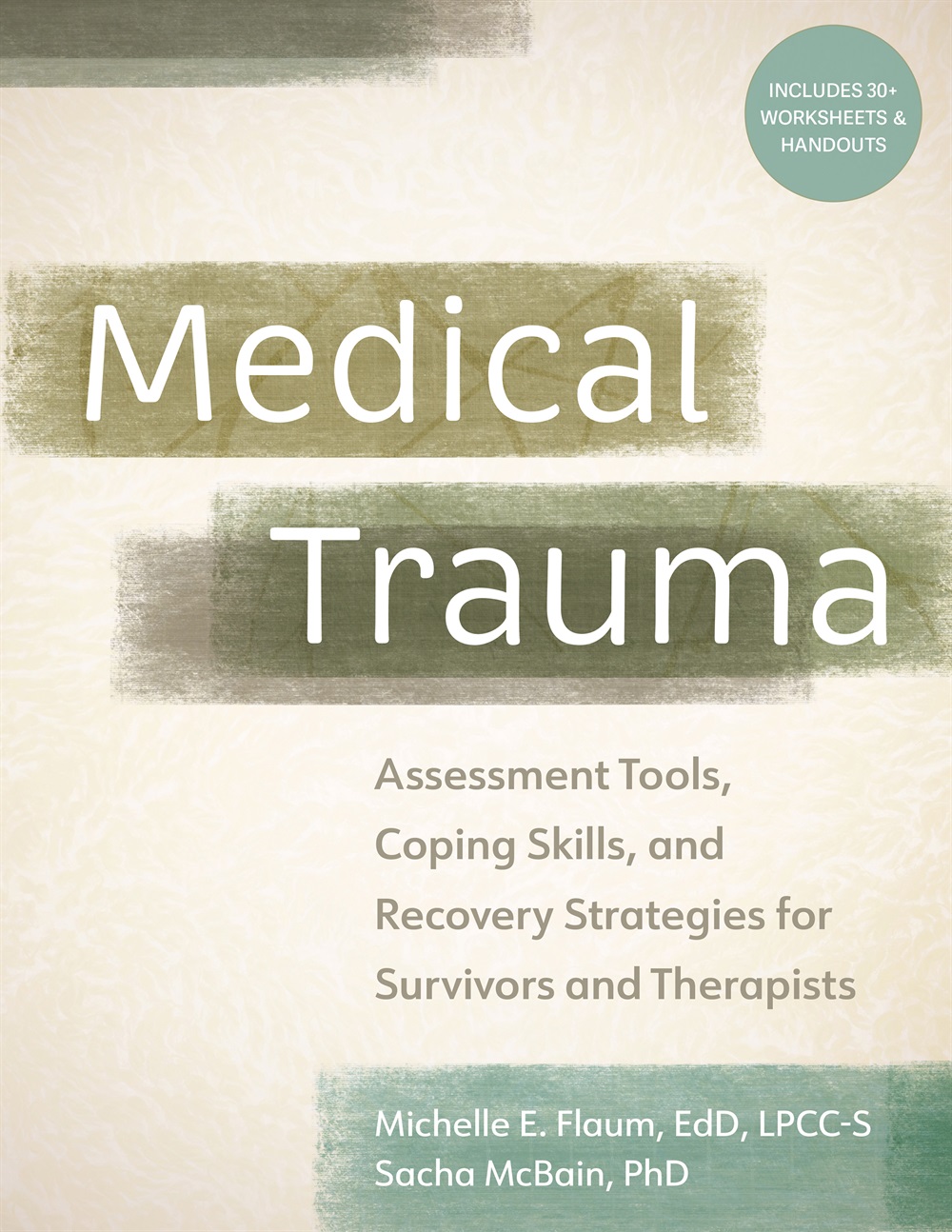
Medical trauma can hide in plain sight, shaping how we relate to ourselves and the world long after care has ended. It may show up as PTSD, anxiety, depression, or grief, stemming from a sudden medical emergency, a prolonged hospitalization, a chronic illness, or years of being dismissed or mistreated by providers.
Written by expert clinicians and researchers on the topic of medical trauma, this book offers a clear roadmap to recovery for survivors and caregivers alike. Inside, you’ll find actionable strategies, real-world case studies, and advocacy resources to help you:
- Understand what medical trauma is and how it affects mind, body, and relationships
- Recognize identity-based mistreatment, bias, and discrimination
- Address secondary disruptions to work, finances, relationships, and sense of self
- Draw on personal strengths that support posttraumatic growth
- Navigate medical systems with greater clarity and agency
- Rebuild trust with providers while maintaining boundaries in healthcare settings
Whether you are navigating your own healing or supporting others through theirs, you don’t have to face the complexities of medical trauma alone — hope and recovery are within reach.
Frequently Asked Questions
No catch. Over the last few years, thanks to the generosity of our expert speakers and the
support of therapists like you, we’ve had the amazing opportunity to provide professional
training to more therapists than ever. This event is our way of supporting you and your clients.
If you work with clients who have experienced medical trauma — including sudden medical emergencies, chronic illness, prolonged hospitalization, or medical mistreatment — this training will give you immediately applicable tools. It’s designed for:
- Counselors
- Social Workers
- Psychologists
- Marriage & Family Therapists
- Psychiatrists and Psychiatric Nurses
- Other Mental Health Professionals
Just register above with your name and email, then click the CE upgrade button on the next page.
Your CE package includes the book, Medical Trauma: Assessment Tools, Coping Skills, and
Recovery Strategies for Survivors and Therapists, as a $29.99 value.
Yes! Anyone who registers will get 3 days of free access to the archived recording once it is
made available. To earn CE credit, you must upgrade your registration.
Visit our FAQ page at www.pesi.com/faq
or contact us at www.pesi.com/info.
Event Countdown
0
Days
:
0
Hours
:
0
Minutes
:
0
Seconds
FREE Virtual Training
Medical Trauma:
Clinical Tools for
Treating PTSD, Anxiety, and Depression Following a Health Crisis
Featuring Sacha McBain, PhD & Michelle Flaum, EdD, LPCC-S, DCMHS
Monday, November 23 • 9:00am – 5:00pm Central
Value Price of training: $249.99
Can’t attend live? Register anyway for 3-day free access to the training!
CE hours and book are available for an additional cost. Register for more information.
CE hours and book are available for an additional cost. Register for more information.
100% Satisfaction Guarantee
Register for this intensive training course without risk. If you're not completely
satisfied, give us a call at 800-844-8260.We’re that confident you’ll find this learning experience to be all that’s promised and more than you expected.