


EMDR is the evidence-based treatment trusted worldwide to help clients heal from trauma.
But the protocol is just the beginning.
Because when you can adapt EMDR and integrate it with other approaches, it becomes even more accessible, flexible, and powerful.
This self-paced training gives you foundational EMDR training PLUS the adaptations and integrative strategies that take EMDR to the next level.
Start by joining certified EMDR trainer and consultant Karee Powers for detailed instruction, real-world examples and video demonstrations that show you exactly how EMDR is done.
Then go even deeper with 10 leading experts, including Dr. Arielle Schwartz, Dr. Tara Travia, Dr. Phil Manfield, and Dr. Daphne Fatter, for the adaptations, clinical insights, and integrations with leading therapies like IFS and ACT that make EMDR even stronger when you’re working with PTSD, complex trauma, attachment wounds, grief, addiction, and more.
When you register, you’ll get instant access to:
- Over 36 hours of on-demand EMDR training you can complete at your own pace
- Complete set of downloadable training materials
- Video demos of EMDR in action so you know exactly what to expect in a session
- Adaptations and Integrations to meet every client where they are — dissociation, overwhelm, stuck processing, and more
This course gives you a comprehensive, multi-expert EMDR training in one convenient package at a price you can afford.
Register now.
PS — We’re so sure you’re going to love this complete EMDR training, we’ve backed it with our 100% satisfaction guarantee.
Foundational Instruction Plus Integrative Strategies for Complex Trauma, Attachment Wounds, Grief, and More
$1,719.87 Value – Just $299.99 Today!
GET STARTED NOWCredit details | Course objectives and outline
This course is not affiliated with EMDRIA and does not qualify toward EMDRIA credits or training
What Sets This Training Apart
This course was designed to make EMDR training easier and more affordable than ever before, with step-by-step instruction, demonstrations, and more!
A World-Class Faculty
11 EMDR and trauma experts who have taught thousands of clinicians just like you.
Beginner-Friendly, Expert-Deep
Accessible for beginners but robust enough to sharpen a seasoned clinician’s skills.
Fully On-Demand and Self-Paced
Pause, rewind, and revisit over 36 hours of EMDR training on your schedule.
Even More Than the Protocol
Adaptations plus how to weave EMDR together with IFS, ACT, and other leading approaches.
Demonstrations and Real Session Videos
See EMDR in action so you know exactly what to expect in a session.
Complete Downloadable Materials
A full set of training materials to download, keep, and use as you practice.
Here’s What You’ll Learn
Foundational EMDR Training Curriculum
Karee Powers, LCSW, CCTP-II, EMDR-CCertified EMDR Clinician, trainer, and consultant
Information about Karee Powers
Start with over 12 hours of foundational EMDR training, from the neuroscience of trauma to the complete 8-phase protocol, taught step by step with real-world demonstrations.
Trauma and Neuroscience
- Key brain areas involved in trauma
- Polyvagal Theory and types of freeze responses
- Trauma and insecure attachment
- The neuroscience of developmental trauma
- Clinical implications of the freeze response
How the EMDR Approach Works
- The neuroscience of exposure therapy and cognitive therapy
- The neuroscience of relaxation exercises
- EMDR and other “transformative therapies”
- Why EMDR works so well from a brain perspective
Trauma Symptoms and Assessment Tools
- Traumatic memories and intrusive thoughts
- Phobias and anxiety: insula hyperactivation
- Emotional hijackings and implicit memory
- The avoidance cluster of symptoms
- Why treating avoidance in trauma is critical
EMDR Trauma Treatment
- The original 8-phase model
- Client history and treatment planning
- How to resource: create a safe space
- Assessment: choose a target, SUDS, connect with the image, emotions, and thoughts
- Desensitization: tactile vs. auditory vs. eye movement
- How to use touchpoints, TheraTapper, and CDs
EMDR Techniques to Resolve Traumatic Memories
- Modifications for complex and developmental trauma
- Why not to use the standard protocol: rationale for modifications
- Resourcing strategies
- Techniques to reinforce and activate positive neural networks
- Relevance of Polyvagal Theory, early trauma, and EMDR
Attachment-Based EMDR
- Strategies to treat relational trauma
- Strategies to foster the critical connection between client and therapist
- Mirror neuron activation
- How to emphasize safety during sessions
- Guidance on order of operations
Take EMDR to the Next Level with Specialized Modules on Integrative and Adaptive Strategies
Get flexible, real-world strategies you need to keep clients engaged, prevent stalled processing, and guide them all the way through to resolution.
You’ll learn how to make early sessions more stable, safe, and tolerable, manage somatic dysregulation, handle dissociation and shutdown, and integrate EMDR with powerful complementary approaches like ACT and IFS.
Help Clients Handle Difficult Material and Remain Engaged: Integrating ACT Skills into EMDR
Tara Travia, PhDAuthor of Integrating EMDR and Acceptance and Commitment Therapy
Information about Tara Travia
Handling distressing and emotionally charged material is one of your biggest challenges in EMDR. Join Certified EMDR therapist Tara Travia, PhD, as she gives you a step-by-step guide to using ACT skills in EMDR therapy — complete with a flexible set of skills, interweaves, and resourcing techniques — so you can make trauma resolution gentler and more focused on behavior-change outside of sessions.
Walk away ready to:
- Develop client histories that seamlessly guide them through all 8 phases
- Help clients feel more grounded in sessions
- Navigate clients who want to rush the process and avoid it with daily crises
- Pave the way for smoother healing by reducing self-judgment and dysregulation
Reconnect Clients with Their Bodies: Process Trauma from the Bottom Up with Somatic EMDR
Arielle Schwartz, PhD, CCTP-II, E-RYT, EMDR-CAcclaimed Trauma Therapist, author, and trainer
Information about Arielle Schwartz
Trauma isn’t just in the story — it’s held in the body, in tension, numbness, and dysregulation that talk alone can’t reach. In this session, you’ll learn somatic tools to integrate with EMDR so clients can reconnect with their bodies, regulate their emotions, and process trauma from the bottom up.
Walk away ready to:
- Safely work with clients’ emotions, sensations, and psychophysiological arousal
- Use techniques for memory reprocessing with cognitive restructuring
- Apply Dr. Schwartz’s best resourcing strategies to create a safe space
Keys to Co-Regulation and Moment-to-Moment Collaboration with Clients: Integrating Polyvagal Theory into the 8 Phases
Laura Swinford, LCSW, EMDR-CCertified EMDR Clinician and EMDR Bootcamp trainer
Information about Laura Swinford
EMDR is not an 8-phase mechanical protocol — it is an 8-phase relational process. Join EMDR certified therapist and consultant Laura Swinford, LCSW, EMDR-C, and learn how the efficacy of each phase can be increased through attunement, pacing, co-regulation, and moment-by-moment collaboration with the client.
You’ll leave with:
- Attunement, pacing, and co-regulation strategies that improve collaboration
- Somatic markers to reinforce connection
- Resourcing language to use in session
Work with Clients’ Conflicting Parts that Can Impede Healing: Integrating IFS and EMDR
Daphne Fatter, PhDAuthor of Integrating IFS (Internal Family Systems) into EMDR Therapy
Information about Daphne Fatter
Internal conflicts are where trauma’s grip tightens. Because when their inner parts are at odds, clients get trapped in a paralyzing internal tug-of-war. And it blocks their ability to fully process the trauma. Join Dr. Daphne Fatter and learn how to use IFS with EMDR to work with conflicting parts that impede healing and allow for targeted treatment of the underlying wounds.
Walk away with:
- Strategies for identifying clinical signs to combine these powerful approaches
- The latest, most up-to-date research on integration techniques
- Practical case examples and case conceptualizations
EMDR for Stubborn Unwanted Behaviors
Gerard Ilaria, LCSW-R, EMDR-CInformation about Gerard Ilaria
Clients can spend entire sessions talking about unwanted behaviors. Without the ability to stop these behaviors, they stay stuck in the same painful cycle of venting, regret, and damage control. Join EMDR expert Gerard Ilaria, LCSW-R, EMDR-C, and discover tools to help your EMDR clients change how they behave, relate, respond, and recover.
You’ll get:
- Strategies for eliminating or reducing unwanted behaviors and replacing them with healthier ones
- Tools to help clients better handle stress and anxiety
- Techniques for boosting self-esteem and regaining the autonomy sacrificed to compulsions
Integrating Flash Technique with EMDR: Your Way Forward When a Client Shuts Down, Dissociates or Can’t Go Near the Memory
Dr. Phil ManfieldDeveloper of the Flash Technique
Information about Philip Manfield
When a client dissociates, shuts down, or simply can’t tolerate going near the memory, the Flash Technique gives you a way forward. In this session, you’ll join Dr. Phil Manfield, developer of the Flash Technique, and learn to use it to take the edge off the most disturbing memories — often in 10 to 15 minutes — so standard EMDR processing can finally begin.
Walk away with:
- Essential steps to applying the Flash Technique with traumatized clients
- Safe and effective strategies for processing traumatic memories
- Demos to help you learn
Foundational Instruction Plus Integrative Strategies for Complex Trauma, Attachment Wounds, Grief, and More
$1,719.87 Value – Just $299.99 Today!
GET STARTED NOWCredit details | Course objectives and outline
This course is not affiliated with EMDRIA and does not qualify toward EMDRIA credits or training
Bonus Modules
When you purchase, you get 6 bonus modules to take your EMDR work even further, so you can master resourcing, stabilize your clients’ nervous systems, and build safety before processing. PLUS, learn to use EMDR with clients with substance use disorders!
The Ultimate Resourcing Toolkit for Attachment Trauma
Alison Teal, certified EMDR therapistDeveloper of Super Resourcing
Information about Alison Teal
The resourcing phase might be the most important key in all of trauma treatment — helping clients feel safe enough to face and process their wounds without getting overwhelmed. Join Alison Teal, certified EMDR therapist and developer of the Super Resourcing approach, to strengthen your client’s internal resources and help their wounded parts feel safe, supported, and integrated.
End this module ready to:
- Create the safety, protection, and guidance that are so critical to good therapy
- Reduce trauma symptoms without processing trauma directly
- Provide gentle, effective attachment repair for wounded parts
- Guide clients in creating their own corrective emotional environment of installed resources with accompanying positive sensations, emotions, and cognitions
Tapping and Bilateral Stimulation Toolkit for EMDR Therapists
Stacy Ruse, LPC, EMDR-CGlobally recognized trauma expert, author, and trainer
Information about Stacy Ruse
Tapping has become one of the most widely used forms of bilateral stimulation in EMDR. In this practical session, Stacy Ruse, who’s trained thousands of EMDR therapists, walks through a range of tapping and bilateral stimulation techniques you can bring straight into your work.
Leave with:
- Tapping techniques that can be integrated into virtually any treatment approach
- How, why, and when to use them with clients of any age
- Specific uses of tapping techniques in trauma therapy for resourcing
Grief-Specific Adaptations to the Core EMDR Protocol
Kathy Couch, LCSW, FTGrief Expert and Founder of EMDR University
Information about Kathy Couch
Unprocessed memories prevent natural healing. So clients stuck in cycles of intense distress, avoidance, or rumination months or years after a loss often need more than to talk. Join Kathy Couch, Fellow of Thanatology and founder of EMDR University and learn to use EMDR’s eight-phase protocol with specific, practical adaptations for loss.
Leave this module knowing:
- How unprocessed memories and attachment wounds perpetuate Complicated Grief
- Grief-specific adaptations to the core EMDR protocol
- Best practices for combining EMDR with other grief interventions
EMDR for Trauma-Driven Compulsions and Cravings
Stacy Ruse, LPC, EMDR-CGlobally recognized trauma expert, author, and trainer
Information about Stacy Ruse
Something always pulls them back. The cravings, the urges, the compulsions — despite all their efforts, they can’t seem to break free. Join Stacy Ruse, LPC, for the practical tools and specialized protocols that you can immediately apply to reach the traumatic roots of addiction, release the grip of cravings and urges, and offer your clients a powerful, lasting path to recovery.
End this module ready to:
- Integrate addiction-specific targets and cognitions
- Address barriers to treatment, including dissociation, alexithymia, affect dysregulation, and blocking beliefs
- Integrate EMDR into relapse prevention strategies
EMDR for Survivors of Interpersonal Violence: Tools to Process Traumatic Memories and Repair the Internal Self
Katelyn Baxter-Musser, LCSWCertified EMDR therapist and top-rated PESI trainer
Information about Katelyn Baxter-Musser
Shame, powerlessness, and self-blame. Survivors of interpersonal violence need to be able to process their traumatic memories while also repairing their internal self. This workshop, led by international presenter and trainer Katelyn Baxter-Musser, LCSW, shows you how.
Leave this module with:
- Tools for prioritizing stabilization and nervous system regulation
- Pacing strategies
- Resourcing and grounding interventions for clients experiencing shame, dissociation, or internal conflict
- Interwoven cognitive and EMDR strategies for fostering self-worth and autonomy
Treating Transgenerational Trauma with EMDR
Karee Powers, LCSW, CCTP-II, EMDR-CCertified EMDR Clinician, trainer, and consultant
Information about Karee Powers
Complex family dynamics and differing cultural backgrounds make treating transgenerational trauma a challenge. Join Karee Powers and get tools to evaluate patterns of trauma in your client’s family and walk away with strategies to increase your client’s connection to transgenerational resiliency.
You’ll get:
- Practical demonstrations of using tools like Legacy Attuned EMDR
- EMDR methods for increasing resiliency
- Healing techniques for transgenerational trauma you can integrate today
Foundational Instruction Plus Integrative Strategies for Complex Trauma, Attachment Wounds, Grief, and More
$1,719.87 Value – Just $299.99 Today!
GET STARTED NOWCredit details | Course objectives and outline
This course is not affiliated with EMDRIA and does not qualify toward EMDRIA credits or training
Get Ready to Master EMDR with These Leading Experts

Karee Powers
LCSW, CCTP-II, EMDR-C
Certified EMDR Clinician, trainer and consultant

Tara Travia
PhD
Author of Integrating EMDR and Acceptance and Commitment Therapy

Arielle Schwartz
PhD, CCTP-II, E-RYT, EMDR-C
Master Complex Trauma Trainer & Therapist

Laura Swinford
LCSW, EMDR-C
Certified EMDR Clinician and EMDR Bootcamp trainer

Daphne Fatter
PhD
Author of Integrating IFS (Internal Family Systems) into EMDR Therapy

Kathy Couch
LCSW, FT
Grief Expert and Founder of EMDR University

Gerard Ilaria
LCSW-R, EMDR-C
Certified EMDR Clinician with over 35 years of clinical experience

Katelyn Baxter-Musser
LCSW
Certified EMDR therapist and top-rated PESI trainer
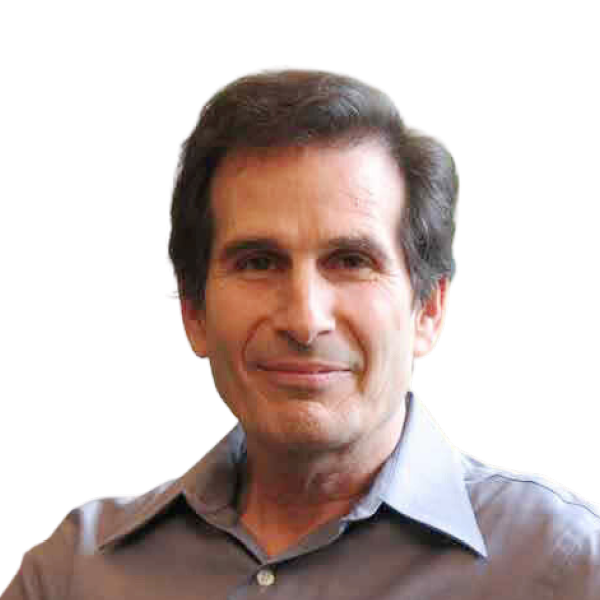
Philip Manfield
PhD
Developer of The Flash Technique and author of EMDR Up Close

Alison Teal
MFT
Founder of the Super Resourcing Institute

Stacy Ruse
LPC, EMDR-C
Globally recognized trauma-expert and trainer
Here’s Why Clinicians Like You Loved Learning EMDR with This Program
“I am new to EMDR and found this very accessible.”
“Loved the actual session videos - very helpful!”
“I was very impressed. This was an outstanding class.”
“Really appreciated being able to see EMDR in action as opposed to just discussing the therapy at a high level - really helped connect the material.”
Foundational Instruction Plus Integrative Strategies for Complex Trauma, Attachment Wounds, Grief, and More
$1,719.87 Value – Just $299.99 Today!
GET STARTED NOWCredit details | Course objectives and outline
This course is not affiliated with EMDRIA and does not qualify toward EMDRIA credits or training
Frequently Asked Questions
I’m new to EMDR; how will it help my practice?
EMDR provides a clinical roadmap to compassionately explore and treat your clients’ trauma without re-triggering pain that can derail treatment or even cause clients to withdraw from therapy. Importantly, EMDR is one of the most scientifically validated and evidence-based trauma treatments ever developed.
Don’t just take it from us; EMDR is one of the most effective trauma treatments by internationally respected trauma treatment facilities. In fact, EMDR has the highest recommendation across most clinical practice guidelines, including the Veterans Affairs/Department of Defense (VA/DoD) Clinical Practice Guideline for Management of PTSD, the International Society for Traumatic Stress Studies (ISTSS), the United Kingdom’s National Institute for Health and Clinical Excellence, and the Australian National Health and Medical Research Council. The American Psychological Association (APA) gave EMDR a conditional rating.
Will I be ready to use EMDR after this training course?
This course is intended to be a very comprehensive starting point, giving you everything you need to learn about using EMDR. And as a licensed professional, you are responsible for making decisions on your scope of practice, comfort level, and ability to apply therapeutic techniques with clients. The valuable tools from Phases 1 and 2 you’ll learn should be ones you can use right away with clients — enhancing your practice even if you never take another step toward EMDR mastery. However, our trainers stress the importance of practice and ongoing consultation hours with an experienced EMDR practitioner if you plan on utilizing Phases 3 to 8 to avoid common pitfalls and ensure you are implementing safely and effectively.
When do I get access to course materials?
Immediately! You can start your training as soon as you register. You will have on-demand and Unlimited Access to all the materials.
Is this an EMDRIA-approved course that leads to EMDRIA certification or credentials?
No, this program is not affiliated with EMDRIA and does not lead to any credits or certifications through EMDRIA. But here’s the good news — you are not required to learn EMDR therapy through a training provider affiliated with EMDRIA. As a licensed therapist, you have the freedom to pursue EMDR training from a variety of reputable sources.
Foundational Instruction Plus Integrative Strategies for Complex Trauma, Attachment Wounds, Grief, and More
$1,719.87 Value – Just $299.99 Today!
GET STARTED NOWCredit details | Course objectives and outline
This course is not affiliated with EMDRIA and does not qualify toward EMDRIA credits or training
100% Satisfaction Guarantee
Register for this intensive training course without risk. If you’re not completely satisfied, give us a call at 800-844-8260.
We’re that confident you’ll find this learning experience to be all that’s promised and more than you expected.