
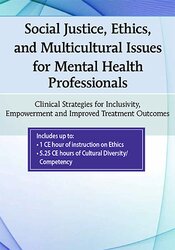
Social Justice, Ethics and Multicultural Issues for Mental Health Professionals: Clinical Strategies for Inclusivity, Empowerment and Improved Treatment Outcomes
- Speaker:
- Lisa Connors, PhD, LCPC, LPC, NCC
- Duration:
- 6 Hours 09 Minutes
- Format:
- Audio and Video
- Copyright:
-
Dec 27, 2024
- Product Code:
- POS055270
- Media Type:
- Digital Seminar - Also available: Live Webinar

Description
Effective treatment focuses on the whole person. The thoughts, behaviors and sufferings of your clients are intimately connected to the social and cultural context in which they live.
Without seeing your clients in their entirety, you could fail to recognize the unique challenges, stressors, barriers and burdens that can lie at the heart of their mental health issues. But even therapists can feel uncomfortable with conversations surrounding racial, cultural, sexual, economic and religious issues. And cultural stigmas and distrust born from societal power dynamics can cause some clients to hold back in therapy or leave treatment entirely.
This inspiring class will open your eyes to the struggles of disenfranchised or marginalized populations, and give you practical and innovative techniques so you can comfortably and successfully work with them in treatment. You’ll leave able to more capably assess clients, avoid cultural misunderstandings that can harm the therapeutic alliance, and gain the trust you need to achieve truly transformative results.
It’s time to be the change you wish to see.
Purchase today and feel the satisfaction and joy that come with being a better advocate for clients individually, communally and globally!
Credit
Speaker
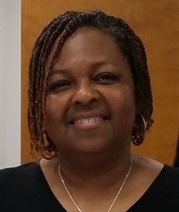
Lisa Connors, PhD, LCPC, LPC, NCC Related seminars and products
Lisa Connors, PhD, LCPC, LPC, NCC is a licensed clinical professional counselor (MD), licensed professional counselor (PA), national certified counselor, board-certified coach, master addiction counselor, certified clinical trauma professional, and certified grief-informed professional. She is also a fellow in thanatology.
Ms. Connors has been in the human services/social work/counseling/addiction fields for over 30 years. She has worked in a variety of settings providing services to the despondent and downtrodden. Ms. Connors works tirelessly to help others reach their fullest potential in life, helping and empowering others who have been oppressed, stigmatized, marginalized, and victimized. Her greatest passion is working with individuals affected by HIV/AIDS, substance use and mental health disorders, violence/abuse/trauma, grief and loss, and racial and social injustices.
Ms. Connors has served on the Board of Directors for the Maryland Chapter of the National Association of Social Workers and is the past co-chair of the HIV Planning Group for the state of Maryland. Currently, she serves as the interim secretary and treasurer for the Pennsylvania Association of Addiction Professionals. In addition to her clinical work, Ms. Connors is a college professor at Anne Arundel Community College. She is a member of many organizations, including ACA, NASW, NAADAC, and ADEC. Ms. Connors earned her Master of Arts in professional counseling from Liberty University, her Master of Divinity from Howard University, and her PhD in psychology at Walden University.
Speaker Disclosures:
Financial: Lisa Connors maintains a private practice and has employment relationships with Anne Arundel Community College, University of Maryland, and The Institute for Life Coach Training. She receives compensation as a consultant. Lisa Connors receives a speaking honorarium and recording royalties from PESI, Inc. She has no relevant financial relationships with ineligible organizations.
Non-financial: Lisa Connors is a member of the Maryland Association of Addiction Professionals, the National Association of Social Workers (NASW), and the American Counseling Association (ACA).
Additional Info
Access for Self-Study (Non-Interactive)Access never expires for this product.
For a more detailed outline that includes times or durations of time, if needed, please contact cepesi@pesi.com.
Questions?
Visit our FAQ page at www.pesi.com/faq or contact us at www.pesi.com/info
Objectives
- Determine how social class and race can impact clinical assessment and treatment of mental health issues.
- Identify the values and biases of clinicians that can influence treatment and therapeutic outcomes.
- Examine how mental health clinicians can better understand clients within their social and cultural environments to avoid misunderstanding that can harm the therapeutic alliance.
- Demonstrate how clinicians can more comfortably and capably discuss issues surrounding race and economic issues that clients can be reluctant to talk about.
- Determine how clinicians can help clients overcome cultural shame for improved engagement in mental health treatment.
- Identify two ways clinicians can reduce barriers to mental health treatment that face minority groups and disenfranchised people.
Outline
How Client Identity and Systemic Dynamics Impact Assessment and Treatment- Social class, race, ethnicity, poverty and religion
- Gender identity and sexuality
- Myths, oppression, stereotypes and microaggressions
- Power dynamics of counseling that can threaten minority groups
- How clinician’s values and biases influence therapeutic outcomes
- Culturally competent assessment techniques
- Research implications and limitations
- Obligations to challenge social injustice
- Respecting the inherent dignity and worth of the person
- Valuing the importance of human relationships
- How to understand clients within their social and cultural environments
- Strategies to recognize your:
- Inherent biases
- Histories and generational influences
- Self-assessment – identify personal values that can influence therapeutic outcomes
- Techniques to work with inter-generational and historical trauma
- Crisis intervention strategies
- Should clinicians hold a neutral position?
- Strategies to reduce barriers to accessing mental health treatment
- Overcome cultural shame surrounding mental health issues
- Tips for working with racial stress and trauma
- Connect clients to resources, agencies and funding
- Intervention at the system level
- 32 year-old Latino female with PTSD
- 46 year-old woman originally from Pakistan with depression
- 38 year-old Native American male with suicidal ideation and substance abuse issues
- 30 year-old Latino male with HIV referred for case management services
- 18 year-old Asian American female with eating disorders
Target Audience
- Social Workers
- Counselors
- Psychologists
- Psychotherapists
- Marriage & Family Therapists
- Addiction Counselors
- Case Managers
- Therapists
- Nurses
- Physicians
- Other Mental Health Professionals



Reviews
| 5 |
|
| 4 |
|
| 3 |
|
| 2 |
|
| 1 |
|
Overall: 5
Total Reviews: 4
Satisfaction Guarantee
Your satisfaction is our goal and our guarantee. Concerns should be addressed to: PO Box 1000, Eau Claire, WI 54702-1000 or call 1-800-844-8260.
ADA Needs
We would be happy to accommodate your ADA needs; please call our Customer Service Department for more information at 1-800-844-8260.
PESI Mobile App
Access CE trainings on your phone or tablet through our free mobile app. Choose video or audio-only versions of online courses from the world’s best instructors, and complete your CE requirements anywhere, anytime, at your own pace.




Please wait ...