

Letting Go of the Work You Love: How to Retire and Close Your Practice Without Abandoning Your Clients
- Speakers:
- Margaret Wehrenberg, PsyD | Lynn Grodzki, LCSW, MCC
- Duration:
- 3 Hours
- Format:
- Audio and Video
- Copyright:
-
Oct 10, 2025
- Product Code:
- POS150334
- Brochure Code:
- SUM94384
- Media Type:
- Digital Seminar

Tags: Summit/Freebie Publishing
Description
Retirement isn’t as simple as walking away—it requires careful planning, precise timing, and transparent communication.
You may be asking yourself: When is the right time to close my practice? How can I prepare my clients for this inevitable transition? Will ending their therapy mid-process cause harm? And how do I cope with my own anxiety, guilt, and overwhelming concerns about letting go?
Whether your ending is planned or unplanned, therapists are bound by strict ethical codes that prohibit abandoning clients. For therapists in leadership roles—managing group practices, clinics, or agencies—the complexity deepens with the added responsibility of those they lead.
To close their caseloads, therapists must be prepared to navigate the full range of client emotions and understand the impact of loosening the vital attachment bonds that underpin successful therapy—both for themselves and their clients. This is a complex clinical challenge, requiring an advanced comprehension of the attachment issues that get triggered during a forced ending, and one that most therapists are unprepared for.
Until now, the clinical steps and skills for letting go of an entire caseload have been largely unexplored and rarely discussed.
This unique workshop equips therapists with the knowledge, case examples, and support necessary to plan for the end of their work with compassion, care, and integrity.
Credit
Speaker
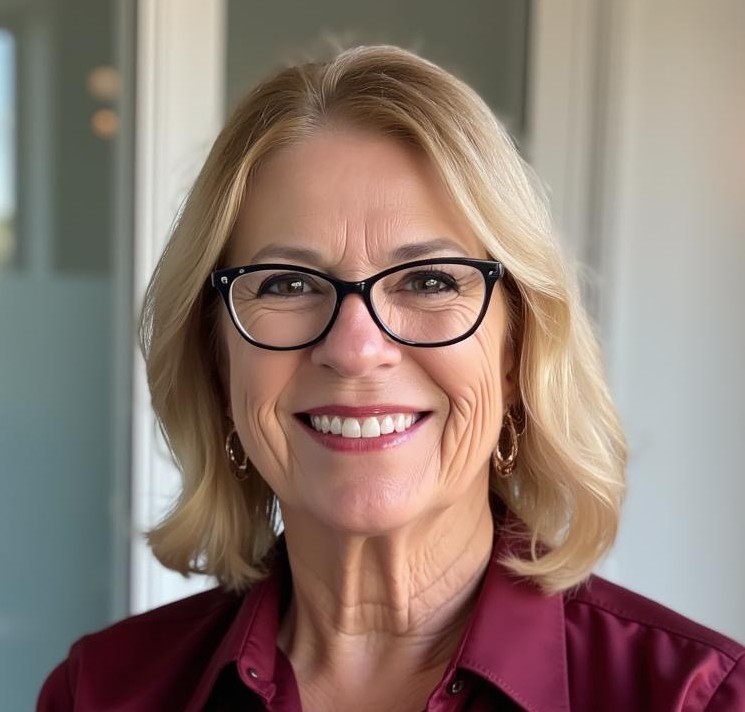
Margaret Wehrenberg, PsyD Related seminars and products
Margaret Wehrenberg, PsyD, is a licensed clinical psychologist whose five decades of work in the mental health field have had a far-reaching impact on the understanding and treatment of anxiety. Her pioneering approach has influenced psychotherapists, business leaders, educators, elected officials, and legal professionals around the world. Dr. Wehrenberg was among the first to translate the emerging science of neurobiology into practical applications for psychotherapy, demonstrating how clinicians can “use the brain to change the brain” in the treatment of anxiety and depression.
Her twelve books have been translated into eight languages. The 10 Best-Ever Anxiety Management Techniques remains an international bestseller. Her newest book, Letting Go of the Work You Love (co-authored with Lynn Grodzki), is the first comprehensive retirement roadmap for healing professionals.
Dr. Wehrenberg’s expertise has been featured in numerous media outlets. She has a deep personal commitment to giving back to the community, providing pro bono consultation to community organizations, school personnel, and attorneys focused on reducing risks related to anxiety, depression, and suicide.
Speaker Disclosures:
Financial: Dr. Margaret Wehrenberg maintains a private practice. She receives royalties as a published author. She is an international presenter and receives compensation. Dr. Wehrenberg receives a speaking honorarium, book royalties, and recording royalties from Psychotherapy Networker and PESI, Inc. She has no relevant financial relationships with ineligible organizations.
Non-financial: Dr. Margaret Wehrenberg is a member of the Anxiety Disorder Association of America.


Lynn Grodzki, LCSW, MCC Related seminars and products
Lynn Grodzki, LCSW, MCC, is a leading business coach for mental health professionals, who has guided counselors, therapists, and psychologists in developing the practical skills, entrepreneurial mindset, and professional maturity required to succeed in the dual role of psychotherapist and small business owner. The author of multiple books, Lynn is best known for her best-selling Building Your Ideal Private Practice – regarded as the definitive guide for private practitioners – Therapy with a Coaching Edge – a paradigm-shifting integration of coaching and psychotherapy – and Letting Go of the Work You Love with Dr. Margaret Wehrenberg – a comprehensive retirement roadmap for healing professionals. In addition to her writing and coaching, Lynn spent twenty years on the faculty of a major coach-training organization and has held leadership roles as vice president of the NASW-Metro Chapter and president of the Greater Washington Society of Clinical Social Work. A sought-after presenter, she has delivered workshops at national and international conferences and is a regular contributor to Psychotherapy Networker magazine.
Speaker Disclosures:
Financial: Lynn Grodzki maintains a private practice and receives royalties as a published author. Lynn Grodzki receives a speaking honorarium and recording royalties from Psychotherapy Networker and PESI, Inc. She has no relevant financial relationships with ineligible organizations.
Non-financial: Lynn Grodzki has no relevant non-financial relationships.
Additional Info
Questions?Visit our FAQ page at www.pesi.com/faq or contact us at www.pesi.com/info
Access for Self-Study (Non-Interactive)
Access never expires for this product.
For a more detailed outline that includes times or durations of time, if needed, please contact cepepesi.com
Objectives
- Examine the four-stage Model of Readiness to Retire to close a clinical practice in an ethical and client-centered manner.
- Utilize attachment theory to address the impact of forced endings of therapy to minimize client regression or traumatization.
- Determine the ethical considerations of ending therapy with clients, including timing, pacing, and the use of self-disclosure.
Outline
Retiring Well: Therapist Readiness, Decision Points, and Planning
• Distinguishing between planned and unplanned retirements
• Navigating ambivalence: Understanding the push and pull factors around the decision to retire
• The Four-Stage Model of Readiness to Retire
• Preparing for the emotional and logistical complexity of ending a helping profession
• Releasing professional identity and developing a renewed sense of self
Clinical Implications of Retirement: An Attachment-Centered Approach
• Understanding how client attachment styles influence responses to therapy closure
• Best practices to prevent client regression and avoid abandonment
• Integrating the ending of treatment into ongoing therapeutic goals and treatment planning
• Maintaining secure attachment during the final phase of therapy
• Managing transference and countertransference during the transition
Ethical Issues for a Compassionate Ending of Therapy
• Ethical and effective communication with clients, including appropriate use of self-disclosure
• Key ethical responsibilities when concluding a caseload
• Understanding and preparing a professional will: components and importance
• Tools for healthy closure, including therapist self-awareness and emotional regulation
• Final tasks: consolidating gains, providing referrals, managing crises, and saying goodbye
• Reflecting on your professional impact: A Legacy Exercise
Target Audience
- Counselors
- Marriage and Family Therapists
- Social Workers
- Psychologists
- Chaplains
- Psychiatric Nurses
- Other Health Providers



Reviews
Satisfaction Guarantee
Your satisfaction is our goal and our guarantee. Concerns should be addressed to: PO Box 1000, Eau Claire, WI 54702-1000 or call 1-800-844-8260.
ADA Needs
We would be happy to accommodate your ADA needs; please call our Customer Service Department for more information at 1-800-844-8260.
PESI Mobile App
Access CE trainings on your phone or tablet through our free mobile app. Choose video or audio-only versions of online courses from the world’s best instructors, and complete your CE requirements anywhere, anytime, at your own pace.




Please wait ...