

A masterclass on working with clients who’ve experienced narcissistic abuse and emotional control
So many clients are facing psychological abuse from manipulative and coercive partners, family members, and even co-workers…
…who slowly break them down and keep them trapped in emotionally damaging and dangerous relationships.
But more people than ever before are finding the strength to escape.
They can’t face the traumatic aftermath alone.
They need help from trained professionals like you.
That’s why we put together this online course designed exclusively for clinicians.
Narcissistic Abuse and Gaslighting Treatment Course
Credit details | Course objectives and outline
Featuring some of the biggest names in the field, including Dr. Ramani Durvasula, Dr. Amelia Kelley, Dr. Ingrid Clayton, Dr. Stephanie Sarkis and Wendy Behary…
This one-of-a-kind course will give you the strong foundation you need to identify this hidden abuse, effectively respond to it as a therapist, and help these clients reclaim their lives.
Register today, and you’ll discover how to:
- Identify covert abusive tactics like gaslighting
- Avoid clinical missteps that could alienate these clients
- Show clients how they can establish effective boundaries and safely leave abusive situations
- End clients’ self-blame and self-shame so they can regain their personal power
- Help survivors overcome the trauma and grief of family of origin wounds and break the patterns of the past
- Move clients toward healthy post-relationship healing, safe co-parenting and more
- And so much more!
If you have clients in your caseload who lack self-esteem, can’t say no, and blame themselves for everything…
You may already be working with clients who’ve been emotionally manipulated, controlled, and gaslit through a narcissistic relationship.
This is your chance to learn from the field’s leading experts and help clients break free from the cycle of toxic abuse.
Here’s What You’ll Learn
Narcissism and Narcissistic Abuse: Clinical Foundations, New Findings and Effective Approaches
Start this course by joining renowned psychologist and New York Times best-selling author Dr. Ramani Durvasula and Wendy Behary – acclaimed author of Disarming the Narcissist…Surviving and Thriving with the Self-Absorbed – for the clinical foundation you need to work with one of the hottest and most misunderstood topics in the field today.
- Most common myths surrounding narcissism and therapy
- Current debates around the treatment of narcissism and narcissistic abuse
- Treatment interventions for narcissism and narcissistic abuse
- Risks and limitations
Legal, Ethical and Documentation Considerations for Working with Survivors of Narcissistic Abuse
The legal system can become an overwhelming and intimidating factor in treatment for these clients. From documentation concerns and ethical dilemmas to navigating high-conflict legal cases, you must be prepared to protect your clients while maintaining professional integrity. Join Dr. Catherine Barrett, Clinical Forensic Psychologist and narcissistic abuse recovery specialist, as she guides you through the critical legal and ethical considerations you must know when working with survivors of narcissistic abuse.
How to Ensure Competency in an Evolving and Controversial Domain
- Understanding of the diversity of violence across populations
- When culture blurs the line with emotional terrorism (patriarchal structures that are normalized and contribute to a lack of autonomy)
- Addressing cultural barriers to disclosure: Creating a safe and supportive space for marginalized clients at higher risk
- Conjoint therapy
Documentation/Disclosure
- How much is too much and how little is too little?
- The use of collateral contacts and how they might harm/help our clients
- Responding to a subpoena: Ethical and legal steps to protect yourself and your client
Diagnosis
- What to do when CPTSD isn’t a formal diagnosis in the DSM?
- Balancing diagnosis and legal implications: Avoid over-pathologizing while understanding the legal ramifications of a trauma diagnosis
- How a diagnosis can be used and manipulated in custody evaluations and decision-making
- Make sure to document a client’s premorbid mental and emotional state
The Fawn Response and Narcissistic Abuse:Strategies to Help Survivors Break Free from Trauma-Based Appeasement
The fawn response—a survival strategy rooted in appeasement and self-abandonment—is common in narcissistic abuse survivors. But it remains largely misunderstood in the clinical field, often leading to mislabeling and mishandling of behaviors that stem from powerlessness and a deep need for relational safety. Join Dr. Ingrid Clayton for clinical tools to help clients shift from automatic appeasement to authentic self-expression, restoring agency and autonomy.
What is the Fawn Response?
- Understand fawning as a relational, hybrid trauma response
Misconceptions about fawning
- How the field has missed the adaptive function of fawning
Ways to work with fawning
- Psychoeducation, nervous system regulation, cultivating internal safety
- Risks and limitations of research and techniques taught
The Ultimate Gaslighting and Relationship Trauma Toolkit:IFS Therapy, Somatic and Attachment Repair Interventions for Safety, Self-Trust and Recovery
Gaslighting tactics leave victims questioning their reality and trapped in a web of manipulation and control. Recovery hinges on recognition and having the right treatment tools. Join Dr. Amelia Kelley, therapist and best-selling author of Gaslighting Recovery for Women, for a must-have training session for anyone working with clients facing narcissistic abuse from romantic partners or family members. Dr. Kelley will show you exactly how to identify the signs, then teach you how to use techniques from Internal Family Systems therapy, attachment and somatic based approaches she relies on to treat these clients.
Gaslighting Fundamentals
- Family gaslighting: scapegoating, parentification, sibling triangulation, and more
- Intimate partner and trauma bonding
- Cultural/systemic issues
- Medical origins in “hysteria”
- Group/religious: indoctrination and thought control
- Covert vs. overt: subtle invalidation versus blatant denial
- Subconscious or insecure gaslighters
- Calculated or malicious gaslighters
- Goals: destabilization, isolation, and power
Gaslighting in Action: Common Tactics and the Cycle
- How it starts: gradual “testing the waters”
- Recognize common tactics
- Exaggeration
- Repetition
- Silent treatment
- Minimization
- Triangulation
- Emotional baiting
- Blame-shifting
- The cycle of gaslighting
- Clinical worksheet – subtle behaviors and red flags
Psychological, Relational and Somatic Impacts of Gaslighting
- Psychological: fractured self-trust, shame, confusion, perfectionism, fawning
- Relational: attachment injuries, loss of validation networks
- Physical: chronic stress
- Gaslighting Shock Response and the Gaslighting Shock Reset grounding sequence
- Clinical exercise: body scan plus Shock Reset script
- Differentiate gaslighting from other abuse
- Distortion of reality and erosion of self-trust as defining features
- When gaslighting overlaps with coercive control, stalking, or financial abuse
The Gaslighting Recovery Spectrum
- Stages of recovery
- Journal prompt: how clients may shift between stages
Safety Planning for Survivors of Gaslighting and Abuse
- Recognize – Anchor – Reset – Validate – Boundaries or Exit
- How to guide clients through each step
- Scripts and anchor-building strategies
- Clinical exercise: anchor menu, red-flag to boundary phrase bank
The Gaslighting Recovery Plan
- Step 1: Recognize distortions
- Step 2: Reconnect with inner truth and self-compassion
- Step 3: Restore self-trust with micro-decisions
- Step 4: Restore self-worth
- Somatic trauma processing: titration and pendulation
- EFT/tapping for stress
- Research, risks, and limitations
Gaslighting Detection: Patterns, Behaviors and Contexts
- Statements and behaviors
- Patterns
- Contexts (family, partner, workplace, medical, cultural)
- Risk factors (isolation, financial control, threats)
- Clinician checklist, client self-report, and collateral prompts
- Severity and domain totals, risk flags triggering safety planning
- Clinical exercise: 10-item mini-screen to begin safe conversations
Internal Family Systems Tools for Treating Survivors
- Mapping parts
- The internal gaslighter
- The pleaser
- The perfectionist
- Exiles of shame or abandonment
- Exercise: Self-dialogues with the internal gaslighter part
- Clinical exercise: protector-to-self contract for perfectionist or fawn roles
- Research, risks, and limitations
Attachment-Focused Tools and Clinical Exercises
- How gaslighting fractures attachment bonds
- Reparenting Dialogue – offering attunement to invalidated parts
- Clinical exercise: Safe Others Map for daily co-regulation
- Guide survivors across the lifespan
- Exercise: “Shield Up” cue practice and circle of helpers drawing
- Research, risks and limitations
Relational Trauma and Grief Treatment for Survivors of Narcissistic Relationships
Manipulation, betrayal, and control—punctuated by fleeting moments of connection. This emotional rollercoaster leaves clients torn between holding on and letting go. But when they finally leave, survivors grapple with a unique form of traumatic grief—mourning not just the relationship but also the loss of trust, stability, and self-worth. Join Dr. Durvasula for the practical tools that can help these clients move toward healing.
The Dynamics of Narcissistic Relationships
- Universal dynamics: Key patterns consistently observed (e.g., manipulation, betrayal, invalidation)
- Situational dynamics: Behaviors and dynamics that vary
Impact of Narcissistic Relationship Dynamics on Survivors
- Emotional and psychological effects (e.g., confusion, self-doubt, anxiety)
- Chronic inner conflict: The push-and-pull of staying versus disengaging
Overview of Applying Trauma-Informed Frameworks in Case Conceptualization
- Key trauma-informed principles to guide work with survivors
- Adapting trauma models to conceptualize narcissistic relationship fallout
Recognizing and Addressing Grief in Narcissistic Relationships
- Exploring the unique grief reactions experienced by survivors
- Identifying losses beyond the relationship, such as trust, stability, and identity
Practical Tools and Resources for Clinicians
- Handouts for ongoing client work
- Recommendations for further readings and resources to deepen understanding
Risks, Limitations, and Areas for Growth
Narcissistic Abuse and Gaslighting Treatment Course
Credit details | Course objectives and outline
When you register today, you’ll receive 5 FREE bonuses(a $339.96 value!)
DBT Toolkit for Narcissistic Abuse and Gaslighting
DBT offers a unique blend of validation and skill-building, making it particularly adept at addressing the intricate layers of trauma resulting from narcissistic abuse. Join Katelyn Baxter-Musser, author of The DBT Workbook for Narcissistic Abuse and Gaslighting, and get concrete strategies to help clients manage overwhelming emotions and triggers, learn to trust themselves again, set healthy boundaries, and cultivate a deeper sense of self-compassion.

Coparenting with a Narcissist
Breaking free from a narcissistic ex-partner is complicated when kids are involved. Clients need to co-parent with someone who will continue to manipulate, gaslight, and refuse to compromise. Join Stephanie Sarkis, PhD, therapist and best-selling author of Gaslighting: Recognize Manipulative and Emotionally Abusive People – and Break Free, for insights and practical strategies to effectively navigate this unique parenting situation.
Breaking Narcissistic Patterns in Couples Therapy
When one partner has narcissistic traits, couples therapy can quickly stall. Boundaries and accountability are hard to establish and even harder to maintain. And staying neutral when working with a narcissistic partner can leave therapists feeling manipulated, sidelined, or drawn into the conflict. This session shows you how to combine individual and conjoint work to break destructive cycles, protect the more vulnerable partner, and foster real accountability and change.

Navigating Intimacy in Relationships with Narcissistic or Antagonistic Personalities in Therapy
Clients in intimate relationships impacted by narcissistic or antagonistic personalities often face some of the most complex and emotionally charged dynamics in therapy. Join Dr. Ramani Durvasula as she equips you with essential tools to navigate betrayal trauma, relational trauma, and trauma bonding, as well as challenges like coercive control, divorce, post-separation abuse, and co-parenting.
FREE PRINTABLE Worksheets and Exercises
Get 19 FREE PRINTABLE worksheets and exercises from Stephanie Sarkis’ best-selling A Clinician’s Guide to Gaslighting. These resources are a perfect companion to this training — giving you instantly usable tools to provide the specialized treatment clients need.
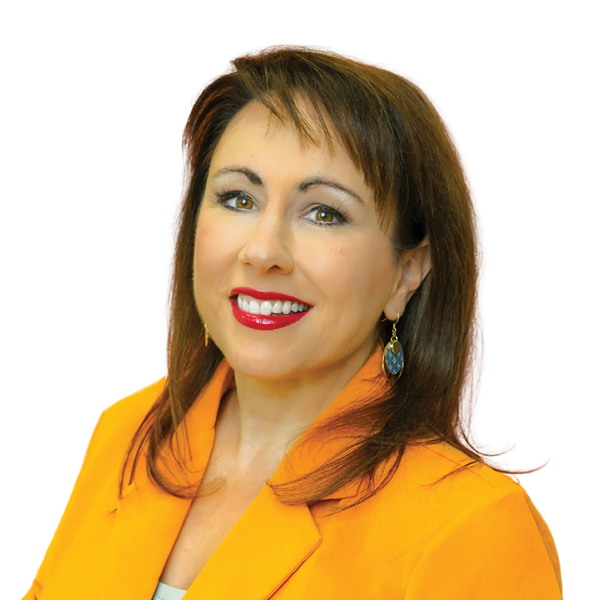
Meet Your Expert Faculty






Narcissistic Abuse and Gaslighting Treatment Course
Credit details | Course objectives and outline
Frequently Asked Questions
Do I earn CE credits for this course?Yes. This course offers up to 22.75 self-study CE hours for counselors, psychologists, social workers, marriage and family therapists, and other mental health professionals. Credit is available when you complete the course and pass the post-test. Approvals vary by profession and state, so check the Credit tab or course details for the specific approvals and requirements that apply to your license.
Who is this narcissistic abuse training for?
This online course is designed for mental health professionals who work with survivors of emotional abuse, including counselors, psychologists, social workers, marriage and family therapists, and other clinicians. If your caseload includes clients struggling with low self-esteem, people-pleasing, self-blame, trauma bonding, or toxic relationships, this training will give you the tools to recognize narcissistic abuse and treat it effectively.
What is narcissistic abuse, and why do therapists need specialized training?
Narcissistic abuse is a pattern of psychological and emotional abuse by a partner, parent, family member, or coworker with narcissistic or antagonistic traits. It often involves gaslighting, manipulation, coercive control, and invalidation that slowly erode a person’s self-trust and sense of reality. Because these tactics are often covert, survivors may not recognize the abuse themselves, and well-meaning therapists can miss the signs or make clinical missteps that alienate clients. Specialized training helps you identify hidden abuse, avoid retraumatizing clients, and apply evidence-based interventions.
What treatment approaches are covered?
The course integrates several evidence-based and trauma-informed modalities, including Internal Family Systems (IFS) therapy, Dialectical Behavior Therapy (DBT), schema therapy, somatic interventions, and attachment-focused tools. You’ll learn practical techniques for emotion regulation, boundary setting, restoring self-trust, processing relational trauma and grief, and helping clients heal from family-of-origin wounds.
Does the course address trauma bonding and why clients stay in abusive relationships?
Absolutely. Dr. Durvasula explores the push-and-pull of staying versus leaving, the trauma bonds that keep clients tethered to abusive partners, and the unique traumatic grief survivors experience after the relationship ends, including the loss of trust, stability, identity, and self-worth.
Do I need previous experience working with narcissistic abuse?
No. This course is designed for clinicians at every level, whether you’re new to this work or already treat survivors regularly. If you’re new, you get a strong clinical foundation, covering common myths, current debates, and core treatment approaches before moving into specialized topics. If you’re experienced, you’ll gain new tools and fresh perspectives from the field’s leading experts. You’ll also get IFS, DBT, somatic, and attachment-based interventions you can add to your practice right away.
If I sign up today, when do I get access?
Immediately! You can start your training as soon as you register. You will have on-demand and Unlimited Access to all the materials.
100% Satisfaction Guarantee
Register for this intensive training course without risk. If you're not completely satisfied, give us a call at 800-844-8260.We’re that confident you'll find this learning experience to be all that's promised and more than you expected.

Narcissistic Abuse and Gaslighting Treatment Course
Credit details | Course objectives and outline