
Digital Version Available
Get immediate lifetime access to this content by purchasing the digital seminar/online course instead that you can access using a variety of devices, and one CE certificate is included with purchase! Click the “Digital Seminar” or "Online Course" link below to learn more!
DVD Purchasers please note: In order to view the content, you will be required to have a DVD player or a DVD drive on your computer. Your CE is a separate fee.
Certified Addictions-Informed Mental Health Professional (CAIMHP): Two-Day Intensive Competency Training, 5/4/2022 12:00:00 AM CDT, Digital Seminar More info »
Certified Addictions-Informed Mental Health Professional (CAIMHP), 12/1/2021 12:00:00 AM CST, DVD More info »
Certified Addictions-Informed Mental Health Professional (CAIMHP): Two-Day Intensive Competency Training
- Speaker:
- Paul Brasler, LCSW, CAIMHP
- Duration:
- 12 Hours 18 Minutes
- Copyright:
-
Sep 16, 2020
- Publisher:
- PESI Inc.
- Product Code:
- RNV055765
- Media Type:
- DVD - Also available: Digital Seminar | DVD

Description
America is facing an epidemic of substance misuse, but there’s a major obstacle to getting people the help they need: There’s simultaneously a nationwide lack of training in addiction treatment for professionals as well as a massive need for people with this training. These problems are severe; many future mental health providers are graduating without ever completing a single course in substance abuse treatment.
But substance abuse is very much part of the real world of mental health treatment – even if that’s not why your clients came into your office. Be prepared to recognize substance use and get your clients the help they need.
Watch Paul Brasler, LCSW in this intensive two-day recording and he’ll walk you through numerous proven strategies and interventions that you need to effectively recognize and treat substance use disorders.
Watch this program, and through a combination of the latest addiction research and clear examples of treatment, you’ll learn:
- How to differentiate between casual misuse and addiction
- Who you should treat and when you should refer out
- Techniques to improve client engagement and treatment compliance
- How to modify your interventions for use with special clinical populations, including veterans
Best of all, this training meets the educational requirements when applying to become a Certified Addictions-Informed Professional (CAIMHP) through Evergreen Certifications. Certification lets colleagues, employers, and clients know that you’ve invested the extra time and effort necessary to understand the complexities of treating addictions in clients. Professional standards apply. Visit www.evergreencertifications.com/caimhp to get started!
*We partner with Evergreen Certifications to include certification with some of our products. When you purchase such a product we may disclose your information to Evergreen Certifications for purposes of providing services directly to you or to contact you regarding relevant offers.
Credit
Speaker
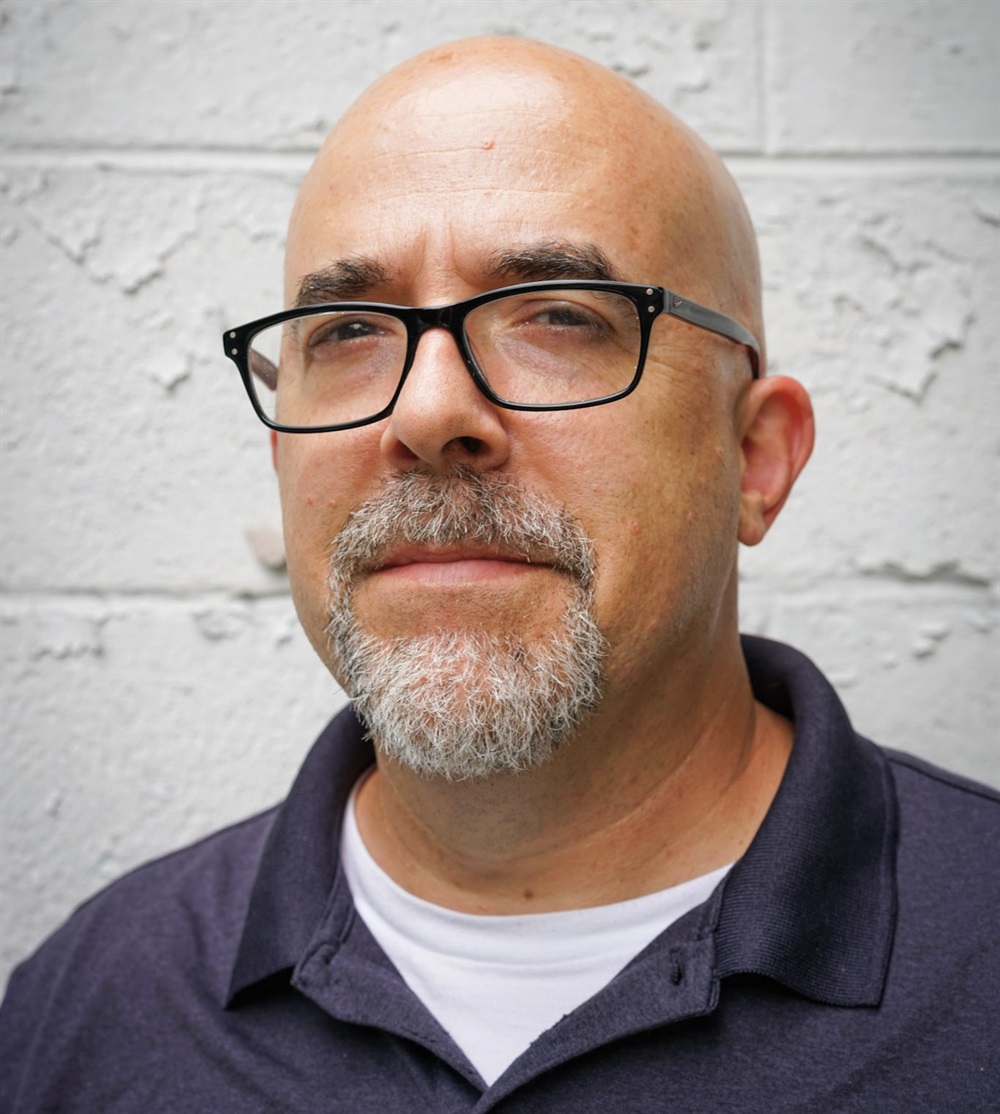
Paul Brasler, LCSW, CAIMHP Related seminars and products
Paul Brasler, LCSW, CAIMHP, became a licensed clinical social worker in 2002. Paul is the coordinator for the Chesterfield County (Virginia) Employee Behavioral Health Program, through which he and his team provide clinical services to first responders and human services personnel. He has extensive experience working with people in crisis and people living with substance use disorders, including adolescent residential treatment, community mental health settings, hospital emergency departments, juvenile drug court, and private practice.
Paul has been a national presenter (through PESI) since 2016, and he has presented classes across the country on mental health emergencies, high-risk clients, resiliency, and a certification course for clinicians working with people with substance use disorders. He has written three books: The Clinician’s Guide to Suicide Management, PESI Publishing, 2025; The Clinician’s Guide to Substance Use Disorder, PESI Publishing, 2022; and High-Risk Clients, PESI Publishing, 2019. Paul lives in Richmond, Virginia, with his beautiful wife, three sons, cowardly dog, and two dwarf rabbits who are quietly plotting to destroy the world.
Speaker Disclosures:
Financial: Paul Brasler maintains a private practice and has an employment relationship with Chesterfield County. He receives a speaking honorarium, recording, and book royalties from Psychotherapy Networker and PESI, Inc. He has no relevant financial relationships with ineligible organizations.
Non-financial: Paul Brasler has no relevant non-financial relationships.
Alternate Options
Additional Info
Access for Self-Study (Non-Interactive)Access never expires for this product.
Objectives
- Appraise the causes of substance use disorders & factors that reinforce drug use as related to case conceptualization.
- Analyze the basic neurobiology of addictive chemicals and its treatment implications.
- Categorize commonly misused drugs, including current “street names” of these substances, as related to assessment and treatment planning.
- Assess the signs and symptoms of substance intoxication and distinguish withdrawal syndromes for each drug class as related to case conceptualization.
- Perform a clinical assessment to distinguish substance use disorders from other mental health disorders and inform the clinician’s choice of treatment interventions.
- Analyze the various levels of substance use treatment, including medication-assisted therapies, to inform clinical treatment interventions.
- Evaluate the process of detoxification and its treatment implications.
- Utilize clinical strategies, such as motivational interviewing, to improve client engagement and foster behavioral change.
- Modify clinical interventions for use with clients in special populations, such as adolescents or pregnant women.
- Utilize clinical strategies to engage the client’s family in treatment to improve treatment outcomes.
- Demonstrate strategies used to improve the efficacy of group therapy, such as strategies for addressing disruptive members and building group cohesion.
- Evaluate ethical and legal issues related to substance use and substance use treatment, including circumstances when you should disclose client records.
Outline
The Science Behind Substance Use Disorders- Biopsychosocial aspects of substance abuse
- Attachment & trauma
- The brain’s reward system
- How metabolism impacts substance abuse
- Alcohol & other depressants
- Stimulants
- Opioids
- Cannabinoids
- Psychoactive plants & chemicals
- Inhalants
- How to ask sensitive intake questions
- Take-home screening tools
- Identify substances that mimic other disorders
- Spot co-occurring disorders & trauma
- How to navigate a high risk of misdiagnosis
- Non-invasive drug screenings
- How to approach level of care decisions
- Why detox alone is NOT treatment
- Detox protocols
- Types of inpatient & outpatient treatment
- When is partial hospitalization necessary
- Which treatment level is right for your client?
- Compulsive gambling
- Compulsive sexual behaviors
- Electronic addictions
Treatment of Substance Use Disorders
Strategies to Improve Client Engagement & Treatment Compliance
- Motivational interviewing
- Reward gains & treatment compliance
- Case management: Link the client to resources
- Medication-assisted treatment
- The role of the ego in addiction & recovery
- Identify & confront defense mechanisms
- Recognize & heal past trauma
- Apply the A-B-C model to substance abuse
- Recognize triggers to use
- Foster coping skills
- Deconstruct negative schemas
- The family’s role in recovery
- Family member roles: Enablers & heroes
- Overcome family rules that block progress
- When the client is shielded form consequences
- How & when to engage the entire family
- Children & adolescents
- Active military & veterans
- LGBTQ clients
- Pregnant women
- Older adults
- Handling intoxicated members
- How group support works differently
- Barriers to treatment
- Getting people to talk
- Spotting dealers within the group
- Referring to 12-step groups & alternatives
- Privacy laws & when you should disclose
- Impaired practitioners
- Working with incarcerated clients
- Drug treatment courts
- Bias in treating recovering clients
- Recognize & address vicarious trauma
- Limitations of the research & potential risks
Target Audience
- Counselors
- Social Workers
- Psychologists
- Addiction Counselors
- Marriage & Family Therapists
- Nurses
- Nurse Practitioners
- Case Managers
- Physician Assistants
- Physicians
- Psychiatrists
- Paramedics and Other First Responders
- Probation/Parole Officers
- Police Officers
- Clergy
Reviews
Satisfaction Guarantee
Your satisfaction is our goal and our guarantee. Concerns should be addressed to: PO Box 1000, Eau Claire, WI 54702-1000 or call 1-800-844-8260.
ADA Needs
We would be happy to accommodate your ADA needs; please call our Customer Service Department for more information at 1-800-844-8260.
PESI Mobile App
Access CE trainings on your phone or tablet through our free mobile app. Choose video or audio-only versions of online courses from the world’s best instructors, and complete your CE requirements anywhere, anytime, at your own pace.




Please wait ...