

Breaking the Cycle: Supporting ADHD Clients Stuck in Trauma and Survival Mode
- Speakers:
- Tasha Oswald, PhD | Cynthia Brown, LPCC
- Duration:
- 2 Hours
- Format:
- Audio and Video
- Copyright:
-
Dec 19, 2025
- Product Code:
- POS150487
- Media Type:
- Digital Seminar

Description
When ADHDers struggle, they’re often blamed, pathologized, or told to “just try harder” – reinforcing the harmful idea that the problem lies within them. But this mindset focuses them to push past their needs, mask their symptoms, and white-knuckle through life.
The Neurodivergent Survival Cycle offers a powerful framework to shift that narrative – recognizing how chronic invalidation, stigma, and lack of accommodations push ADHDers into survival mode, where trauma and burnout take root.
This session will help you:
- Understand how external factors (not just brain wiring) drive trauma responses in ADHD
- Identify signs of neurodivergent burnout, shutdown, and trauma-related behaviors
- Validate ADHD-specific needs instead of reinforcing harmful expectations
- Intervene at critical points to support emotional regulation and authentic functioning
- Work with your client’s neurotype – honoring how their brain moves through the world
Let’s stop asking ADHDers to function in a system that wasn’t built for them – and start supporting them in building a life that is.
Credit
Speaker
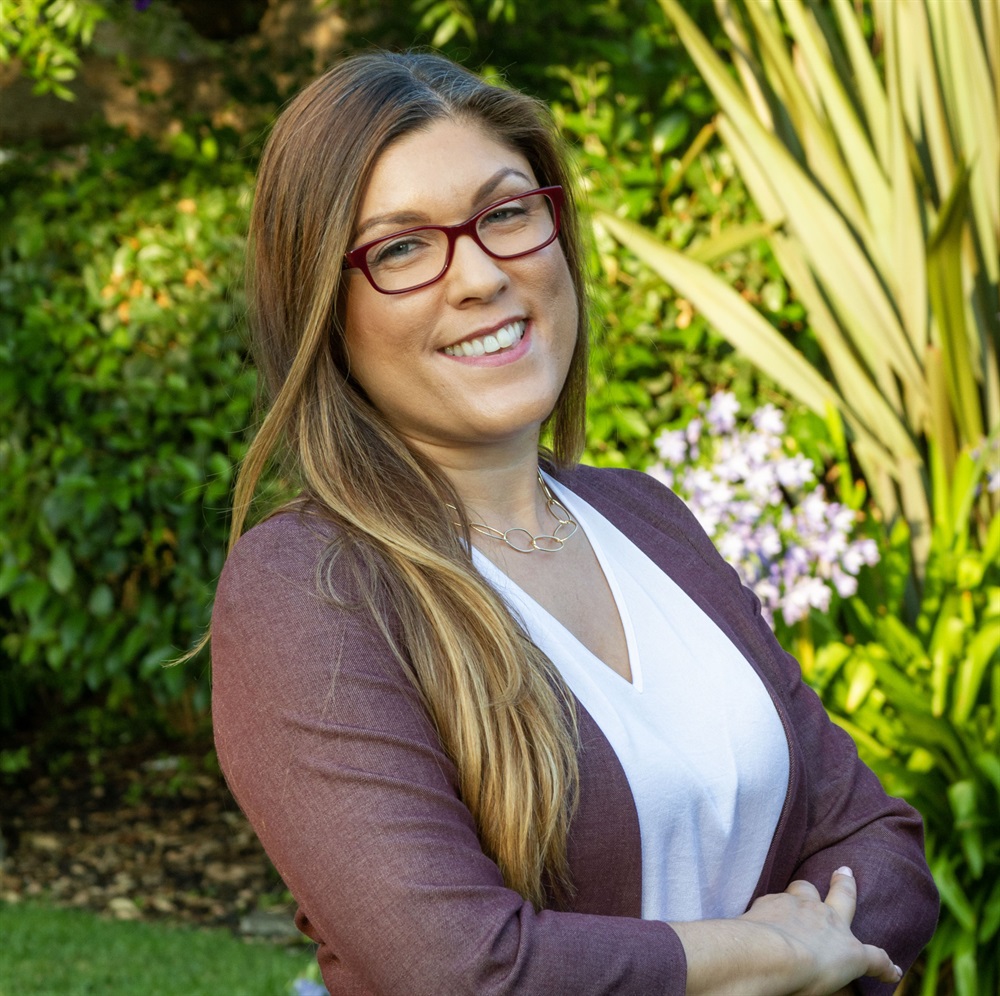
Tasha Oswald, PhD Related seminars and products
Tasha Oswald, PhD, (she/her) is a neurodiversity-affirming licensed psychologist and clinical consultant, IFS Level 3 trained and polyvagal-informed. She identifies as a neurodivergent, Caucasian, cisgender female. Dr. Oswald is passionate about addressing the gap in mental health services for autistic adults and youth. For this reason, she founded the adult autism specialty practice, Open Doors Therapy, based in California. She specializes in working with autistic women, autistic working professionals, gifted and neurodivergent individuals, emerging adults on the spectrum, and adults receiving a later life ASD diagnosis. Seeing the transformative power of group therapy for autistic adults, group work is a cornerstone of her practice. Being in the field for nearly 20 years, Dr. Oswald has received extensive training in autism. After completing her PhD in psychology with an autism emphasis, she was awarded an NIH-Funded Autism Research Training Program (ARTP) post-doctoral fellowship. Through this fellowship program, she engaged in interdisciplinary training and research at the world-renowned UC Davis MIND Institute. While at the MIND Institute, she developed and established a therapy group program for young adults on the autism spectrum called the ACCESS Program. She has published autism research in preeminent research journals. Currently, Dr. Oswald is known for her widely read neurodiversity blog and her regular contributions to international media platforms as an authority on autism. A sought-after speaker and advocate, she has delivered presentations at numerous research conferences, autism-focused events, universities, community gatherings, and corporate settings, aiming to increase awareness of mental health issues faced by autistic adults.
Speaker Disclosures:
Financial: Tasha Oswald is the founder and director of Neuro Affirm Institute and Open Doors Therapy. She receives a speaking honorarium and recording royalties from Psychotherapy Networker and PESI, inc. She has no relevant financial relationships with ineligible organizations.
Non-financial: Tasha Oswald has no relevant non-financial relationships.
Cynthia Brown, LPCC Related seminars and products
Cynthia “Cindy” Brown is a Licensed Professional Clinical Counselor at Open Doors Therapy, where she specializes in supporting Autistic and ADHD adults, particularly those at the intersection of neurodivergence and LGBTQI+ identities. Cindy also provides consultation and clinical training in neuroaffirming, trauma-informed care through the Neurodiversity Training Center.
Identifying as neuroqueer, Cindy brings both lived experience and clinical expertise to her work. She is a passionate advocate for neurodiversity-affirming care and is committed to challenging the widespread misinformation about the Autistic community.
Speaker Disclosures:
Financial: Cynthia Brown has an employment relationship with Open Doors Therapy. She receives a speaking honorarium from PESI, Inc. She has no relevant financial relationships with ineligible organizations.
Non-financial: Cynthia Brown is a member of the California Association for Licensed Professional Clinical Counselors.
Additional Info
Access for Self-Study (Non-Interactive)Access never expires for this product.
For a more detailed outline that includes times or durations of time, if needed, please contact cepepesi.com
Questions?
Visit our FAQ page at www.pesi.com/faq or contact us at www.pesi.com/info
Objectives
In this session, you'll learn how to:
- Identify neurodivergent needs that are often overlooked in therapy but are essential for effective trauma treatment with ADHD clients.
- Utilize the “Neurodivergent Survival Cycle” model to expand your understanding of trauma in ADHD clients.
- Integrate trauma-informed and neuro-affirming strategies tailored for ADHDers.
Outline
Neurodivergent Survival Cycle
- Stage 1: ADHDers face reoccurring harm and trauma (e.g., stigma, othering)
- Stage 2: Negative impact on self-worth, beliefs, and emotional stability
- Stage 3: Survival strategies to cope and prevent further trauma
- Stage 4: Overlooked needs and inadequate support
- Stage 5: Cumulative overwhelm (e.g., neurodivergent burnout, CPTSD)
- Breaking the Neurodivergent Survival Cycle handout
Identify Unmet Neurodivergent Needs
- Identify neurodivergent needs
- Neurodivergent needs are often minimized or dismissed
- Why access needs are not optional
- Help ADHDers recognize and advocate for their needs
Integrate Trauma-Informed and Neuro-Affirming Approaches
- Overlapping principles of trauma-informed and neuroafirming care
- Use the COMPASS mnemonic as a guide to neuroaffirming care
- Apply strategies that are neuro-affirming and trauma-informed
- Practice skills through ADHD case examples
- Limitations of research and potential risks
Target Audience
- Licensed Clinical/Mental Health Counselors
- Psychologists
- Physicians
- Social Workers
- Marriage & Family Therapists
- Occupational Therapists
- Occupational Therapy Assistants
- Speech-Language Pathologists
- Social Workers
- Others



Reviews
Satisfaction Guarantee
Your satisfaction is our goal and our guarantee. Concerns should be addressed to: PO Box 1000, Eau Claire, WI 54702-1000 or call 1-800-844-8260.
ADA Needs
We would be happy to accommodate your ADA needs; please call our Customer Service Department for more information at 1-800-844-8260.
PESI Mobile App
Access CE trainings on your phone or tablet through our free mobile app. Choose video or audio-only versions of online courses from the world’s best instructors, and complete your CE requirements anywhere, anytime, at your own pace.




Please wait ...