Recognizing ADHD in Mothers Long Before It Gets Diagnosed

I hear a version of this story more often than you'd think. A woman spends her whole life managing just fine. Maybe she's a little disorganized, maybe she loses her keys constantly, maybe she's always been called a daydreamer. She holds down a job, keeps a routine, gets by. Then she has a baby, and suddenly everything falls apart. She can't keep track of anything. She's forgetting appointments, losing her patience, feeling completely overwhelmed by tasks that used to feel manageable. And somewhere in that chaos, she finally hears the words that explain her whole life: this might be ADHD.
This isn't a coincidence, and it's not a new problem showing up out of nowhere. It's an old, undiagnosed pattern finally losing the scaffolding that had been quietly holding it together.
The Structure Was Doing the Work
Many women with undiagnosed ADHD spend years compensating without even realizing that's what they're doing. They build routines, rely on external structure like a job schedule or a partner's habits, and develop workarounds that mask executive function struggles. It works, more or less, until it doesn't.
Motherhood removes that structure almost entirely. A newborn doesn't run on a schedule you can plan around. Sleep is fragmented, days blur together, and the tasks required of a new mother demand an entirely different kind of executive functioning than anything she's used to: sustained focus, emotion regulation while also regulating someone else's emotions, planning, organizing, initiating, and inhibiting all at once. That's an enormous ask even for a neurotypical brain. For a brain that was already working overtime to compensate, it can feel like drowning.
And here's the part that breaks my heart every time. These women rarely blame the situation. They blame themselves.
Hormones Are Part of the Story
I want to focus on one hormone here because it matters more than people realize: estrogen. Estrogen plays a real role in dopamine regulation, and dopamine is central to focus, motivation, and executive function. Many women with ADHD report their symptoms getting noticeably worse during the luteal phase of their cycle, when estrogen drops. That pattern sometimes gets mistaken for PMDD, but it can actually be hormone sensitive ADHD.
During pregnancy, estrogen and progesterone rise to levels a woman will never experience again outside of pregnancy. Some women notice their ADHD symptoms improve during this window, sometimes dramatically. Others notice no change, sometimes because they've stopped stimulant medication, which the vast majority of women do during pregnancy. And for some, symptoms actually get worse due to exhaustion and emotional sensitivity.
Then comes birth, and estrogen crashes. Hard. Pair that hormonal drop with sleep deprivation, the demands of feeding a newborn, and the mental load of caring for a tiny human who needs everything from you, and you have what I call the perfect storm. Irritability spikes. Time blindness gets worse. Sensory sensitivities to noise, touch, and mess intensify, which can absolutely contribute to what we talk about as mom rage. Guilt and shutdown often follow close behind.
Decision Fatigue Nobody Talks About
One of the most overlooked struggles I see in pregnant women with ADHD is decision fatigue paired with compulsive over researching. ADHD brains often struggle to filter and prioritize information, and pregnancy throws dozens, sometimes hundreds, of new decisions at a person all at once. Which stroller. Which car seat. Breastfeed or bottle feed. Sleep training or not.
Instead of feeling confident, many of these women fall into information paralysis: reading every review, bookmarking endless articles, asking everyone they know, and still feeling unsure. The cycle feeds itself. The more they research, the less competent they feel, which drives more searching and more anxiety. What can look like controlling behavior from the outside is often a desperate attempt to feel safe in a situation where the stakes feel enormous and the fear of getting it wrong feels crushing.
Misdiagnosis Is the Norm, Not the Exception
Because ADHD so often shows up looking like anxiety, perfectionism, or depression, many women spend years being treated for the wrong thing. Chronic disorganization leads to missed deadlines, which increases anxiety, which gets treated on its own without anyone screening for the ADHD underneath it. If we only address the anxiety, we're offering incomplete care.
There's also a rage and shame cycle that shows up constantly in my work with ADHD moms. They hide the intensity of their anger because they're terrified of being judged, which only deepens the isolation. I want to be really clear about something here: that rage is a physiological reaction rooted in executive dysfunction, sensory overload, and shame all converging at once. It is not evidence of being a bad mother.
What Actually Helps
Clinically, the shift I try to make with every ADHD mom I work with is moving the internal narrative from "what's wrong with me" to "this is how my brain works, so what do I need." That single reframe does a lot of heavy lifting.
Practically, this can look like visual cues and reminders since out of sight really is out of mind for a lot of ADHD brains. Shared digital calendars, whiteboards, and shortened to-do lists (three items instead of fifteen) tend to work far better than complex systems. Bringing partners into the conversation matters enormously too, since most partners genuinely want to help but don't understand how the ADHD brain operates under this kind of load. Body doubling, gentle accountability, and open, judgment free conversations with an OB or psychiatrist about medication risks and benefits during pregnancy and postpartum all have a place here as well.
And identity work matters just as much as the practical scaffolding. Pregnancy often brings a reckoning with self identity, and for neurodivergent women this can stir up long standing questions about competence and worth that go back long before motherhood ever entered the picture. Naming that grief and offering permission to build an authentic version of motherhood, rather than the idealized one she thinks she's supposed to perform, is some of the most important work we can do.
You don't have to be an ADHD specialist to make a real difference here. You just have to be willing to notice what others miss, ask better questions about history and function, and respond with patience instead of judgment. So many of these mothers have been carrying silent shame for years, sometimes decades, simply because nobody connected the dots sooner.
This barely scratches the surface. In the full training below, I go much deeper into the neuroscience of executive function, how to differentiate ADHD from trauma, burnout, and PMDD when symptoms overlap, and specific strategies for supporting ADHD moms through pregnancy, postpartum, and beyond. If this resonated with you or with a client you're picturing right now, I'd love to have you join me for the rest of it.
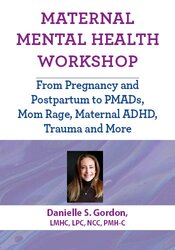
Grounded in evidence and real-world clinical insight, this training prepares you to work with the full emotional spectrum of motherhood – including overlooked and misunderstood issues like maternal ADHD, mom rage, and trauma held in the body.

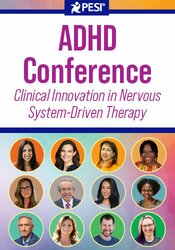
At the ADHD Conference, you're not just hearing from practitioners — you're training with the clinicians and researchers other clinicians learn from.

Danielle S. Gordon, LMHC, LPC, NCC, PMH-C, is a licensed clinical therapist, certified perinatal mental health specialist, certified mental health and nutrition clinical specialist, reproductive mental health specialist, wife, mom and woman of many additional roles. Previously a school counselor, Danielle’s personal experience with (undiagnosed) postpartum mental health disorders ignited her desire to support birthing parents and spread awareness about perinatal mental health. While learning more about the field, Danielle volunteered as a local support coordinator for Postpartum Support International. She then started her private practice, providing therapy and support for women during pregnancy, postpartum, and beyond. Over the years she has broadened her area of specialty to include motherhood anxiety and burnout, as well as ADHD. She has proudly worked as a consultant at local hospitals, assisting with care coordination for patients and alerting physicians and staff to best practices. She has given presentations to large corporations such as Blue Cross Blue Shield about the importance of perinatal care and has remained involved with Postpartum Support International as a board member of the PSI Michigan Chapter as well as at a national level as the past professional outreach coordinator. Danielle offers education and trainings to other professionals and providers who work with women. She is also a Brown University ROSE certified instructor.
Speaker Disclosures:
Financial: Danielle Gordon maintains a private practice and has an employment relationship with Postpartum Support International. She receives a speaking honorarium from PESI, Inc. She has no relevant financial relationships with ineligible organizations.
Non-financial: Danielle Gordon is a member of Postpartum Support International.


