
Arielle Schwartz’s Therapeutic Yoga for Trauma Recovery RetreatExperiential Yoga, Polyvagal Theory & Mindful Movement
Payment plans available through checkout
Credit details
An Experiential Therapeutic Yoga Retreat
Spend 5 days with one of the most sought-after trauma experts in the field—and walk away ready to bring yoga into your clinical work.
Bestselling author, international trainer, and renowned yoga teacher Dr. Arielle Schwartz has transformed how thousands of clinicians approach trauma treatment. Her trainings are consistently described as “career-changing,” “profound,” and “the best I’ve ever attended.”
Now, for the first time, she’s leading a hands-on Therapeutic Yoga for Trauma Recovery Retreat designed specifically for mental health professionals.
Grounded in polyvagal theory and the neuroscience of regulation, this experiential training provides practical, evidence-informed tools for integrating trauma-sensitive yoga and somatic interventions into clinical practice. Through guided breathwork, movement, partner exercises, and case consultation, you’ll learn how to adapt body-based approaches for diverse client presentations, navigate challenges such as dissociation and emotional overwhelm, and integrate yoga-based strategies into modalities including EMDR, IFS, and somatic therapies.
Set against the backdrop of Sedona, this exclusive retreat bridges the gap between understanding trauma-informed yoga and confidently facilitating it with clients.
You’ll discover how to:
- Confidently introduce trauma-informed yoga into sessions with clear guidance on consent, boundaries, and trauma sensitivity.
- Read the nervous system in real time and respond with polyvagal-informed interventions.
- Guide clients through breathwork, movement, and postures that build regulation and resilience.
- Structure therapeutic yoga sessions tailored to each client’s needs.
- Integrate somatic techniques with the clinical modalities you already use — including EMDR, parts work, and more.
- Manage your own nervous system while holding space.
By the end of the retreat, you’ll have more than a new set of techniques.
You’ll have a deeper understanding of how to help clients heal through the body — and the confidence to put that knowledge into practice.
Secure Your Place in Sedona
Payment plans available through checkout.
Earn up to 19.5 Live CE Hours, included in your tuition.
Cancellation policy.
Clinicians ready to work through the body.
All levels of yoga experience are welcome — no prior yoga background required.
Get The Training That Changes
How You Show Up in Every Session
A full immersive experience — hands-on practice, real-time feedback, partner work, and five days of connection with Dr. Schwartz and your fellow clinicians.
- 4 nights at the incredible Sedona Mago Retreat Center
- 3 healthful meals a day
- Up to 19.5 hours of Live CE
- Daily yoga practice
- Free time for excursions, nature walks, spa treatments, and relaxation
Not another training you watch.
Practice with Dr. Schwartz guiding you
She’ll demonstrate, you’ll practice, she’ll coach. Repeat.
Small group breakouts
You’ll experience these techniques as both practitioner and client — essential for understanding what your clients will feel.
Real-time feedback
Dr. Schwartz and her team move through the room, observing your practice, answering questions, refining your approach.
Space to absorb it
This is a retreat, not a cram session. The schedule leaves room for walks in the red rocks, quiet reflection, and organic conversation.
Clinicians who get it
Meals together, desert sunsets, and the unstructured hours where you swap case stories and realize you’ve found your people.
Practice, not theory.
Chair-based and mat-based, with modifications for physical limitations, pain, and trauma histories.
Sensory awareness
Interoceptive tracking and orienting — the groundwork for everything that follows.
Supported rest
Props, bolsters, and modifications that make stillness tolerable for a guarded nervous system.
Grounding sequences
Regulatory movement you can guide from a chair, a mat, or an ordinary therapy office.
Working with intensity
Recognizing activation, dissociation, and freeze — and knowing what to say, what to do, when to pause.
Highly experiential, greatly practical.
Embodied Practice: The Yoga of Relationship
Theory becomes application the moment there is another nervous system in front of you.
- Moving from theory to application: guiding therapeutic yoga interventions with a partner
- Pacing, tone, and invitational language in real time
Embodied Practice: Conscious Breathing for Nervous System Regulation
Breath is the fastest way in — and the fastest way to lose someone if the timing is wrong.
- Reading your partner’s nervous system and adapting in the moment
- Introducing conscious breathing to clients
- When breath dysregulates: recognizing and responding to activation
- Coaching and feedback: refining your approach
Embodied Practice: Movement and Postures in Action
Most clients will never be on a mat. You’ll learn to work with what the room gives you.
- Reviewing scope of practice
- Introducing movement interventions to clients
- Guiding grounding and regulatory movement sequences
- Chair-based and mat-based practice with peer partners
- Modifications for physical limitations, pain, and trauma histories
Navigating Clinical Challenges, Risks, and Limitations
Body-based work opens things up. This is the section on what to do when it does.
- Recognizing dissociation, overwhelm, and freeze responses during somatic work
- Intervening effectively: what to say, what to do, when to pause
- Contraindications and client populations requiring additional caution
- Risks and limitations of body-based interventions in trauma treatment
- Managing your own nervous system while holding space
- Boundaries and ethical considerations in body-based work
Integration with Clinical Modalities
You are not being asked to abandon the model you already trust.
- Therapeutic yoga as an adjunct to EMDR: when and how to incorporate movement and breathwork
- Working with parts: using yoga to access and regulate protective parts
- Bringing somatic tools into talk therapy sessions (no mat required)
- Case consultation: applying techniques to your specific client populations
Refinement and Feedback
Confidence is built by repetition with someone watching who knows what to look for.
- Extended partner practice with real-time coaching from Dr. Schwartz
- Small group work: practicing full sequences and receiving peer feedback
- Troubleshooting your specific questions and challenges
- Building confidence through repetition and refinement
From Training to Practice
The section that decides whether any of this survives contact with your caseload.
- Identifying which techniques fit your setting and client population
- Addressing common barriers: time, space, client resistance, self-doubt
- Feeling confident with informed consent
- Setting and maintaining clear boundaries, especially around physical touch
- Creating clear documentation that collaborative care teams can understand
- Your first steps: what to try Monday morning
- Building ongoing support: staying connected with your training community
- Apply three core breathwork techniques with appropriate pacing and invitational language.
- Evaluate nervous system symptoms of both safety and threat.
- Modify trauma-sensitive yoga postures in real time based on client presentation and nervous system state.
- Identify signs of dissociation, overwhelm, and dorsal vagal shutdown during body-based interventions.
- Apply interventions to reduce the intensity and duration of dissociative symptoms in clients.
- Determine the role of the boundaries within the therapeutic relationship as a foundation for safely introducing mindfulness or breath practices with clients.
- Examine psychobiological regulation as it relates to nonverbal communications in the therapeutic relationship.
- Use co-regulation techniques that enhance therapeutic attunement and felt safety.
- Modify therapeutic yoga interventions for clients with physical limitations, chronic pain, or touch sensitivities.
- Integrate breathwork and movement techniques into talk therapy sessions without requiring a yoga mat or dedicated yoga space.
- Apply trauma-informed yoga techniques as an adjunct to EMDR, IFS, and other established trauma treatment modalities.
- Utilize ethical considerations including informed consent, boundaries, and scope of practice when using body-based interventions.
- Choose effective responses for unexpected emotional activation or trauma responses during somatic work.
- Use grounding and orienting techniques for clients.
- Evaluate personal strengths and growth areas in delivering body-based interventions through peer feedback and self-assessment.
- Develop an individualized implementation plan for integrating therapeutic yoga into current clinical practice.
- Apply compassion and loving kindness practices including how to address barriers to compassion in clinical practice.
- Identify emotional and physiological dysregulation as “parts” of self.
- Examine how dual awareness techniques, interoceptive tracking, and internal system dialogue can be synchronized without compromising the therapeutic frame.
- Choose strategies to teach clients to naturally stimulate their vagus nerve to enhance their physical and emotional health.
Dr. Arielle Schwartz
Dr. Schwartz founded the Center for Resilience Informed Therapy and developed Resilience-Informed Therapy, an integrative model facilitating recovery from childhood trauma, PTSD, complex PTSD, and dissociation. She is a Certified Complex Trauma Treatment Professional Level II, an EMDR consultant, a somatic psychology expert, and has been teaching therapeutic yoga since 2008.
Her book Therapeutic Yoga for Trauma Recovery is one of the most widely referenced guides to applied polyvagal theory in trauma treatment. Even Dr. Stephen Porges has praised her work.
But what sets Arielle apart isn’t just her expertise — it’s her presence. Warm, grounded, deeply attuned. The kind of clinician you want to learn from, and the kind of clinician you want to become.
Information about Arielle Schwartz
173 acres,
built for renewal.
The daily schedule is designed to allow ample personal time to enjoy the beautiful surroundings and amenities. And with all-inclusive pricing, your lodging, meals, and training are all covered in one simple price.
- Private lodging with private bathrooms (double occupancy available for two traveling together)
- A beautiful lake surrounded by trees, flowers, aromatic herbs, and many wild birds
- Covered patios, meditation areas & labyrinth
- Awe-inspiring vortexes — where wonder meets transformation
- Peaceful trails, sunrises, sunsets, and stargazing
Nourishment,
not compromise.
Three pesco-vegetarian meals a day, made fresh — the kind of food that has clinicians who “don’t do plant-based” going back for seconds. There’s a chia pudding people quietly plan their mornings around, and cold-pressed juices made on-site.
The sky does things here
you'll carry home.
The day opens gold.
Wake before your first session to the high desert turning copper — and balloons drifting up over the red rocks in the distance.
More stars than you've seen in years.
Sedona is a certified International Dark Sky Community. Out at Mago, the Milky Way comes out naked-eye bright.
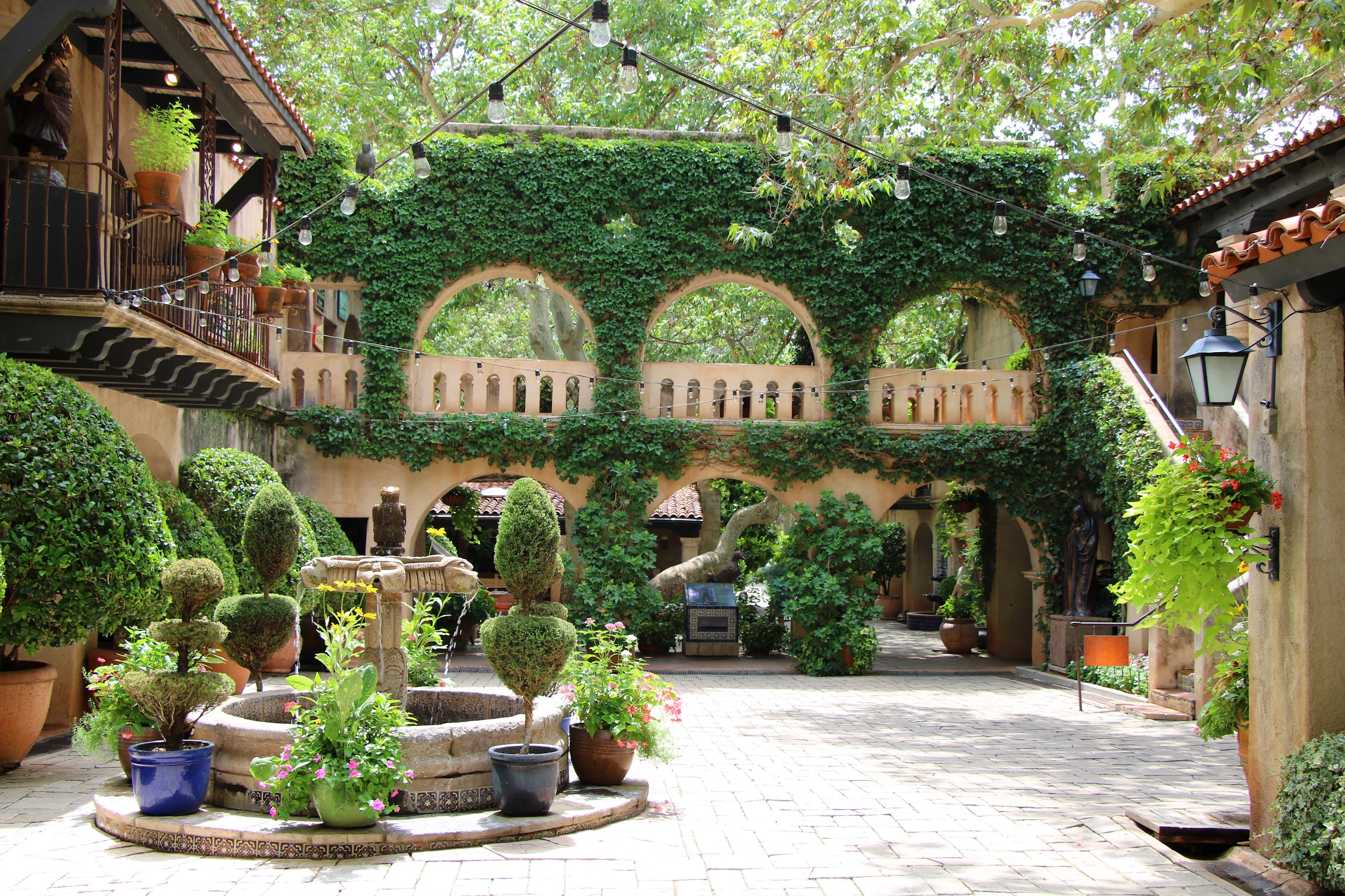
An afternoon in Sedona.
Some afternoons belong to the trail. Others belong to Sedona itself. The kind of afternoon where you wander, linger, and remember what it feels like to have nowhere to be.
- Tlaquepaque Arts & Shopping Village — Cobblestone courtyards and galleries styled after old Guadalajara.
- Uptown galleries & cafes — Southwestern art and a cortado in the late-day light.
- Chapel of the Holy Cross — An architectural landmark carved directly into the red rock face.
Good to know: Mago is intentionally secluded, about 35–50 minutes from uptown Sedona, which makes a free afternoon in town feel like a true escape. Many attendees add a night on either end to soak in more of what Sedona offers. Just note that CE boards require full attendance through departure day.
Retreat Schedule
All times listed in local time.
*CE is awarded during these specified times. A break will be included during longer training sessions, at the discretion of the speaker. Licensing boards require full attendance to the entire retreat, including departure day, to receive any credit for the entire retreat. Please review the schedule carefully and plan travel accordingly.
What clinicians say about Dr. Schwartz.
Dr. Schwartz is an excellent presenter and researcher! I consider myself a seasoned trauma specialist and I learned so much.
Marie G., PhDBy far, one of the most insightful, profound, and beneficial seminars I have ever participated in.
Russ J.Dr. Schwartz has been, hands down, the most effective presenter I have experienced. A valuable gem to the community.
Walter D., LMFTMore than a new set of techniques.
Embodied confidence
In guiding trauma-informed yoga interventions — because you’ve done it, with coaching, more than once.
A felt sense of regulation
What it actually looks like, in yourself and in the person across from you.
Practical sequences
Ready to use immediately, in a chair or on a mat, in the office you already have.
A network of peers
Ongoing consultation partners, referral sources, and friends who understand this work.
Finally — a trauma therapist yoga retreat that moves beyond theory and into embodied practice.
Payment plans available through checkout.
Up to 19.5 Live CE Hours · Credit details · Cancellation policy.
Frequently asked questions.
No. This training is designed for mental health clinicians of all levels of yoga experience. Dr. Schwartz builds from the ground up and makes everything accessible regardless of your personal yoga practice (or lack thereof).
Up to 19.5 live CE hours. View full credit details. Credit hours may vary by board and profession.
Retreat rooms at Sedona Mago are simple, yet comfortable, offering you a peaceful space to unwind and recharge. Each room comes equipped with two queen beds, a private bathroom, a mini fridge, a hair dryer, and bath products. Rooms at Mago are meant to be quiet places for you to pause, rest, and unwind while on retreat.
From your purchase date until March 6, 2027, cancellation results in a full refund less a $100 administrative fee. From March 7, 2027, cancellation results in a 50% penalty of the total purchase amount. See full policy.
Good to know.
Location
Sedona Mago Retreat
3500 E Bill Gray Road
Sedona, AZ 86336
(928) 204-3391 · Retreat website
Shuttle & Travel
Shuttle services are available from Phoenix Sky Harbor Airport to Sedona Mago, such as Groome Transportation (928-350-8466). Transit times may take longer than the geographical distance from the airport — review the retreat schedule and plan flights accordingly. Travel insurance with a cancel-for-any-reason option is advised.
Accessibility & Mobility at Sedona Mago
The grounds and roads are a mixture of dirt, gravel, and pavement, spread over many acres, requiring walking moderate distances and traversing stairs and hills. Daily distance required to walk is difficult to estimate but would likely be 1 ½ half miles per day, or more. In addition, the property’s elevation is 4,500 ft above sea level, and this should be taken into account if there are any medical concerns.
There are no golf carts or motorized chairs at the property.
If mobility/medical issues are a concern, please contact PESI Customer Service (800-844-8260) AND Sedona Mago Retreat Center (928-204-3391) BEFORE registering.
Non-Participating Guests
Sedona Mago is all-inclusive and all reservations are per individual, not per room. Anyone staying at the retreat center incurs a room and board charge whether or not they participate in the training. To bring a non-participating guest, contact PESI at 800-844-8260.

Can’t attend this one? Subscribe to our Destination Learning emails and be the first to hear about new retreats and cruises.
Cancellation Policy
From purchase date until March 6, 2027: cancellation results in a full refund less a $100 administrative fee.
From March 7, 2027: cancellation results in a 50% penalty of the total purchase amount.
Unable to attend? Contact us right away: retreatinfo@pesi.com · 800-844-8260