- Evaluate the biological nature of trauma and how trauma can create physical and psychological symptoms.
- Examine Porges’ Polyvagal Theory as it relates to clinical treatment of traumatized clients.
- Differentiate between sympathetic (activated) freeze responses and the parasympathetic (deactivated) dorsal vagal immobilization response.
- Analyze how tone of voice and proximity communicate safety to clients during therapy sessions.
- Identify distinguishing factors of the following types of traumatic stress: normal, prolonged, complex and developmental.
- Determine the clinical implications of traumatic stress symptomology, including hyperarousal, affect dysregulation, dissociation, body memories, and flashbacks.
- Select three somatic techniques to reduce symptoms of body memories, “flashbacks,” and dissociation.
- Describe the landmark Adverse Childhood Experiences Study.
- Analyze the relationship between developmental trauma and the inability to regulate both affect and physiological arousal.
- Evaluate the relationship between developmental trauma and “health-risk behaviors.”
- Compare the clinical presentations of insecure, avoidant, preoccupied, and disorganized attachment styles.
- Select clinical interventions based on the client’s attachment style.
- Differentiate between PTSD and CPTSD to improve clinical assessment and treatment of client trauma history.
- Compare Judith Herman’s tri-phasic model of trauma treatment to current treatment methodology.
- Choose strategies to aid clients in acquiring the requisite skills for processing trauma via EMDR.
- Utilize stabilization and safety techniques to help with grounding and centering traumatized clients in-session.
- Use client-driven imagery for safety and containment during trauma processing.
- Utilize imagery in both stage one and stage two of treatment.
- Practice imaginal resourcing skills in preparation for trauma processing.
- Evaluate Shapiro’s Adaptive Information Processing model as it relates to clinical treatment.
- Identify the current research regarding the efficacy of EMDR.
- Utilize three techniques of altering bilateral stimulation as a mechanism of action for EMDR.
- Define Shapiro’s original eight phases of EMDR’s standard protocol.
- Evaluate Parnell’s four essential elements of EMDR sessions and how they relate to client treatment.
- Select EMDR protocol treatment tools to decrease client arousal levels and modulate affect.
- Identify one absolute contradiction and three precautions for utilizing EMDR.
- Choose two EMDR protocols for working with addictions and compulsions.
- Summarize Millers’ Feeling-State Therapy Addiction Protocol.
- Appraise Popky’s urge reduction protocol, Desensitization of Triggers and Urge Reprocessing (DeTUR).
- Practice tactile EMDR tools for processing traumatic memories.

Epic scenery. Heightened Energy. World-class education.
You’re invited to spend six nights, seven days at Sedona Mago Retreat Center for an unforgettable training experience with EMDR and trauma expert Linda Curran.
You’re invited to spend six nights, seven days at Sedona Mago Retreat Center for an unforgettable training experience with EMDR and trauma expert Linda Curran.

Starting at $3,599!
✓ Earn up to 33.25 CE Hours
✓ All-Inclusive Retreat
✓ Start your EMDR certification journey!
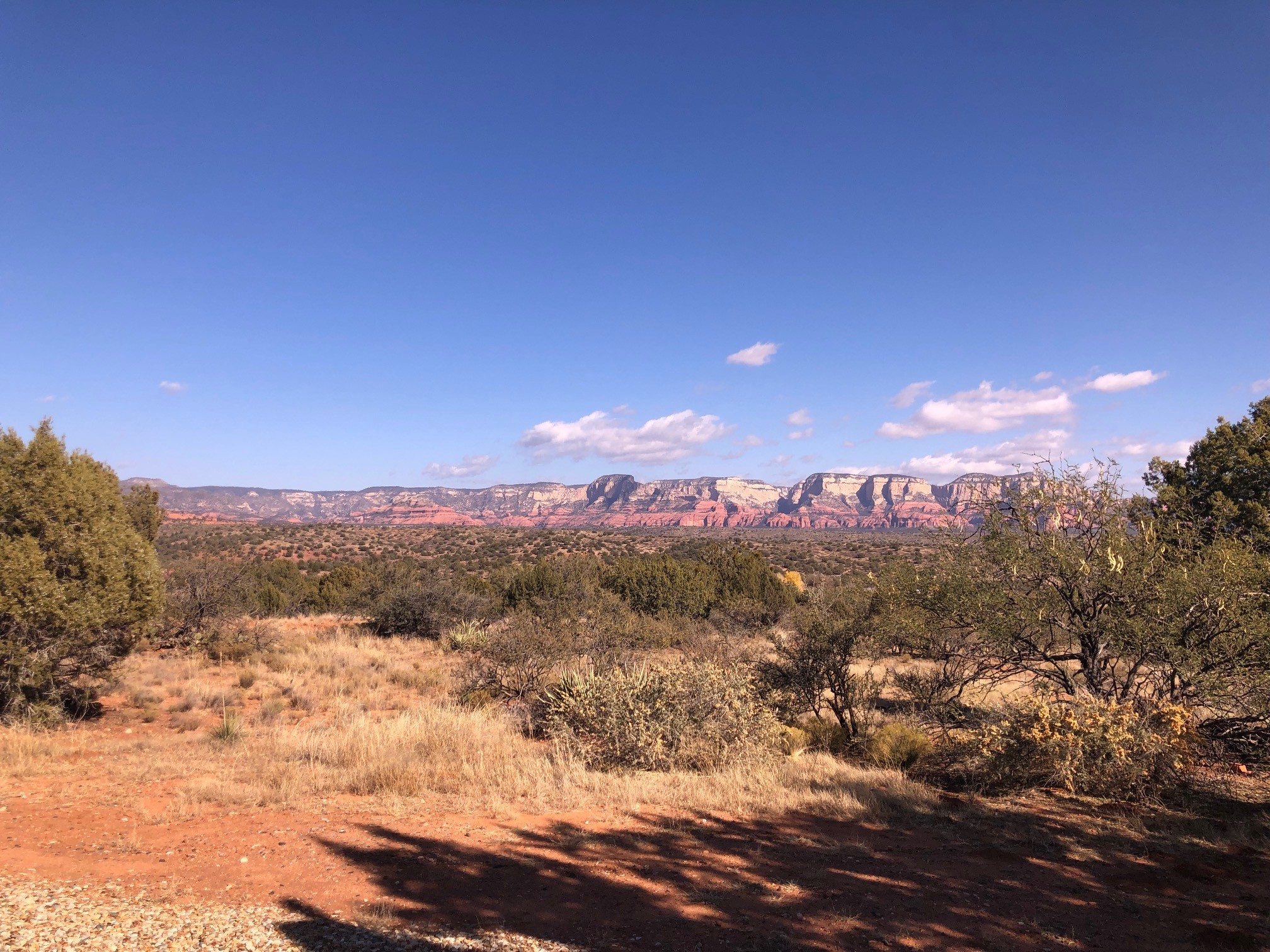
Just like the striking red rock formations of Sedona—you have the ability to reflect and radiate light for your trauma clients. That power is even greater when you’re using a safe, evidence-based modality that can help them process, heal, and reclaim their inner light.
Eye Movement Desensitization and Reprocessing (EMDR) is one of the most effective modalities for treating trauma and PTSD. With this treatment approach, you’ll have even more tools to help clients find noticeable relief from trauma symptoms.
So, if you’re ready to learn and implement EMDR... then this is your sign to finally say yes to a life-changing, immersive, and rejuvenating experience.
Here’s why hundreds of your colleagues have loved this retreat:
- Linda Curran is a seasoned retreat host, making you feel safe, supported, and cared for throughout your training and free time.
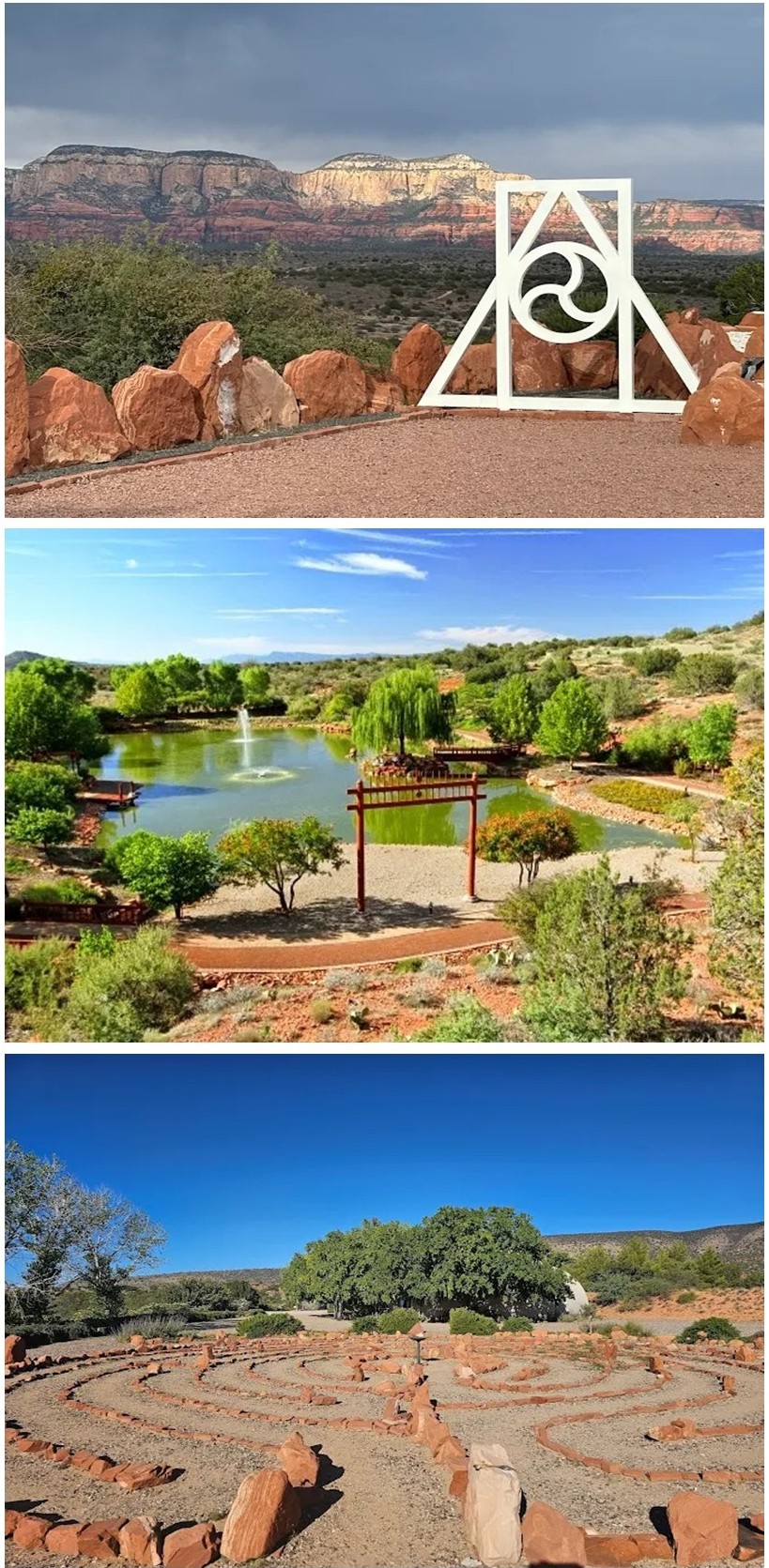
- As an all-inclusive retreat, you’ll enjoy healthy, nourishing meals and 173 acres of beautiful landscape, nature trails, meditation areas, and more!
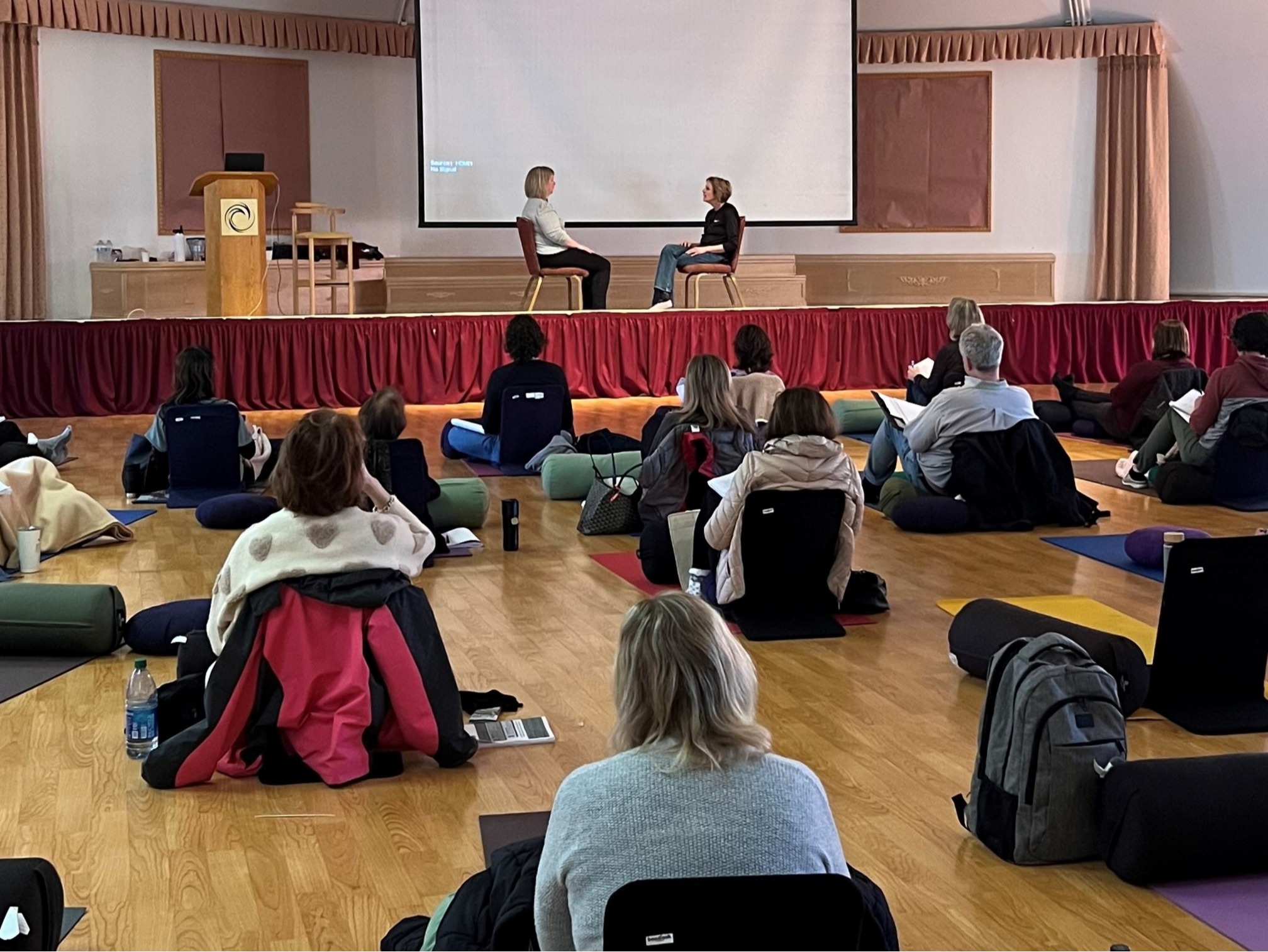
- Through multiple days of supervised, experiential practice sessions and live demos, you’ll be provided with the specific steps to effectively introduce and use EMDR into your practice.
- This retreat gets you well on your way to becoming a Certified EMDR Clinician (EMDR-C) through Evergreen Certifications by fulfilling all EMDR educational and clinical practice hours.
More than anything, it’s an opportunity for YOU to reconnect with what’s important, build a community with your cohort, and leave feeling energized to continue your important work.
PLUS, earn up to 33.25 CE Hours!
7-Day Retreat: EMDR Intensive Clinical Training
LIVE in Sedona, Arizona: Sunday, September 20 – Saturday, September 26
Single Occupancy: $3,599.00
Plus, earn up to 33.25 CE Hours — included in your tuition. Credit details
Don't see your state profession listed? Contact us. Credit hours may vary by board and profession.
Cancellation policy details
Don't see your state profession listed? Contact us. Credit hours may vary by board and profession.
Cancellation policy details

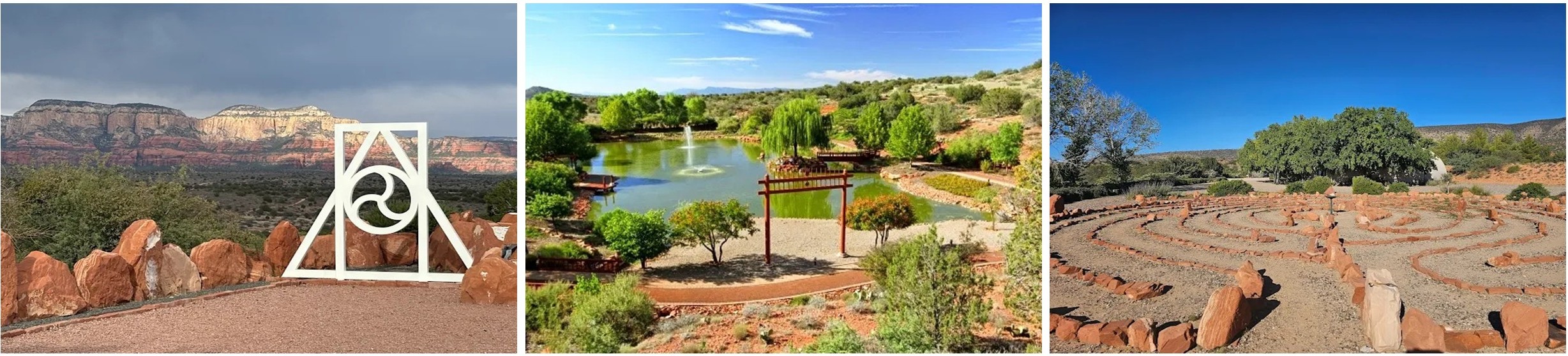
Feel the intensity and benefits of the energy vortexes of Sedona.
Why this retreat?
Why this retreat?
If you’ve been wondering what continuing education retreats are all about and want a deeply-immersive and transformative experience—then start here with Linda Curran at Sedona Mago Retreat Center.
Between the exquisite landscape, waterfalls, garden walks and healthful meals, the soul of Sedona can be felt as you drive onto the property. Past participants rave about how wonderful it is to stay at Mago… taking time to unwind, rejuvenate and connect with themselves and their community of colleagues… all at this remarkable place.
The daily schedule is designed to allow ample personal time to enjoy the beautiful surroundings and amenities. And, with all-inclusive pricing, your lodging, meals, and training are all covered in one simple price.
Plus, you’ll be with a cohort of other mental health professionals from around the United States—providing you a safe space for learning, connecting, and making life-long friends.
This retreat typically fills up fast! So book now!
What makes this EMDR Training special?
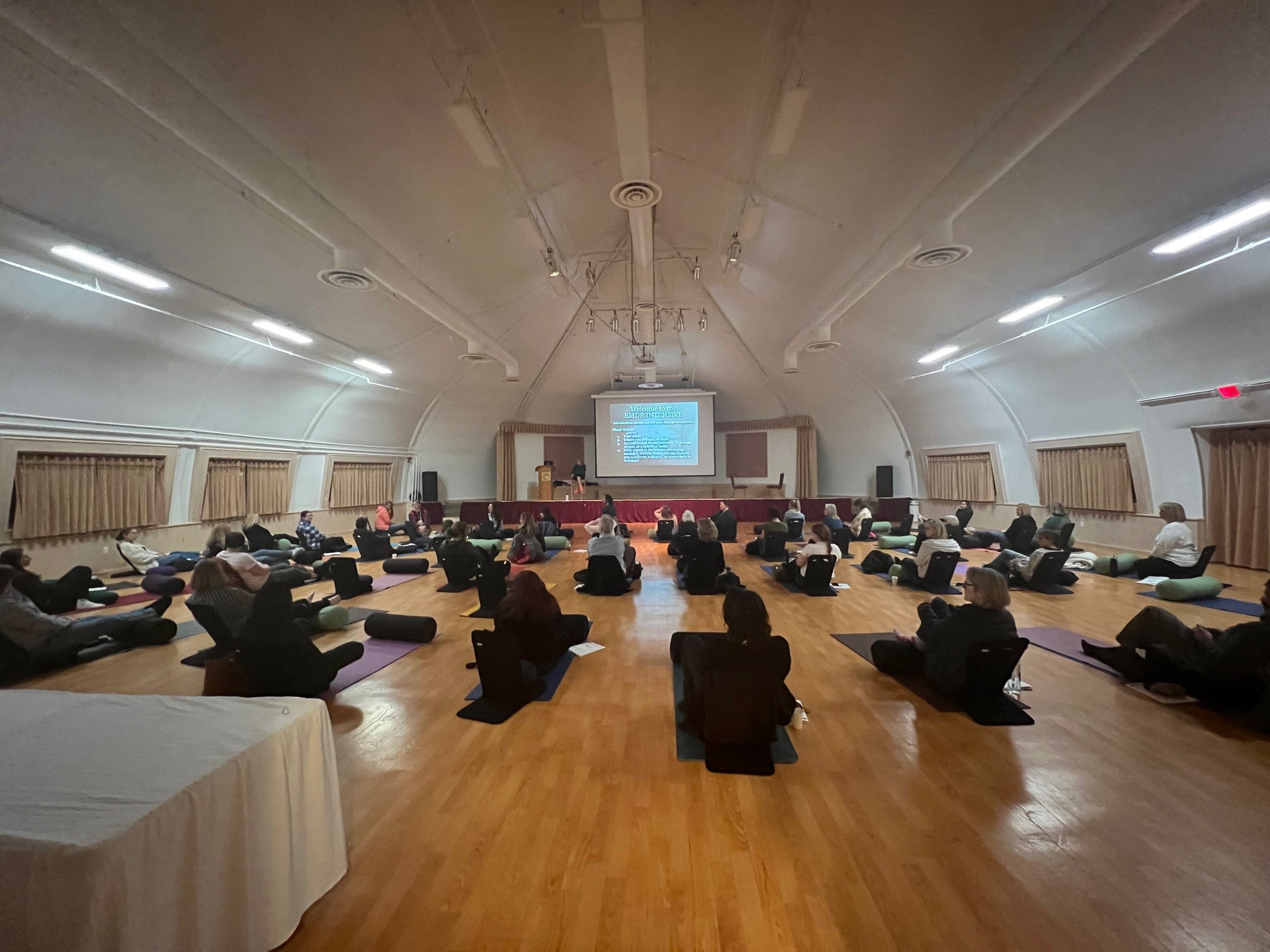
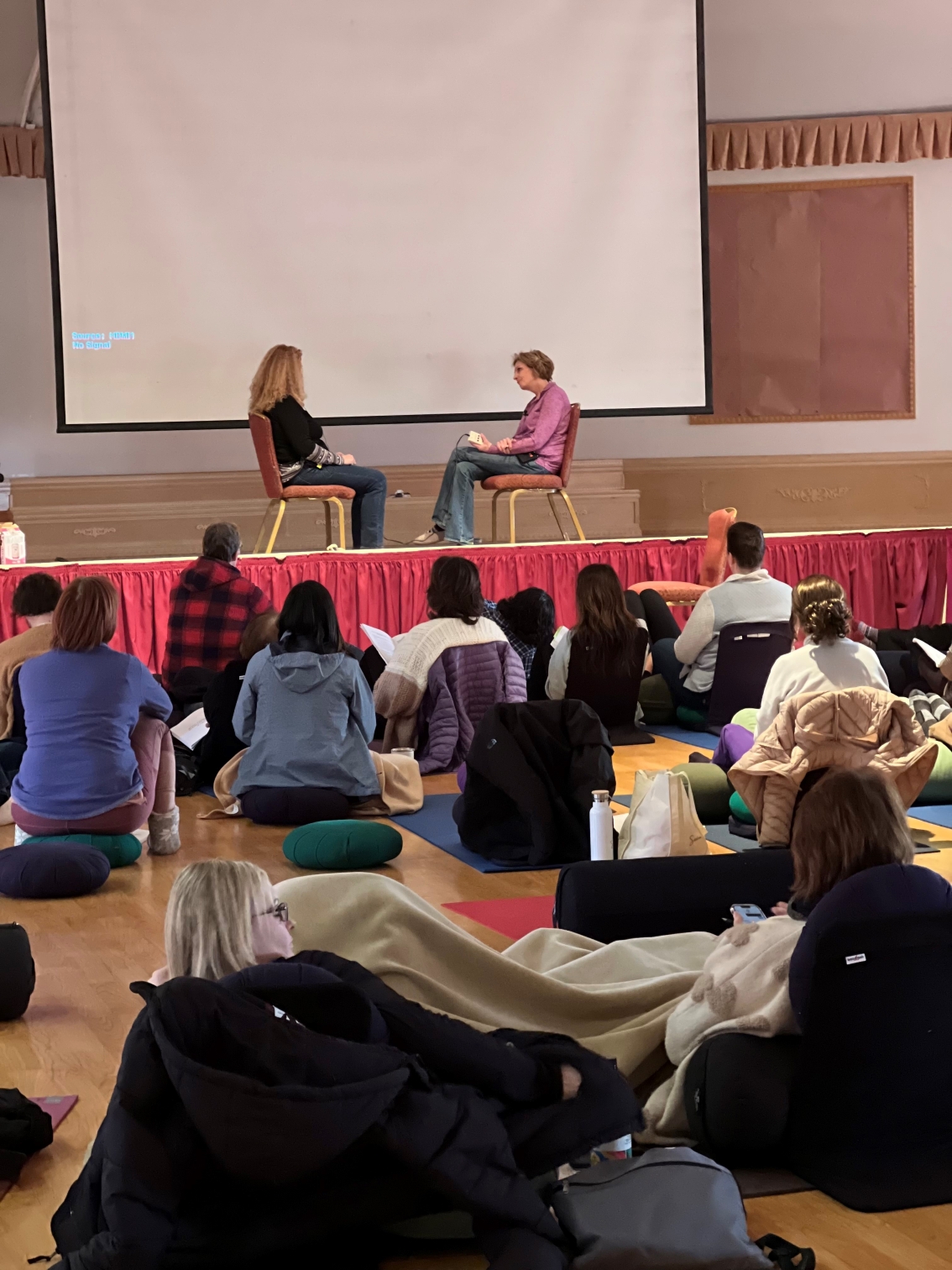
Through lecture, live and videotaped EMDR demonstrations, and supervised experiential practice sessions... This in-person training will provide you with not only the theory and principles, but the specific steps to effectively introduce and incorporate EMDR into your practice.
You’ll be with a cohort of colleagues to experience this intensive, interactive training that will provide you with the knowledge and skills needed to use EMDR safely and effectively. In just seven intensive days you’ll gain deep knowledge and tools to provide EMDR in your practice.
The tri-phasic stage model remains today’s state-of-the-art treatment approach for all but single incident trauma. During this training, you will learn the goals of each stage, along with the therapeutic tools to reach those goals.
- Learn how to use the evidence-based treatment modality, EMDR. Learn first-hand why it is such an effective treatment for both single-incident PTSD and complex trauma.
- Participate in hands-on practice of EMDR in a safe and supervised environment.
- Learn this dynamic, comprehensive skill that will equip you to improve outcomes with traumatized clients right away.
- Join colleagues in the healing environment of the desert to learn and practice skills. After the training, return home with a ready-made cohort for online group consultation.
This training opportunity is a MUST if you work with traumatized clients – an opportunity in a serene setting to safely do personal work.
Retreat Schedule
All Times Listed in Local Time
Sunday, September 20, 2026
4:00–5:30 pm
Check-In
5:30–6:30 pm
Dinner
7:00–7:45 pm
Introduction and Overview Content*
Monday, September 21 - Friday, September 25, 2026
7:00–8:00 am
Breakfast
8:00 am–12:15 pm
Training*
12:15–1:00 pm
Lunch
1:00–5:30 pm
Restoration and Relaxation
5:30–6:30 pm
Dinner
6:30–8:45 pm
Training*
Saturday, September 26, 2026
7:00–8:00 am
Breakfast
8:30–9:30 am
Farewell
9:30 am–12:00 pm
Check Out & Depart Retreat Center
*CE is awarded during these specified times. Licensing boards require full attendance to all CE training sessions to receive any credit for the entire retreat. Please plan travel accordingly.
Who Should Attend?
This workshop is intended for masters- and doctoral-level clinicians experienced in working with trauma. You will learn and practice alternating bilateral stimulation into two distinct types of psychotherapy sessions; development and installation of internal resources; and reprocessing of traumatic material.
The target audience includes:
The target audience includes:
- Psychologists
- Counselors
- Social Workers
- Psychotherapists
- Addiction Counselors
- Marriage & Family Therapists
- Mental Health Professionals
See What Others Have Said...

“By far the best training experience I have ever had. I would not recommend a single change to the content or delivery. [She] Demonstrated genuine respect for the material and continuously maintained focus on the best interest of clients… I would sign up for any trainings with her name on it.”
—Erika M, Counselor
“… The whole experience was transformative for me. I thoroughly enjoyed her teaching style.”
—Deborah B, Counselor
“Excellent, professional, personable, knowledgeable, highly recommend.”
—Jeanne K, Social Worker
“Linda Curran is very knowledgeable and skilled in delivering the content in a way that accommodates different learning styles. Linda was very responsive to questions and provided real life examples.”
—Jessica C, Psychotherapist
“Linda was an amazing and very knowledgeable presenter. Bravo!”
—Natali K, Social Worker
7-Day Retreat: EMDR Intensive Clinical Training
LIVE in Sedona, Arizona: Sunday, September 20 – Saturday, September 26
Single Occupancy: $3,599.00
LIVE in Sedona, Arizona: Sunday, September 20 – Saturday, September 26
Single Occupancy: $3,599.00
Plus, earn up to 33.25 CE Hours — included in your tuition. Credit details
Don't see your state profession listed? Contact us. Credit hours may vary by board and profession.
Cancellation policy details
Don't see your state profession listed? Contact us. Credit hours may vary by board and profession.
Cancellation policy details
Retreat Content
Neuroscience’s Current Trauma Paradigm
- Working definition of trauma
- Biological nature of trauma
- Flight, fight, freeze response (sympathetic response) vs. collapse/dissociate (parasympathetic response)
- Triune Brain, The Autonomic Nervous System and the Stress Response
- Stress: Eustress, manageable, normal vs. Traumatic Stress: prolonged, complex and developmental
- The Polyvagal Theory as it relates to trauma
- Research limitations on differences in theory and in the associated neurophysiological model
- Specific trauma symptoms
- Primary treatment issues in trauma therapy
- Hyperarousal
- Hypoarousal
- Dissociation, body memories, and “flashbacks”
- Affect dysregulation
- The Adverse Childhood Experiences Study (ACE Study)
- Attachment Essentials
- Baby/momma trauma
- Insecure Attachment Styles Assessment and Primary Treatment Issues of:
- Avoidant
- Preoccupied
- Disorganized type
Current Trauma Diagnoses:
- Acute Trauma Disorder
- PTSD and subtypes: Dissociative and Preschool
- Borderline Personality Disorder (BPD)
- Developmental Trauma Disorder (DTD)
- Complex PTSD (Currently in the ICD- 11)
- Tri-Phasic model of trauma treatment
- Overview of The Stage Model of Treatment
- Assessment, Rapport, Psychoeducation
- Prerequisites to processing memories
- Developing the “Skills to Stay Stable”
- Trauma tools for stabilization:
- Recognizing and regulating client (and clinician’s) physiology (co-regulation)
- Recognizing and regulating emotion and affect (self-regulation)
- Recognizing and interrupting dissociative episodes and “flashbacks”
- Grounding clients in their bodies~in the here and now
- Mindfulness/bodyfulness, including:
- Somatic and sensorimotor interventions
- EFT (meridian tapping)
- Reducing or increasing physiological arousal
- Recognizing the necessity up & down regulating arousal levels
- Containment and self-soothing
- Multisensory Guided Imagery
- Research and limitation of research
- Live Demonstration: Development & installation of imaginal resources
- Practice: Resourcing and stabilization exercise in pairs
- Single incident vs. complex trauma: Completely separate approaches
- Overview of several trauma processing modalities
- Sensorimotor Psychotherapy (SP)
- Somatic Experiencing (SE)
- EMDR
- Contraindications and precautions for reprocessing trauma
- Current research and limitations of the research
- Shapiro’s EMDR 8-Phase Protocol
- Parnell’s Modified Protocol for Complex Trauma
- Shapiro’s Adaptive Information Processing
- Steps to EMDR
- EMDR modified script for sessions
- Quick Assessment for EMDR readiness
- Bilateral Stimulation
- Types/options: Visual, auditory & tactile
- Considerations and further resources for EMDR with children
- Considerations and available protocols for working with addictions/compulsions
- Millers’ Feeling-State Therapy Addiction Protocol
- Popky’s DTUR ( Desensitization of Triggers and Urge Reprocessing)
- Next steps for continued practice and training
EMDR for Both Resourcing and Trauma Processing
Under Supervision, Safely Practice the Skills of EMDR for Both Stage One and Two
Practice in Triads: Stage Two Work - Reprocessing Traumatic Memories
Wrap Up with Group Discussion
- Demonstrations: Live EMDR session demonstrations & discussion
Under Supervision, Safely Practice the Skills of EMDR for Both Stage One and Two
- Practice in Triads: Stage One Work - Imaginal Resourcing
- Containment Imagery
- Comfortable Place Imagery
- Protection Imagery
- Nurture Imagery
- Triumph Imagery
Practice in Triads: Stage Two Work - Reprocessing Traumatic Memories
- Use the Modified EMDR script in practice sessions as client and therapist
Wrap Up with Group Discussion
This training is not affiliated with EMDRIA and does not qualify towards EMDRIA credits or training.
This seminar focuses heavily on the use of the TheraTapper™. Other methods of bilateral stimulation are marginally discussed and can be used in practice.
7-Day Retreat: EMDR Intensive Clinical Training
LIVE in Sedona, Arizona: Sunday, September 20 – Saturday, September 26
Single Occupancy: $3,599.00
Plus, earn up to 33.25 CE Hours — included in your tuition. Credit details
Don't see your state profession listed? Contact us. Credit hours may vary by board and profession.
Cancellation policy details
Don't see your state profession listed? Contact us. Credit hours may vary by board and profession.
Cancellation policy details
Meet Your Retreat Instructor

Linda Curran, BCPC, LPC, CAC-D, CCDPD, EMDR-C, is president of Integrative Trauma Treatment, LLC in Havertown, PA. She provides clients an integrative approach to trauma, and treats PTSD in adolescent and adult populations, including clients with eating disorders, sexual trauma, and self-injury. An international speaker on the treatment of trauma and EMDR, Linda has developed, produced, and presents multi-media workshops on all aspects of psychological trauma.
Linda is the author of best-selling Trauma Competency: A Clinician’s Guide and 101 Trauma-Informed Interventions. She is the producer of the best-selling Master Clinician Series, in which she collaborated with the world’s leaders in trauma: Bessel van der Kolk, MD, Peter Levine, PhD, Babette Rothschild, MSW, LCSW, Stephen Porges, PhD, Janina Fisher, PhD, and many more.
Information about Linda Curran
Linda is the author of best-selling Trauma Competency: A Clinician’s Guide and 101 Trauma-Informed Interventions. She is the producer of the best-selling Master Clinician Series, in which she collaborated with the world’s leaders in trauma: Bessel van der Kolk, MD, Peter Levine, PhD, Babette Rothschild, MSW, LCSW, Stephen Porges, PhD, Janina Fisher, PhD, and many more.
Information about Linda Curran
What does Tuition Include?
- Learn to use EMDR safely and effectively to heal your clients suffering from trauma
- Hours of live demos and supervised, hands-on practice sessions
- Up to 33.25 CE Hours
- Course manual
- Healing vortexes, meditation areas & labyrinth
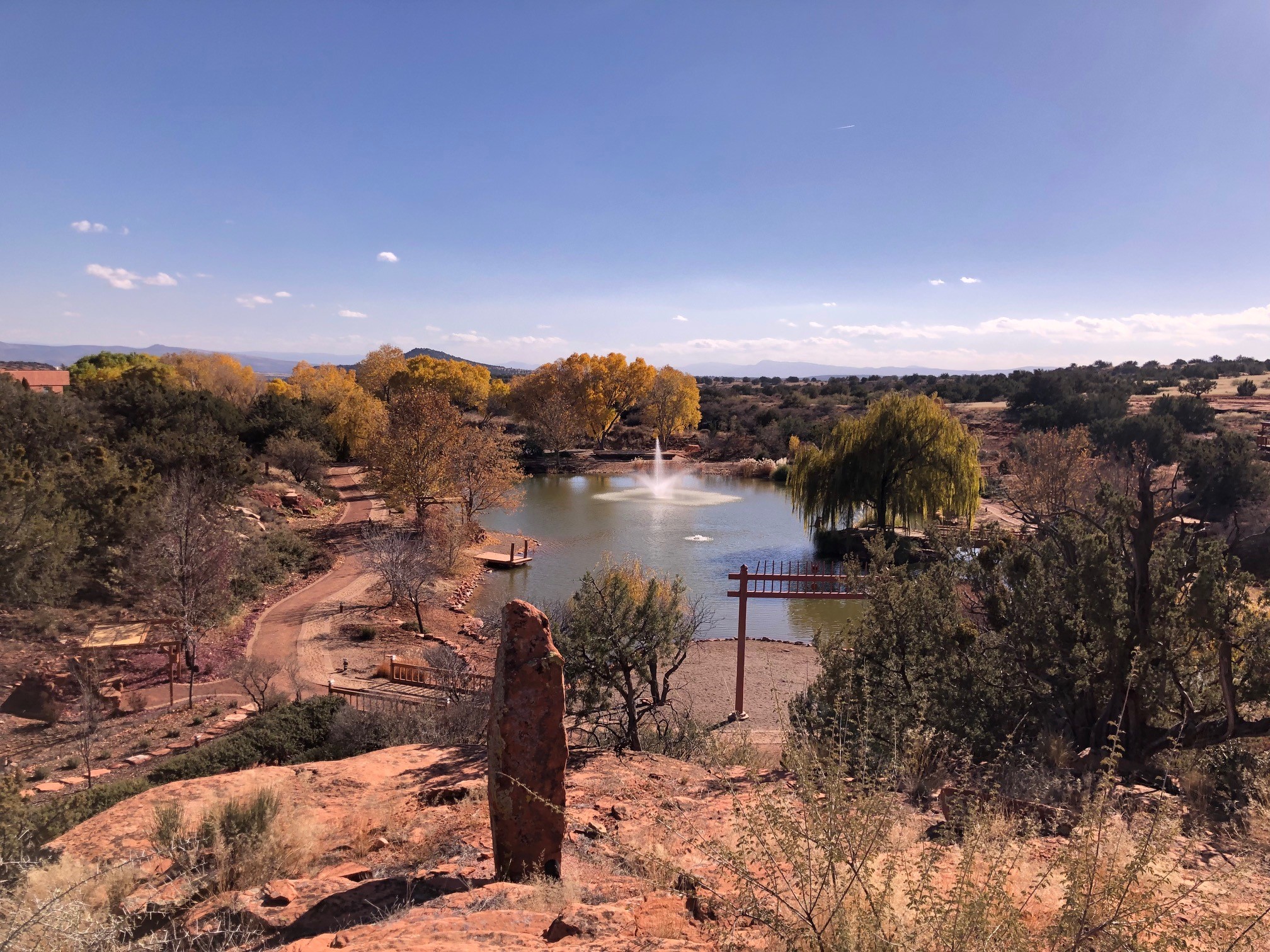
- Peaceful lake & trails – surrounded by magnificent red rock mountains
- Healthful pesco-vegetarian cuisine
- Lodging, with private bathrooms, for the duration of your stay
Interested in Becoming EMDR Certified?

This retreat gets you well on your way* to becoming a Certified EMDR Clinician (EMDR-C) through Evergreen Certifications by fulfilling all EMDR educational and clinical practice hours.
This retreat covers the following requirements:
- 18 EMDR Educational Hours
- 6 Trauma Educational Hours
- 6 EMDR Practice Hours
PLUS! Attendance to this retreat gives you access to exclusive discount offers on additional trauma training hours needed for certification* and the Evergreen certification fee!
Don’t pass up on this opportunity to take the next step towards becoming recognized as an Evergreen Certified EMDR Clinician, instill confidence in your patients and be recognized by your peers as an authority on EMDR!
*Professional & clinical standards apply. See additional certification requirements HERE.

Click "+" to Expand
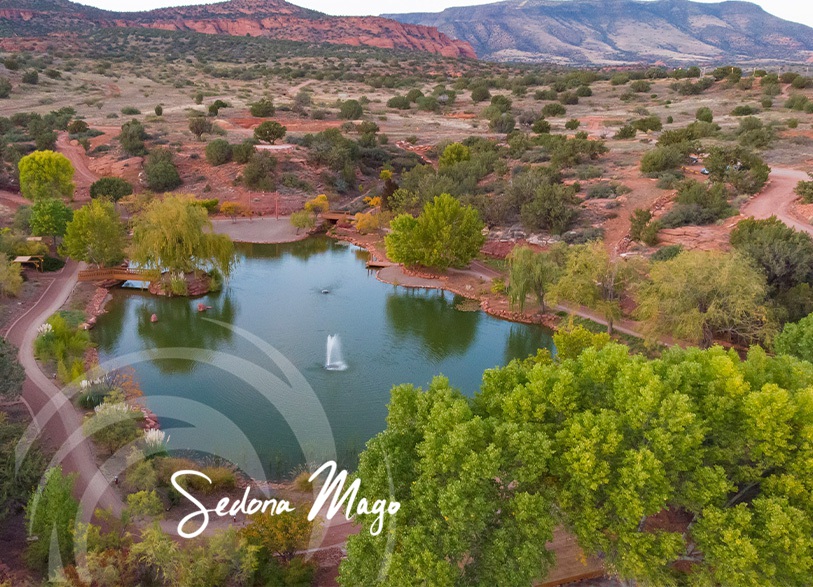
The Sedona Mago Retreat Center is located in Sedona, Arizona, an area long known for natural healing and spiritual awakening. Surrounded by red monoliths, Native American ruins and majestic mountains. Experience the beauty, feel the energy, and awaken your spirit.
Retreat Highlights
- Secluded retreat – offering 173 acres
- Private or shared casitas with private bathrooms
- Healthful pesco-vegetarian cuisine (3 meals daily)
- Beautiful lake surrounded by trees, flowers, aromatic herbs, and many wild birds
- Covered patios, meditation areas & labyrinth
- Healing vortexes - experience healing and deep awakening
- Peaceful trails to enjoy nature
- Awe-inspiring sunrises, sunsets and stargazing
- Direct shuttle service available from Phoenix Sky Harbor (additional fees)
Your Accommodations
Retreat rooms at Sedona Mago are simple, yet comfortable, offering you a peaceful space to unwind and recharge. Each room comes equipped with two queen beds, a private bathroom, a mini fridge, a hair dryer, and bath products. Rooms at Mago are meant to be quiet places for you to pause, rest, and unwind while on retreat.
Retreat Location
Sedona Mago Retreat
3500 E Bill Gray Road
Sedona, AZ 86336, USA
Phone: (928) 204-3391
Shuttle Services
Shuttle services are available from Phoenix Sky Harbor Airport to Sedona Mago, such as Groome Transportation (928-350-8466). For more information, please visit Sedona Mago’s website HERE. Note that transit times may take longer than the geographical distance from the airport. Please review the retreat’s schedule above, inquire regarding transit times with the shuttle services, and plan flights/travel accordingly.
Accessibility
Sedona Mago Retreat Center has been mindfully set in nature – the grounds and roads are a mixture of dirt, gravel, and pavement. The general guest areas are spread out over many acres, so getting to and from various points will require walking moderate distances and traversing stairs and hills. If mobility is a concern, please contact the retreat center before registering with PESI.
Non-Participating Retreat Guests
Sedona Mago is an all-inclusive retreat center. All reservations are per individual, not per room. All individuals staying at the retreat center incur a room and board charge whether or not they are participating in the PESI educational training. If you are considering bringing a guest with you who will not be participating in the PESI educational training, please contact PESI at 800-844-8260.
CE Information
Please review the retreat’s credit information by clicking any of the “Click here for CE credit details” links found above.
PLEASE NOTE: Most licensing boards require full attendance to the entire program to receive any credit.
Please review the retreat’s schedule above and plan your travel accordingly to ensure full attendance to the program.
Travel Advisories
All attendees are advised to purchase travel insurance that includes a cancellation for any reason option to protect your travel plans.
If for any reason you are unable to attend, please contact us immediately:
Email: retreatinfo@pesi.com • Phone: 800-844-8260
Please check with your local government to see what advisories are in place before you travel. All flights are subject to the terms and conditions of your airline carrier’s policy travel plans.
From Purchase Date until August 20, 2026: Cancellation results in a full refund less a $100 administrative fee
From August 21, 2026: Cancellation results in a 50% penalty of the total purchase amount
7-Day Retreat: EMDR Intensive Clinical Training
LIVE in Sedona, Arizona: Sunday, September 20 – Saturday, September 26
Single Occupancy: $3,599.00
Plus, earn up to 33.25 CE Hours — included in your tuition. Credit details
Don't see your state profession listed? Contact us. Credit hours may vary by board and profession.
Cancellation policy details
Don't see your state profession listed? Contact us. Credit hours may vary by board and profession.
Cancellation policy details