
When Neurodivergent Communication Gets Misread
Clinical Strategies for Working with ADHD, Autistic & AuDHD Clients
- Speaker:
- Ali Arena Perkinson, Ed.D., CCC-SLP, BCBA
- Duration:
- 3 Hours
- Copyright:
-
Jan 29, 2027
- Product Code:
- POS151129
- Media Type:
- Digital Seminar - Also available: Live Webinar

Description
When neurodivergent communication is viewed through neurotypical expectations, overload may be mistaken for avoidance, directness for hostility, and delayed processing for disengagement.
These misunderstandings can weaken rapport, reinforce shame, and turn communication mismatches into relationship injuries.
In this practical, neurodiversity-affirming training, Dr. Ali Perkinson will help clinicians better understand communication differences in ADHD, autism, and AuDHD populations and apply strategies that support connection, engagement, and repair.
Through case examples and interactive learning, you’ll discover how to:
- Recognize when communication differences, overload, or executive functioning challenges are being mistaken for resistance or lack of motivation.
- Reduce attribution errors that can damage rapport and undermine treatment progress.
- Adapt language, pacing, expectations, and homework to increase accessibility and engagement.
- Facilitate productive conversations around clarification, accountability, conflict, and repair.
- Support adolescents and adults with ADHD, autism, and AuDHD without pathologizing neurodivergent communication or reinforcing masking.
You’ll leave with adaptable scripts, communication tools, and relationship-repair strategies you can immediately apply across clinical, family, workplace, and educational settings.
Credit
Speaker
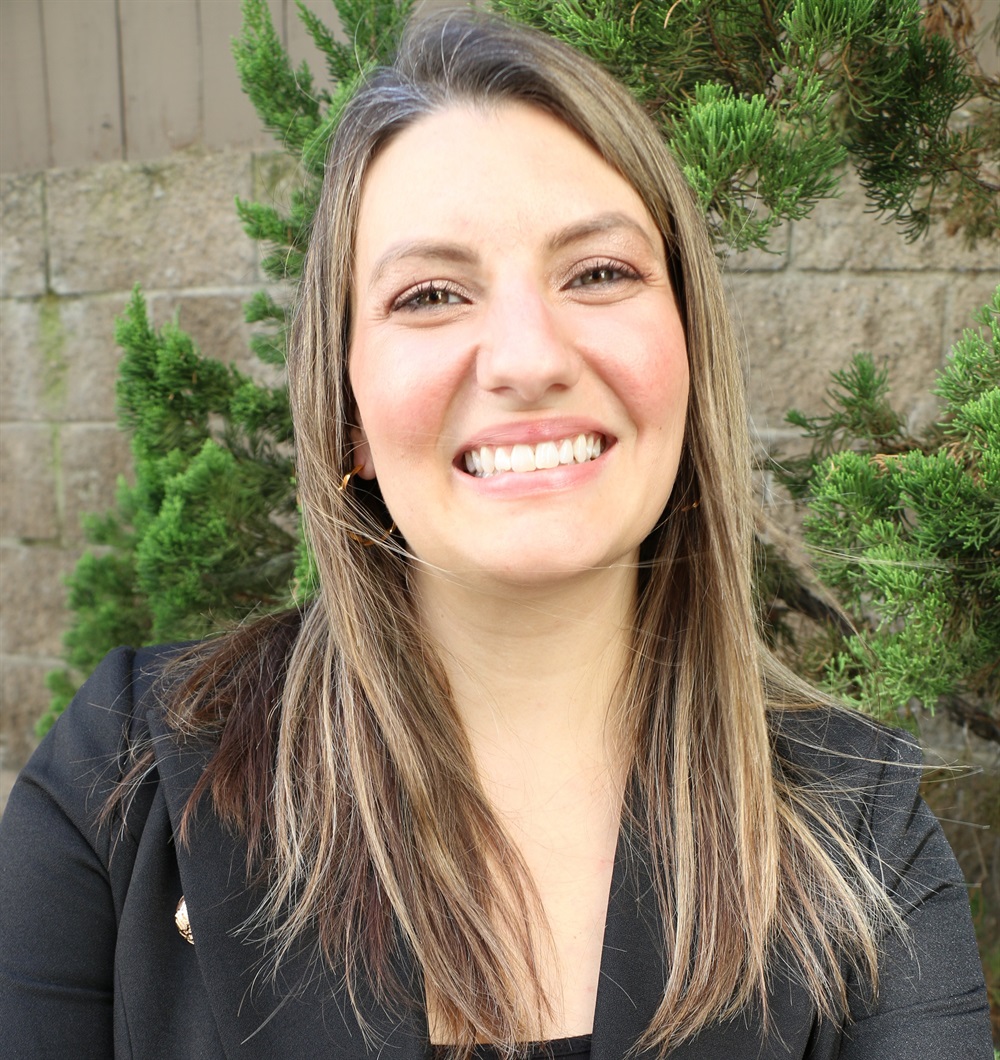
Ali Arena Perkinson, Ed.D., CCC-SLP, BCBA Related seminars and products
Dr. Ali Perkinson is passionate about social cognition, language processing, executive functioning, and creating meaningful friendships & relationships. This is why she refers to herself as an interpersonal detective that searches for patterns to increase connection either in romantic relationships, friendships, or parent-child dynamics. She is both a speech-language pathologist and a board-certified behavior analyst. She holds a doctorate in educational leadership and is a licensed educational psychologist. She uses a neurodiversity-affirming and trauma-informed lens while working with all clients. Her doctorate focus was unique, to say the least as it addressed the dating intricacies of Autistics, which led her to develop her private practice for anyone who wants to help socially navigating in their workplace or relationships. Lastly, she truly feels social support is a biological necessity and wants to help all neurodivergent individuals to reach holistic communication.
Speaker Disclosures:
Financial: Dr. Ali Perkinson is the Co-founder of Innovations & Influences, LLC and NeuroDrive. She is the owner of Connection Squared, LLC. Additionally, she serves as a consultant with Zip Zap Zop and a research assistant at Seton Hall University. Dr. Perkinson is a contributor and summit speaker with Autism Parenting Magazine, and she receives a speaking honorarium, recording royalties, and consultant fee from PESI, Inc. She has no relevant financial relationships with ineligible organizations.
Non-financial: Dr. Ali Perkinson is a member of the American Psychological Association (APA), the Association for Behavior Analysis International (ABAI), the American Speech-Language-Hearing Association (ASHA), and the International Association of Communications.
Additional Info
Access for Self-Study (Non-Interactive)Access never expires for this product.
For a more detailed outline that includes times or durations of time, if needed, please contact cepesi@pesi.com.
Questions?
Visit our FAQ page at www.pesi.com/faq or contact us at www.pesi.com/info
Objectives
- Identify neurodivergence-related contributors to defensiveness, avoidance, disengagement, and low motivation.
- Utilize neurodiversity-affirming strategies to modify clinical language, pacing, homework, supports, and expectations.
- Choose structured communication and repair strategies for common relationship and participation challenges.
Outline
Reframing Communication Through a Neurodiversity-Affirming Lens
- ADHD, autism, and AuDHD communication profiles across adolescence and adulthood
- Double empathy, bidirectional misunderstanding, and neurotype mismatch
- Directness, processing latency, literal interpretation, monotropic attention, and variable access to language
- Masking, shame, sensory load, alexithymia, interoception, and emotional expression
- Clinical differentiation: skill gap, performance variability, overload, environmental mismatch, and relational distress
From Executive Dysfunction to Relationship Injury
- Working memory, initiation, inhibition, time perception, prioritization, and follow-through
- Hidden executive demands in scheduling, homework, transitions, and repair conversations
- “Won’t” versus “can’t yet”: functional and contextual formulation
- Escalation cycles: reminder, shame, explanation, criticism, shutdown, and withdrawal
- Environmental scaffolds, externalized supports, and collaborative accountability
- Why “lazy” labelling does so much harm
Communication Tools Clinicians Can Use Immediately
- Explicit-language audit: implied meaning, vague requests, tone assumptions, and unspoken rules
- Accessible emotional check-ins for alexithymia, low interoceptive access, and processing delay
- Repair scripts for clarification, impact, intent, validation, boundaries, and next steps
- Shutdown and overload plans: pause signals, recovery time, re-entry, and follow-up
- Homework redesign: smaller activation steps, visible cues, choice, rehearsal, and accountability
Application Across Relationships and Settings
- Maya, 16: academically capable student; masking, delayed processing, peer rupture, and shutdown after vague feedback
- Jordan, 31: employee with ADHD; time blindness, working-memory breakdowns, repeated missed follow-through, and escalating shame
- Riley and Sam, 38 and 41: mixed neurotype couple; intent-impact mismatch, reminder-defensiveness cycle, and failed repair attempts
- Chris, 27: autistic therapy client; homework noncompletion, alexithymia, sensory overload, and clinical attribution of resistance
- Limitations of the research, potential risk, cultural considerations, scope, and referral decisions
Target Audience
- Counselors
- Social Workers
- Psychologists
- Educators
- Occupational Therapists
- Speech Language Pathologists
- Marriage and Family Therapists



Reviews
Satisfaction Guarantee
Your satisfaction is our goal and our guarantee. Concerns should be addressed to: PO Box 1000, Eau Claire, WI 54702-1000 or call 1-800-844-8260.
ADA Needs
We would be happy to accommodate your ADA needs; please call our Customer Service Department for more information at 1-800-844-8260.
PESI Mobile App
Access CE trainings on your phone or tablet through our free mobile app. Choose video or audio-only versions of online courses from the world’s best instructors, and complete your CE requirements anywhere, anytime, at your own pace.




Please wait ...