

Using Food to Survive Early Trauma
Binge Eating as Self-Harm Behavior
- Speaker:
- Amy Pershing, LMSW, ACSW, CCTP-II
- Duration:
- 1 Hour 30 Minutes
- Format:
- Audio and Video
- Copyright:
-
Oct 03, 2023
- Product Code:
- POS059573
- Media Type:
- Digital Seminar

Description
Binge eating often develops to protect clients from the overwhelming somatic and psychological experience of trauma. When few choices for coping are available, particularly in childhood, food may allow for stimulation, dissociation, and other means of survival. Amy Pershing, LMSW, ACSW, a pioneer in the treatment of binge eating disorder, will show you:
- How to transform your clients' relationships with food
- Strengths-based interventions to build affect tolerance and develop self-compassion
- Critical skills to address the impact of cultural body shaming and weight stigma on recovery
Credit
Speaker
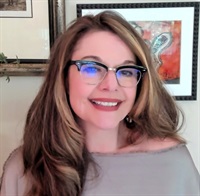
Amy Pershing, LMSW, ACSW, CCTP-II Related seminars and products
Center for Eating Disorders
Amy Pershing, LMSW, ACSW, CCTP-II, is the Founder of Bodywise. She is the President of the Board of the Center for Eating Disorders in Ann Arbor, Michigan, and co-founder of Pershing Consulting, LLC, which offers training to clinicians treating BED and trauma worldwide. She is also the Co-Founder of the Eating Disorders Education Institute (EDEI), a national training program for eating disorder professionals.
Amy is an internationally known leader in the development of treatment paradigms for BED, and one of the first clinicians to specialize in BED treatment. Based on 35 years of clinical experience, Amy has pioneered an approach to BED recovery that is strengths-based and trauma informed, uniquely designed to heal the deeper issues that drive binge behaviors. Her approach integrates a non-diet body empowerment philosophy, helping clients create lasting change with food and body image. Amy also specializes in working with neurodivergence and BED.
Amy lectures and teaches internationally on the treatment of BED for professional and lay communities; she has been featured on radio, podcast, and television programs around the world, speaking about BED treatment and recovery, relapse prevention, weight stigma, and a non-diet approach for eating and movement. She is the Past Chair of the Binge Eating Disorder Association (BEDA), and winner of BEDA’s Pioneer in Clinical Advocacy award. She is the author of the book Binge Eating Disorder: The Journey to Recovery and Beyond and The Emotional Eating, Chronic Dieting, Binge Eating & Body Image Workbook, with co-authors Judith Matz and Christy Harrison.
Speaker Disclosures:
Financial: Amy Pershing is the founding director of Bodywise and has an employment relationship with The Center for Eating Disorders. She receives royalties as a published author. Amy Pershing receives a speaking honorarium, recording, and book royalties from Psychotherapy Networker and PESI, Inc. She has no relevant financial relationships with ineligible organizations.
Non-financial: Amy Pershing is a founding board member of the Eating Disorders Action Network and The Body Freedom Project. She is the membership chair for the Eating Disorders Professional League of Michigan.
Additional Info
Access for Self-Study (Non-Interactive)Access never expires for this product.
For a more detailed outline that includes times or durations of time, if needed, please contact cepesi@pesi.com. ** no”Access to Self Study” tab available.
Questions?
Visit our FAQ page at www.pesi.com/faq or contact us at www.pesi.com/info
Objectives
- Conduct an assessment for binge eating disorder.
- Examine binge eating and restriction through the lens of self-harm.
- Utilize at least two interventions to prepare clients to manage the impulse to binge.
Outline
Define binge eating/BED- Understand how bingeing (and restriction) offer protections in the face of overwhelming experiences
- The Critical Components of the Change Process
- Treatment Essentials and Best/Worst Models of Practice
- Defining Recovery and case example
- What is a binge? How does it differ from “overeating”?
- What is BED?
- Stats about BED
- Etiology
- Trauma (especially trauma to body, and weight related bullying and body shaming); attachment trauma
- Dieting
- ADHD Spectrum; “HSP”
- How to assess for BED in clinical practice
- Used much like cutting and other NSSI behaviors: management of the FFFF response and overwhelming experience
- Food is more predictable, available, and already intrinsically comforting, especially for children
- Endogenous opiates released
- Binges lessen PFC availability, so dissociation achieved
- Less dissonance than cutting/burning
- May use body shape/size to communicate, as with cuts
- May begin organically with food restriction by dieting (even at early ages)
The Basics of Change
- Any treatment model must be strengths-based in approach
- Abstinence models should be avoided
- Models that suggest bingeing is about being “powerless” should be avoided
- The “choice” to binge must belong to the client; no behavior contracts
- Bingeing must be seen as a part of the journey, not a “relapse”
- Weight stigma, body objectification must be addressed
- Non-diet/intuitive eating model builds trust in the body and allows clients to be the expert and owner of their body and experience
- “Fixing” the body (i.e. weight loss or shape change) should not be a treatment goal
- Using the POWR Model for the Impulse to Binge
- Pause into presence
- Open and allow
- Wisely consider
- Respond with care
Target Audience
- Counselors
- Social Workers
- Psychologists
- Psychiatrists
- Marriage & Family Therapists
- Addiction Counselors
- Other mental health professionals
Reviews
Satisfaction Guarantee
Your satisfaction is our goal and our guarantee. Concerns should be addressed to: PO Box 1000, Eau Claire, WI 54702-1000 or call 1-800-844-8260.
ADA Needs
We would be happy to accommodate your ADA needs; please call our Customer Service Department for more information at 1-800-844-8260.
PESI Mobile App
Access CE trainings on your phone or tablet through our free mobile app. Choose video or audio-only versions of online courses from the world’s best instructors, and complete your CE requirements anywhere, anytime, at your own pace.




Please wait ...