
Trauma-Informed Education Workshop
Over 20 Skills and Classroom Supports to Reduce Problem Behaviors and Improve Social/Emotional Wellness
- Speaker:
- Sarah Sherman, MEd, EBD
- Duration:
- Approx 6 hours
- Copyright:
-
Aug 14, 2026
- Product Code:
- POS150913
- Media Type:
- Digital Seminar - Also available: Live Webinar

Description
- What every school-based pro needs to know about trauma
- Dozens of practical classroom supports and interventions that build resilience
- “Connect then Redirect” strategies that really work in responding to problem behaviors
It’s the first 10 minutes of the school day.
One student is refusing to enter the classroom. Another with a hood over their head. And one is already asleep at their desk.
But this isn’t just defiance, apathy, disrespect, and lack of control … It’s trauma. And if you want to help these students learn you need to have the right tools.
That’s why we created this training with Sarah Sherman.
She has over 20 years in the classroom, served as a university instructor and specializes in helping educators and administrators understand and implement trauma-informed practices and policies.
In just one day she’ll give you the skills and practical supports you need to reduce problem behaviors and build a school where students feel safe, connected, and ready to learn.
Whether you’re a general education teacher, SPED teacher, school counselor, social worker, SLP, paraprofessional or administrator this training will show you how to:
- Create a sense of safety, trust, and agency so students can move out their survival brain
- Add supports to meet needs, address lagging skills, and reduce risk, so students are reinforced with a sense of success
- Teach kids skills to replace maladaptive coping strategies
- Repair relationships and collaboratively problem solve with students
- Use a complete toolbox of “Connect and Redirect” strategies to respond to behavior challenges
Fewer disruptions. Stronger relationships. Better learning outcomes for all.
This training gives you the roadmap to make it happen.
Purchase now!
Credit
Speaker
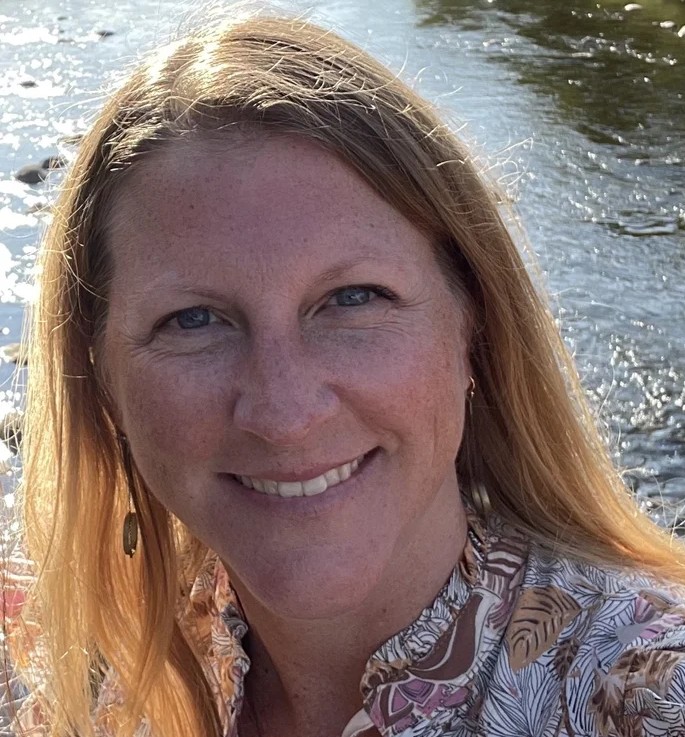
Sarah Sherman, MEd, EBD Related seminars and products
Sarah Sherman is a special educator, nationally board-certified teacher and founder of Removing Barriers LLC. She taught students with emotional and behavioral challenges for over 20 years and today she works with teachers, administrators and parents on understanding how SEL disorders and trauma/toxic stress impact students – and what we can do to provide support and practical interventions to help them succeed.
She has a masters in special education and completed post-graduate certificates in applied behavior analysis and trauma informed practices and policies. In addition to her training and consultation work with schools, she has been an instructor at the University of New Hampshire and Southern New Hampshire University. Sarah is known for bringing the best of neuroscience, research-based practices, and strength-driven connection tools to her trainings, and presenting in an engaging way and relatable way that is full of discussion, reflection, and application of content that leaves people inspired and prepared to make a change.
Speaker Disclosures:
Financial: Sarah Sherman has employment relationships with Removing Barriers LLC/SERESC, the University of New Hampshire, and the Southern NH University. She receives a speaking honorarium from PESI, Inc. She has no relevant financial relationships with ineligible organizations.
Non-financial: Sarah Sherman has no relevant non-financial relationships.
Additional Info
Access for Self-Study (Non-Interactive)Access never expires for this product.
For a more detailed outline that includes times or durations of time, if needed, please contact cepesi@pesi.com.
Questions?
Visit our FAQ page at www.pesi.com/faq or contact us at www.pesi.com/info
Objectives
- Identify the impacts trauma and toxic stress can have on the brain.
- Examine what unmet needs, lagging skills, and/or limiting beliefs are causing student behavior.
- Identify the factors that can improve resilience
- Use the trauma informed approach of establishing safety, trust, and agency to help students improve regulation.
- Use the trauma informed approach of connection and positive experience building strategies to help students build resilience.
- Develop resilience by adding supports and teaching skills to replace maladaptive coping strategies.
Outline
The Science Behind Trauma Made Simple
- What is Trauma and Toxic Stress?
- Adverse Childhood Experiences (ACE) and Their Impact
- How Trauma Changes the Brain: Key Neuroscience Insights
- Maslow’s Hierarchy of Needs and Why It Matters
How Trauma Shows Up in Your Classroom
- Cognitive Impacts on Learning and Memory
- Social-Emotional Competencies and Gaps
- Unmet Needs, Lagging Skills, and Limiting Beliefs
Building Resilience and Hope as Keys to Better Learning
- Tipping the Scale: Why Relationships Matter
- Neuroplasticity: The Brain’s Ability to Heal and Grow
- The Neurosequential Model: Understand Developmental Needs
- Create Conditions for Safety, Connection, and Skill Building
Create Safety, Trust, and Student Agency
- The Power of Consistency and Predictability
- Regulation Strategies for Calming the Nervous System
- Give Choice and Voice to Empower Students
Simple Strategies to Harness the Awesome Power of Connection
- Teacher Connections: Non-Contingent Positives, Collaborative Problem-Solving, Cheerleading, Feedback
- Peer Connections: Mentoring , Circles, and Community Building
- Positive Experiences and Success as Protective Factors
Add Supports and Teach Essential Skills
- Regulation Supports and Skill Building
- Cognitive Supports and Executive Function Skills
- Emotional Supports for Self-Awareness and Coping
- Social Skills for Healthy Relationships
- Self-Advocacy Skills for Independence
Respond to Problem Behavior: “Connect, Then Redirect” Strategies that Really Work
- Ways to Connect the Lower Defenses and Build Trust
- Redirect to Coping Strategies That Replace maladaptive Behaviors
- Research, risks and limitations
Target Audience
- General Education Teachers
- Special Education Teachers
- School Counselors
- School Social Workers
- School Psychologists
- School Administrators
- Speech Language Pathologists
- Occupational Therapists
- Physical Therapists
- Paraprofessionals



Reviews
Satisfaction Guarantee
Your satisfaction is our goal and our guarantee. Concerns should be addressed to: PO Box 1000, Eau Claire, WI 54702-1000 or call 1-800-844-8260.
ADA Needs
We would be happy to accommodate your ADA needs; please call our Customer Service Department for more information at 1-800-844-8260.
PESI Mobile App
Access CE trainings on your phone or tablet through our free mobile app. Choose video or audio-only versions of online courses from the world’s best instructors, and complete your CE requirements anywhere, anytime, at your own pace.




Please wait ...