
Restorative Practices for School Discipline Workshop
Science Backed Strategies for Effective Tier I/II Intervention in Classrooms and School Systems
- Speaker:
- Sarah Sherman, MEd, EBD
- Duration:
- Approx 6 Hours
- Copyright:
-
Oct 15, 2026
- Product Code:
- POS150996
- Media Type:
- Digital Seminar - Also available: Live Webinar

Description
Punitive discipline drains instructional time, burns you out and let’s face it … rarely changes student behavior.
That’s why Restorative Practices are a gamechanger – proven to reduce suspensions, referrals and repeat offenses.
Because restorative practices give you the tools to connect with students, build their sense of belonging and help them take ownership of their actions …
… instead of making them feel blamed, unwelcome and unsupported.
This workshop shows you how.
When you purchase you’ll get practical, ready-to-use restorative strategies that fit seamlessly into your existing PBIS/MTSS framework.
Walk away with concrete tools you can use immediately to build calm, connected, predictable environments where students learn skills instead of repeating cycles.
You’ll learn how to:
- Reduce suspensions, referrals, and expulsions
- De-escalate conflict without power struggles
- Build classroom communities where students own their actions
- Close discipline gaps with equitable practices
- Give your team a shared language for discipline
If you’re ready to stop pushing students out, help them build skills instead of feeling blamed – and finally make discipline feel less frustrating and more effective …
This workshop is for you. Purchase today.
Credit
Speaker
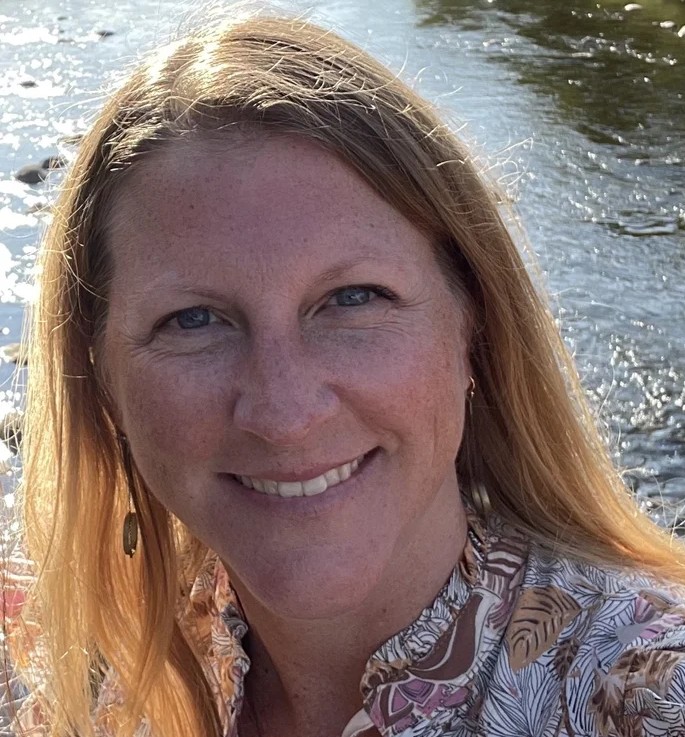
Sarah Sherman, MEd, EBD Related seminars and products
Sarah Sherman is a special educator, nationally board-certified teacher and founder of Removing Barriers LLC. She taught students with emotional and behavioral challenges for over 20 years and today she works with teachers, administrators and parents on understanding how SEL disorders and trauma/toxic stress impact students – and what we can do to provide support and practical interventions to help them succeed.
She has a masters in special education and completed post-graduate certificates in applied behavior analysis and trauma informed practices and policies. In addition to her training and consultation work with schools, she has been an instructor at the University of New Hampshire and Southern New Hampshire University. Sarah is known for bringing the best of neuroscience, research-based practices, and strength-driven connection tools to her trainings, and presenting in an engaging way and relatable way that is full of discussion, reflection, and application of content that leaves people inspired and prepared to make a change.
Speaker Disclosures:
Financial: Sarah Sherman has employment relationships with Removing Barriers LLC/SERESC, the University of New Hampshire, and the Southern NH University. She receives a speaking honorarium from PESI, Inc. She has no relevant financial relationships with ineligible organizations.
Non-financial: Sarah Sherman has no relevant non-financial relationships.
Additional Info
Access for Self-Study (Non-Interactive)Access never expires for this product.
For a more detailed outline that includes times or durations of time, if needed, please contact cepesi@pesi.com.
Questions?
Visit our FAQ page at www.pesi.com/faq or contact us at www.pesi.com/info
Objectives
- Evaluate problems with current discipline practices in schools.
- Examine what unmet needs, lagging skills, and/or limiting beliefs are causing student behavior.
- Identify the benefits to Restorative Practices in schools.
- Apply the Neurosequential Model into classroom practice by teaching and promoting regulation strategies for students to reset.
- Use Re-teach and Reflection Restorative Practices to build self-awareness and develop new coping strategies.
- Use Repair Relationships Practices to build social awareness, perspective taking, and repair harm.
- Identify the essential components to systematically implement restorative practices in schools that lead to improved behavior outcomes.
Outline
Reality Check: Current Practices and Zero Tolerance Policies
- Common beliefs about discipline
- Self-assessment
- The limitations of zero-tolerance policies
- Data highlights and disproportionate impacts
- The systemic cost: burnout, frustration and conflict cycles
- What behavioral science tells us
- Risks, research and limitations
The Frequent Fliers: Who They Are and What They Need
- Who are they
- Lagging Skills, Unmet Needs, Limiting Beliefs
- Executive functioning delays
- Regulation and co-regulation needs
- Communication challenges
- Skill gaps in conflict resolution, flexibility, frustration tolerance
- Limiting beliefs (e.g., “I’m the bad kid”)
- SEL Competencies
The Restorative Practices Toolkit
- 5 Practices (Reset, Reteach, Reflect, Repair, Restitution)
- Examples and methods in practice
- Walkthrough of real scenarios (e.g., disruption, elopement, physical aggression)
- Scripts and language samples
- Decision trees for choosing restorative responses
- Essential guides to structure procedures
- Pre-teaching expectations before problems occur
- Student input to increase ownership
- Solution-focused language to reduce power struggles
- Re-entry plans that restore safety, connection, and clarity
- Implement Connection then Redirection strategies
- Why connection improves compliance
- 30-second strategies to rebuild relational safety
- Practical redirection tools that maintain student dignity
- Systematic implementation at tiered levels
Implementation: Behavior Matrix and Re-Entry Plan
- Clearly define behaviors at tiered levels
- Prevent “gray area discipline”
- Develop response plans
- Immediate response flowcharts
- Scripts and decision guides for staff
- Use a restorative Practice rubric
Target Audience
- School Administrators
- General Education Teachers
- Special Education Teachers
- School Counselors
- School Social Workers
- School Psychologists
- Speech and Language Therapists
- Occupational Therapists
- Physical Therapists
- Paraprofessionals


Reviews
Satisfaction Guarantee
Your satisfaction is our goal and our guarantee. Concerns should be addressed to: PO Box 1000, Eau Claire, WI 54702-1000 or call 1-800-844-8260.
ADA Needs
We would be happy to accommodate your ADA needs; please call our Customer Service Department for more information at 1-800-844-8260.
PESI Mobile App
Access CE trainings on your phone or tablet through our free mobile app. Choose video or audio-only versions of online courses from the world’s best instructors, and complete your CE requirements anywhere, anytime, at your own pace.




Please wait ...