
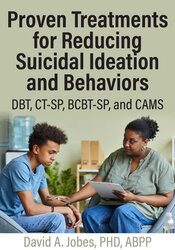
Proven Treatments for Reducing Suicidal Ideation and Behaviors: DBT, CT-SP, BCBT-SP, and CAMS
- Speaker:
- David Jobes, PhD, ABPP
- Duration:
- 2 Hours
- Format:
- Audio and Video
- Copyright:
-
Feb 13, 2024
- Product Code:
- POS059737
- Media Type:
- Digital Seminar

Description
When a client is suicidal, it is essential to offer them proven suicide-specific care. Use of effective treatments can reliably decrease suicide ideation and attempts. In this session, David Jobes, PhD, ABPP, developer of the Collaborative Assessment and Management of Suicidality (CAMS) model, will give you an overview of interventions to treat suicidal risk including DBT, Cognitive Therapy for Suicide Prevention (CT-SP), Brief Cognitive Behavioral Therapy for Suicide Prevention (BCBT-SP), and the Collaborative Assessment and Management of Suicidality (CAMS).
Credit
Speaker
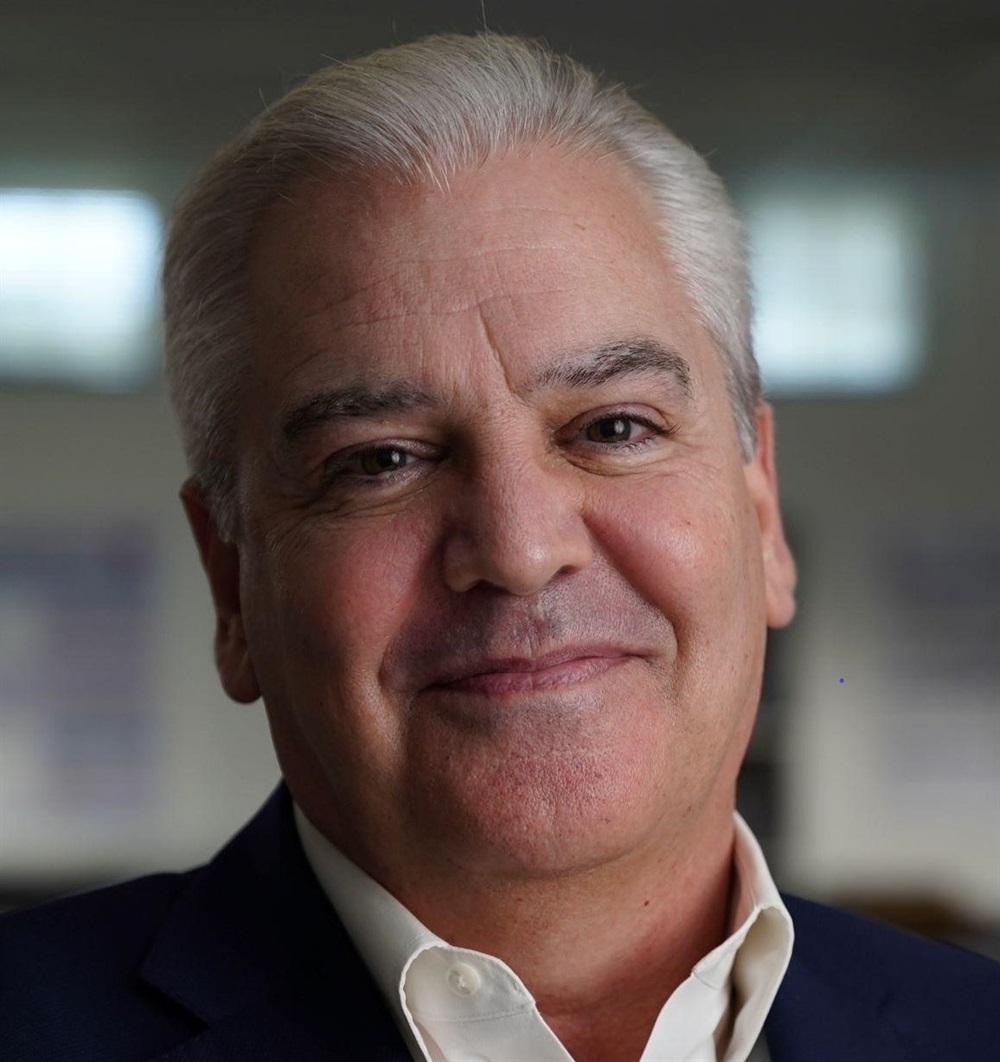
David Jobes, PhD, ABPP Related seminars and products
WASHINGTON PSYCHOLOGICAL CENTER PC
David Jobes, PhD, ABPP, is the developer of the Collaborative Assessment and Management of Suicidality (CAMS) treatment method. He began his career in 1987 in the counseling center of The Catholic University of America, where he developed a suicide risk assessment tool for college students that evolved into an evidence-based treatment, CAMS, recognized by The Joint Commission, Zero Suicide, and the CDC. A 2021 meta-analysis of 30 years of research shows that CAMS is a “well supported” intervention for reducing suicidal ideation per CDC criteria. Dr. Jobes is a professor of psychology and associate director of clinical training at CatholicU. He has published seven books and hundreds of journal articles and book chapters focused on suicide-care and has trained thousands of mental health professionals in the United States and abroad in evidence-based assessment and treatment of suicide risk and the use of CAMS.
Speaker Disclosures:
Financial: Dr. David Jobes maintains a private practice and has employment relationships with The Catholic University of America and Uniformed Services University. He is the President of the Board of Directors for Washington Psychological Center. He receives compensation as a consultant and receives royalties as a published author. Dr. Jobes is a stock owner of CAMS-care, LLC. He receives grants from A Four Pines Fund, The University of Washington, The National Institute of Mental Health, and Patient-Centered Outcomes Research Institute. Dr. Jobes receives a speaking honorarium and recording royalties from Psychotherapy Networker and PESI, Inc. He has no relevant financial relationships with ineligible organizations.
Non-financial: Dr. David Jobes is an Ad hoc reviewer and editor for several peer review journals, for a complete list contact PESI, Inc. He is a fellow of the American Psychological Association and a member of American Foundation for Suicide Prevention (AFSP).
Additional Info
Access for Self-Study (Non-Interactive)Access never expires for this product.
Questions?
Visit our FAQ page at www.pesi.com/faq or contact us at www.pesi.com/info
Objectives
- Identify the 4 components of DBT that effectively reduce suicidal behaviors.
- Assess the “suicidal mode” used in suicide-specific CBT interventions
- Conduct a CAMS-based case conceptualization of a client’s self-identified suicide drivers.
Outline
Safety planning and lethal means safety to stabilize acute suicidality
Dialectical Behavior Therapy (DBT) skills for decreasing suicidal behaviors
Cognitive Therapy for Suicide Prevention (CT-SP) identification and treatment of the “suicidal- mode”
Brief Cognitive Behavioral Therapy for Suicide Prevention (BCBT-SP) - use of relapse prevention to help regulate emotions and increase cognitive flexibility and problem solving
Collaborative Assessment and Management of Suicidality (CAMS) identifies and treats client- defined suicidal drivers
Case examples for each model
Limitations of the research and potential risks
Target Audience
- Addiction Professionals
- Case Managers
- Licensed Clinical/Mental Health Counselors
- Marriage & Family Therapists
- Nurses
- Psychiatrists/physicians
- Psychologists
- Social Workers
Reviews
Satisfaction Guarantee
Your satisfaction is our goal and our guarantee. Concerns should be addressed to: PO Box 1000, Eau Claire, WI 54702-1000 or call 1-800-844-8260.
ADA Needs
We would be happy to accommodate your ADA needs; please call our Customer Service Department for more information at 1-800-844-8260.
PESI Mobile App
Access CE trainings on your phone or tablet through our free mobile app. Choose video or audio-only versions of online courses from the world’s best instructors, and complete your CE requirements anywhere, anytime, at your own pace.




Please wait ...