
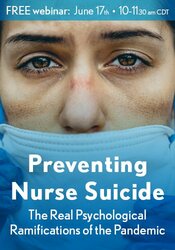
Preventing Nurse Suicide
The Real Psychological Ramifications of the Pandemic
- Speaker:
- Stephanie L. Shafer, DHSc, MSN, PMHNP-BC, ANP-BC
- Duration:
- 1 Hour 23 Minutes
- Format:
- Audio and Video
- Copyright:
-
Jun 17, 2021
- Product Code:
- POS078270
- Media Type:
- Digital Seminar

Description
Nursing has never been for the faint of heart, but the pandemic took our experiences to a whole new level.
This past year, we have been hailed as heroes and along the way have endured much grief, loss and challenge. Fortunately, our work worlds are feeling normalcy returning. But that does not mean that the traumatic events we experienced have eased from our memories. In fact, maybe the difficult moments just keep replaying. For yourself. For your co-workers. You know something must change but don’t know how to get started healing.
The unresolved emotions can feel exhaustive. The burnout and compassion fatigue have felt heavy, leaving many nurses at a point where they feel both emotionally and physically drained. Many of us are searching for answers that go well beyond self-care. If we fail to recognize these feelings, they can lead to depression, anxiety, fatigue, somatic symptoms, and even nurse suicide.
It’s my goal to make sure that this Preventing Nurse Suicide information gets out to as many nurses as possible. I want to be able to start these difficult conversations and contribute to the solutions.
We really need to feel empathy and compassion towards one another, as we all deal with such extreme stressors. If we learn new ways to accept and nurture each other, we can develop a built-in support system on our units and floors. NOW is the time to come together as a family of nurses. I don’t want you to feel alone in this struggle.
As a community across the country, let’s support one another through our shared patient experiences.
Stephanie L. Bunch, RN, MSN, ANP-C, PMHNP-C,
and the PESI HealthCare Team
Credit
Speaker
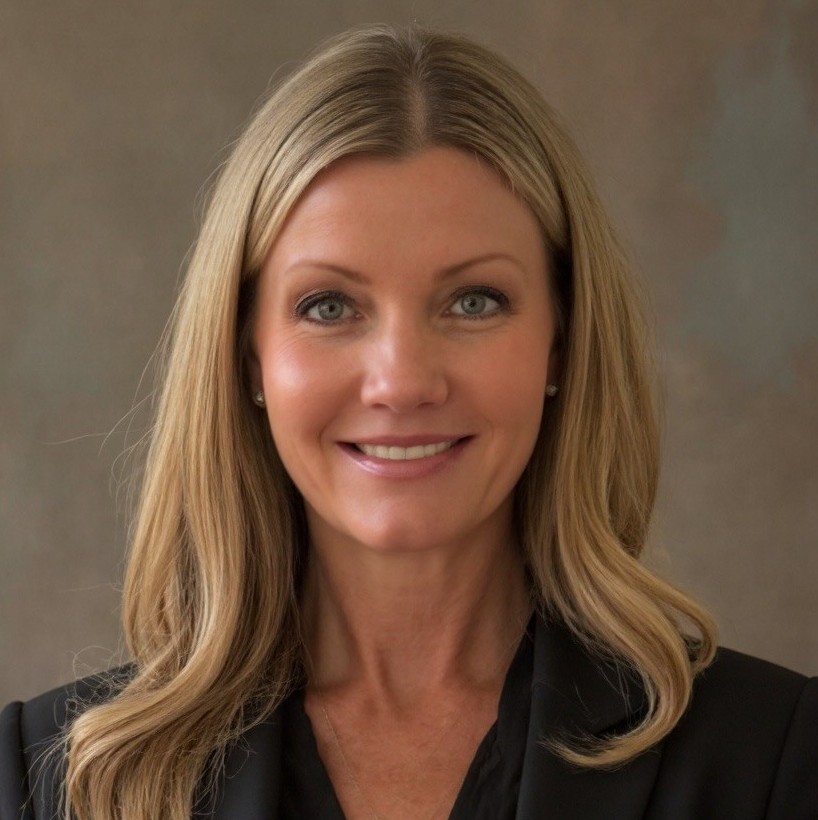
Stephanie L. Shafer, DHSc, MSN, PMHNP-BC, ANP-BC Related seminars and products
Stephanie Shafer, DHSc, MSN, PMHNP-BC, ANP-BC, founded Neurobehavioral Health and Wellness, a private mental health practice in Okemos, Michigan, recognized as the "Best Mental Health Clinic" several years in a row. The practice serves adults, adolescents, and children with psychiatric disorders, including ADHD, bipolar disorder, depression, anxiety, obsessive-compulsive tendencies, schizophrenia, autism spectrum disorder, traumatic brain injury, PTSD, and personality disorders.
Central to her success is a structured model of care built around thorough clinical and background histories, careful identification of psychosocial stressors, and a mechanism-based approach to treatment - a framework that has proven essential to the effective delivery of psychiatric medications within her practice.
Clinically, Dr. Shafer's background spans emergency medicine, primary care, and psychiatry, across settings ranging from a large urban hospital to community-based practices, clinics, and private practice. A transition from primary care to psychiatry followed naturally, driven by a commitment to serving a growing population of underserved patients with psychiatric disorders. The past decade has been devoted to refining her skills in outpatient psychiatry.
She has completed graduate studies at UCLA, followed by a specialized post-master's degree in psychiatric mental health from The Johns Hopkins University in Baltimore, MD. Dual certification as a nurse practitioner and an NEI Master Psychopharmacology certification round out her clinical accomplishments. In demand as a speaker, she regularly shares her expertise with multidisciplinary healthcare audiences nationwide, including resident physicians at Michigan State University.
Speaker Disclosures:
Financial: Stephanie Shafer maintains a private practice and receives a speaking honorarium from Collegium pharmaceuticals. She receives a speaking honorarium and recording royalties from PESI, Inc. All relevant financial relationships with ineligible organizations have been mitigated.
Non-financial: Stephanie Shafer is a member of the American Association of Nurse Practitioners.
Additional Info
Access Period for Live WebcastFor live CE credit, you must watch the live webcast in its entirety at its scheduled time and complete the CE quiz and evaluation within one week. You will have access for 90 days after the program for review.
Questions?
Visit our FAQ page at www.pesi.com/faq or contact us at www.pesi.com/info
Target Audience
- Nurses
- Nurse Practitioners
- Clinical Nurse Specialists
- Nurse Educators
- Other Healthcare Professionals
Outline
Preventing Nurse Suicide: What We Are Learning
- Nationwide statistics vs worldwide
- Lack of statistics - and potential reasons for this
- Statistics regarding mental health history among nurses
Mental Health Concerns Among Nurses: Common Risk Factors
- Men vs Women- 93% of nurses worldwide are women
- The overwhelming need to care for everyone - except yourself
- Home stressors
- Relationship issues
- Drug abuse among family members, spouse, or self
- Strained familial dynamic
- Long and demanding work shifts
- Little recognition by employer and patients
- Workplace drama
- Mental health history- treated or undiagnosed
Burnout/Compassion Fatigue
- Differentiating the two
- Determining the source of the burnout
- How this pandemic has taken burnout to a new level
- Various traumas associated with the pandemic
- How nurses have dealt with these traumas
Nursing as a Culture
- Uniqueness of the overall culture of nursing
- Pre and post COVID - has COVID changed this?
- Understanding the trauma experienced from the pandemic
Solutions for Compassion Fatigue, Burnout, and Depression
- Prioritizing your own health
- Removing the stigma towards mental health
- Empathy for colleagues - and patients
- Use your voice to address workplace concerns
- Strategies to initiate change on your unit
Objectives
-
Analyze the prevalence and statistics associated with suicide and mental health issues among nurses.
-
Demonstrate understanding of compassion fatigue/burnout and their potential ramifications.
-
Determine the traumatic nature of this pandemic and the potential long- and short-term ramifications of repeated exposure.
-
Assess the ways this pandemic has changed how we view the healthcare system and our role as nurses.
-
Apply implementable strategies to overcome burnout and improve quality of life for yourself or at-risk co-workers.
Reviews
Satisfaction Guarantee
Your satisfaction is our goal and our guarantee. Concerns should be addressed to: PO Box 1000, Eau Claire, WI 54702-1000 or call 1-800-844-8260.
ADA Needs
We would be happy to accommodate your ADA needs; please call our Customer Service Department for more information at 1-800-844-8260.
PESI Mobile App
Access CE trainings on your phone or tablet through our free mobile app. Choose video or audio-only versions of online courses from the world’s best instructors, and complete your CE requirements anywhere, anytime, at your own pace.




Please wait ...